
Using Compound Interest to Pay Off Debt Faster
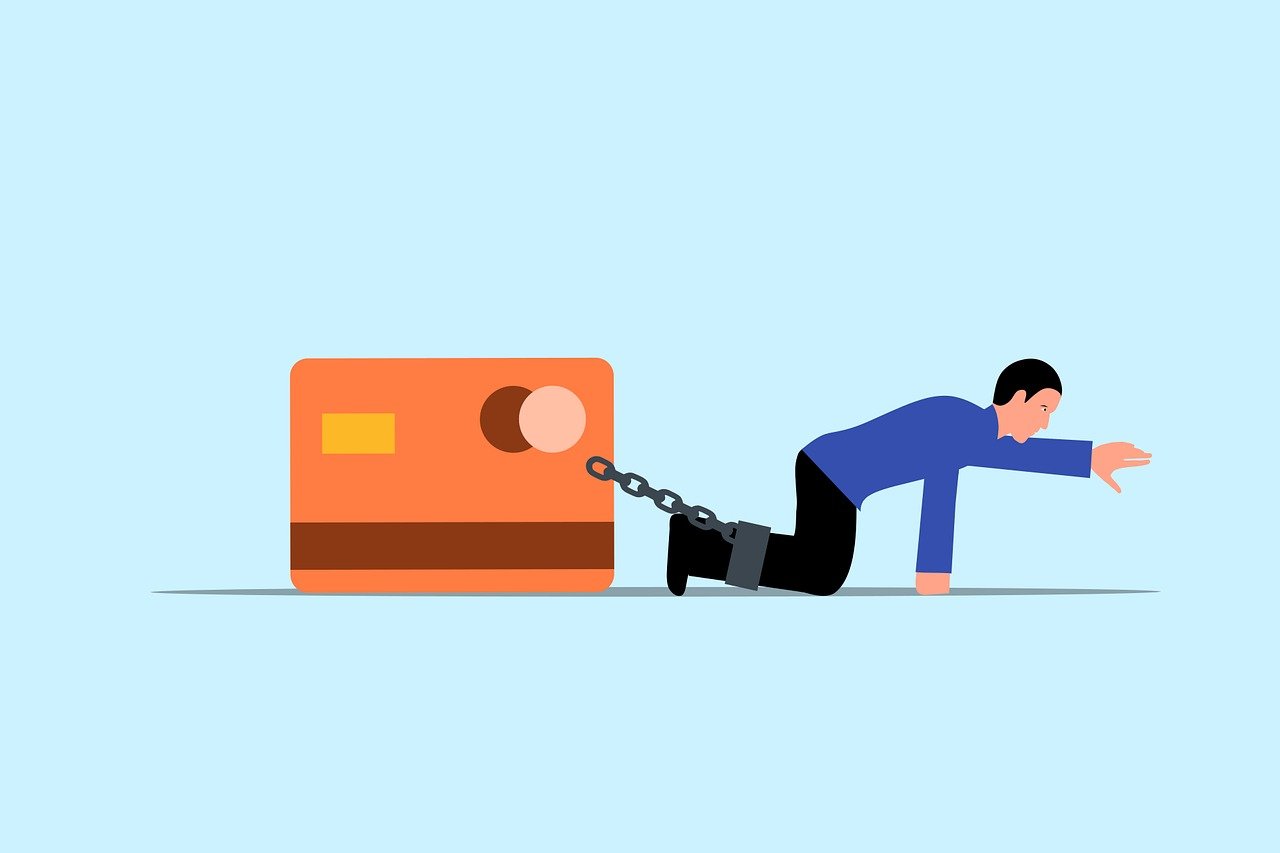
Understanding compound interest is essential to managing debt effectively. Traditionally, people focus on how much they owe, but compound interest can significantly affect repayment strategies. It’s not just about the amount borrowed; the speed at which interest accumulates plays a critical role too. When you borrow money, most likely, your lender charges you interest on the principal and the accumulated interest. The longer you take to pay off that debt, the larger the interest becomes. Consequently, a strategy that favors paying debt off more quickly can be beneficial. By paying more than the minimum amount, you can decrease the time you’re subjected to compounding interest. This approach effectively saves you money in interest payments. For optimal results, allocate funds toward the highest-interest debt first, which can create a significant impact on your financial situation. Take advantage of any unexpected income, like bonuses or tax refunds, to make extra payments. Remember to calculate the new balance frequently so you can visualize your progress, motivating you to continue your repayment journey. Effective management of debt can lead to a more financially secure future, allowing for better financial opportunities and peace of mind.
You can implement the snowball method for hitting your debt much quicker. This approach focuses on paying off the smallest debts first. Even though it might seem counterintuitive from an interest perspective, the psychological benefits are profound. Watching those balances drop can motivate individuals to tackle larger debts. It allows them to build momentum, thereby increasing their confidence in managing finances. This method contrasts with the avalanche approach, which targets debts with the highest interest rate first. With both options, the key is finding the one that keeps you motivated. After clearing a small debt, the extra money normally allocated for that payment can now be redirected to the next debt in line. It’s all about creating a sustainable path toward becoming debt-free. Often as you pay off each debt, the freed-up cash can significantly accelerate debt repayment in the long run. Even minor adjustments, like avoiding unnecessary expenses, allow for increased payments. Every small step counts, and the impact compounds over time, just as interest does. Remember to stay focused on your goal and assess your financial condition regularly for maintaining motivation.
The Power of Interest Rates
Understanding interest rates is vital for anyone looking to pay off debt. High-interest rates can significantly prolong the time it takes to pay off your debts. Therefore, it’s crucial to examine your current debts’ rates closely. Many loans, especially credit cards, come with exorbitant interest rates. This makes it essential to strategize effectively. You might consider consolidating these debts into a lower-interest loan. This can be achieved by transferring balances or refinancing. Doing so often leads to paying less interest over time. Additionally, reducing interest rates on existing debt can greatly decrease overall repayment time. The sooner you address high-interest debts, the more manageable your finances become. If you have multiple loans, focus on the one with the highest rate first. Once it’s eliminated, the savings can contribute towards the next one. Finding financial institutions or offers that provide lower rates can significantly impact your repayment speed. Lastly, be sure to check your credit score. A strong score can qualify you for better rates, thereby accelerating your path to eliminate that debt burden. Use every tool at your disposal to turn the tide in your favor.
Another strategy involves creating a detailed budget. By establishing a comprehensive budget, one can allocate specific amounts toward debt repayments. Make sure to distinguish between necessary expenses and ones that can be reduced or eliminated altogether. Having a clear financial picture allows for more strategic debt repayment. Consider reviewing your subscriptions and habits to determine any areas for savings. Small changes can accumulate over time, directly impacting your ability to pay more toward debts each month. Budgeting helps pinpoint where additional cash can be found, allowing for more aggressive repayment strategies. Keeping track of expenses can also help manage unforeseen expenses that usually derail repayment plans. This kind of financial discipline fosters a responsible attitude towards future financial decisions. It’s essential that this financial awareness sticks with you, even after debt repayments are completed. To aid budgeting, consider using personal finance apps for better tracking and organization. Automate your payments whenever possible to ensure you never miss a due date again. Remember, forming these habits extends beyond debt repayment and leads you toward future financial security.
Compound Interest: A Double-Edged Sword
While understanding how compound interest works in the context of loans is crucial, it’s equally important when considering savings. Any savings should compound positively, acting as a counterbalance to debt. For instance, opening a high-yield savings account can yield significant returns over time. When you deposit money into such accounts, interest is earned on the principal as well as the interest accrued, effectively growing your savings. To pay off debt efficiently, consider taking advantage of that compounding effect instead of solely focusing on loans. Setting aside a portion of earnings into a separate savings account can lend financial security. This also acts as an emergency fund that can prevent accumulating future debt from unforeseen expenses. This plan can bolster overall financial health and provide peace of mind. Avoid viewing savings and debt in isolation; for every dollar saved, you can equate it to reducing potential debt obligations. The principle of compounding interest can make your money work for you, rather than against you. Investing in compound savings could act as a financial buffer that supports you throughout your financial journey.
Implementing regular payment increases can also leverage the power of compound interest. Instead of making the minimum payments, consider gradually increasing your payments over time. This doesn’t have to be a drastic change; even incremental increases can lead to significant savings. If your income changes, allow that to reflect in your repayment strategy. Even adding a small percentage can lead to profound effects over the life of the loan. Each additional dollar paid reduces your overall principal and consequently decreases the interest accrued over the life of that obligation. This streamlined approach to debt management amplifies the impact of your budgeting efforts as well. Even if you can only manage an additional $10 a month, consistently doing so adds up faster than you might think. Track how these adjustments size up against future interest savings, which can be motivating. Use an online calculator to review the foreseeable outcomes and celebrate the milestones. Before long, these strategies will demonstrate their influence on your financial situation. Effective implementation can instill a proactive attitude towards managing all fiscal responsibilities and obligations.
Maintaining Motivation
Finally, maintaining motivation is essential in a debt repayment journey. Staying focused on long-term financial goals often requires celebrating small victories. Each time you pay off a debt, recognize that achievement. It’s vital not to overlook these moments, as they contribute to financial confidence. Consider sharing your goals with friends or family. This support can enhance accountability and encourage steady progress. You may also want to join online communities that focus on debt repayment for shared experiences. Various resources, including forums and blogs, can provide you with tips and motivational stories. Visual tools, like charts or spreadsheets, can illustrate your progress. Seeing how far you’ve come can be uplifting during tough times. Keep in mind that setbacks can happen, and it’s okay to feel discouraged occasionally. What matters most is your response to these situations. Stay committed to your path toward being debt-free, and remind yourself of the benefits that come with such freedom. By managing your debts, improving financial literacy, and fostering positive habits, you’ll navigate through financial challenges efficiently, ensuring long-term benefits that’ll last a lifetime.
This is another paragraph with exactly 190 words…