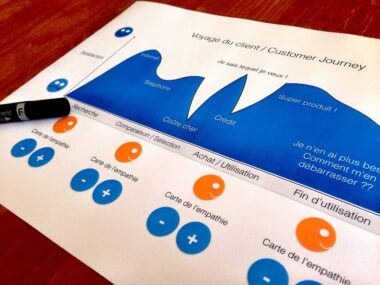

Customer Journey Mapping for Small and Medium Businesses
Customer journey mapping is an essential tool for small and medium businesses looking to understand their customers’ experiences. By visualizing the customer journey, businesses can identify touchpoints and areas for improvement. The mapping process can guide businesses in optimizing their marketing and sales strategies. To begin, businesses should define the customer personas, which represent their target audience segments. Understanding these personas helps tailor marketing messages to resonate with potential customers and address their pain points effectively. Next, identify each step in the customer journey, including awareness, consideration, decision, and post-purchase stages. Each phase should be analyzed to see how customers interact with brands, products, or services. During this process, feedback from real customers is invaluable. Engaging with them through surveys and interviews offers insights into their feelings and emotions at different journey stages. Additionally, mapping the journey facilitates the identification of any friction points that may hinder conversions. Once these pain points are located, businesses can implement actionable solutions to enhance the customer experience, thereby improving customer satisfaction and loyalty. This structured approach ensures small and medium businesses can achieve sustainable growth in competitive markets.
Understanding the importance of customer journey mapping in increasing conversion rates cannot be understated. Effectively leveraging this mapping process helps small and medium businesses to not only attract customers but retain them as well. By focusing on the customer’s perspective, businesses can create a seamless experience that encourages customers to convert at various stages. Visibility into the customer journey enables the identification of specific touchpoints, allowing companies to tailor their approach and provide appropriate and timely interactions. Mobile optimization, for example, is crucial given the increasing reliance on smartphones. Ensuring websites are responsive and easy to navigate can significantly enhance the customer experience, driving higher conversion rates. Furthermore, integrating various marketing channels, like social media, email marketing, and content marketing, creates a cohesive experience that guides customers throughout their journey. Businesses can use journey mapping to emphasize personalized marketing tactics, ensuring customers recognize the brand’s dedication to meeting their needs. Each touchpoint should reflect the brand’s values and communicate effectively with the audience. By aligning the customer journey with business goals, enterprises can cultivate long-lasting relationships that foster loyalty and repeat sales, vital for the success of small and medium businesses over time.
Another significant advantage of customer journey mapping is its ability to enhance operational efficiency. When organizations analyze all customer interactions, it leads to better resource allocation and helps in identifying which areas require more focus, particularly among teams. For small and medium businesses, this can often mean minimizing wasted efforts and costs associated with ineffective marketing strategies. By determining which parts of the journey have the most significant impact on customer satisfaction, businesses can allocate their resources more strategically. Visualizing customer interactions also sheds light on cross-departmental responsibilities, facilitating better collaboration among teams, such as marketing, sales, and customer service. This collaboration fosters a customer-centric approach within the organization, where every team is focused on enhancing the overall experience. Moreover, through customer journey mapping, businesses can implement feedback loops and ongoing assessments, allowing them to continue making improvements over time. Companies that adapt and iterate their journey maps are more likely to capture changes in customer preferences and behaviors. This proactive approach ensures a business remains competitive and relevant, ultimately allowing them to respond effectively to evolving market conditions and customer expectations consistently.
To create an effective customer journey map, small and medium businesses should consider utilizing various tools and techniques. There are several software applications designed specifically for mapping customer journeys that offer templates and customizable options. These tools can simplify the process with visual elements, making it easier for teams to collaborate and analyze customer interactions. Additionally, employing a user-centered approach that incorporates data analytics can significantly improve the quality of insights generated from the map. The right combination of qualitative and quantitative data enables businesses to understand the customer experience from multiple perspectives. Furthermore, journey mapping workshops can be beneficial for teams tasked with the mapping process. These workshops allow stakeholders to collaborate and share insights while brainstorming potential improvements. Encouraging participatory exercises where team members contribute their unique experiences creates a more holistic view of customer interactions. By highlighting specific case studies or examples during workshops, businesses can better contextualize learned insights. Ultimately, small and medium businesses that invest time and resources into creating a customer journey map will reap the benefits through improved relationships with customers and a strengthened brand presence in the marketplace.
The ongoing evaluation of the customer journey is vital for maintaining effectiveness and relevance. As market dynamics and customer preferences evolve, businesses need to regularly revisit their journey maps. Continuous monitoring allows organizations to gauge the success of implemented strategies and identify new areas for improvement. Regular updates and adjustments to the customer journey map help ensure that business strategies remain aligned with customer expectations. Additionally, using customer feedback and data analytics will inform necessary changes within the map and gauge the success of alterations in the approach. For small and medium businesses, taking this ongoing evaluation into account helps safeguard the viability of marketing and sales tactics. Integrating KPIs related to customer experience into business analytics can help assess the performance of strategies aimed at improving satisfaction. These key performance indicators can provide insights into customer retention rates, conversion rates, and overall customer satisfaction. Ultimately, by routinely revising customer journey maps, businesses can better adapt to customer needs and market fluctuations. This adaptability fuels long-term growth, allowing small and medium businesses to thrive amid an ever-evolving competitive landscape.
Creating Customer-Centric Experiences
Creating customer-centric experiences is at the heart of successful customer journey mapping for small and medium businesses. Every interaction with potential and existing customers needs to reflect a focus on their specific preferences and needs. To achieve this, businesses should engage in creating personalized experiences at various touchpoints in the customer journey. Personalization can take many forms, including tailored messaging, product recommendations, and targeted offers. Furthermore, it is crucial to analyze customer data comprehensively to uncover insights that drive effective personalization efforts. Understanding customers’ motivations, behaviors, and interactions with the brand allows businesses to deliver content that resonates strongly with the audience. Implementing feedback mechanisms, such as surveys and reviews, also plays a critical role in capturing additional insights that can guide customer experience enhancements. Leveraging these insights helps businesses craft marketing messages that are relevant and impactful, bridging gaps between customer expectations and organizational offerings. Additionally, ensuring consistency across all channels solidifies the brand image and builds trust with customers. To thrive in a competitive landscape, small and medium businesses must prioritize customer-centric strategies that effectively address individual needs, adapt to market changes, and foster lasting relationships.
Ultimately, customer journey mapping serves as a roadmap guiding small and medium businesses towards improved customer experiences and increased sales. By positioning themselves as customer-centric organizations, businesses can build strong relationships that lead to brand loyalty and sustained growth. Additionally, harnessing the insights gained from customer journey mapping enables them to anticipate customer needs and align their strategies accordingly. This proactive approach allows small and medium businesses to not only react to customer feedback but to also delight customers beyond their expectations. Fostering a culture of ongoing improvements based on journey mapping insights empowers team members to take initiatives aimed at elevating the customer experience. Continuous enhancements, driven by data and customer input, will lead to a dynamic evolution of business strategies while ensuring relevance in a fast-paced market. By recognizing their customers as vital partners in the journey, businesses can create a thriving community centered around their brand values. As customers feel valued and heard, their loyalty deepens, ultimately increasing lifetime value. Small and medium businesses that embrace customer journey mapping will find themselves better equipped to succeed and excel in today’s competitive landscape.
In conclusion, customer journey mapping is not just a useful technique but an essential practice for small and medium businesses aiming to thrive. By providing insights into customer behavior and expectations, businesses can craft tailored strategies that significantly enhance customer experiences. The overall impact of successful journey mapping can transform how businesses interact with their customers, leading to increases in conversions, retention, and satisfaction. Regular evaluation and adjustment of journey maps ensure ongoing alignment with customer needs and market trends. Through this ongoing process, small and medium businesses can establish competitive advantages and foster meaningful relationships with customers that endure over time. Prioritizing the customer’s viewpoint allows businesses to develop a deeper understanding of the market and the unique challenges faced by their audience. By investing time and resources in customer journey mapping, businesses signal their commitment to understanding and addressing customer needs effectively. This, in turn, cultivates a loyal customer base willing to advocate for the brand. As customer expectations continue to evolve, mastering this practice is vital for sustained success in an ever-changing marketplace. Small and medium businesses that commit to this practice will be well-positioned for long-term growth.