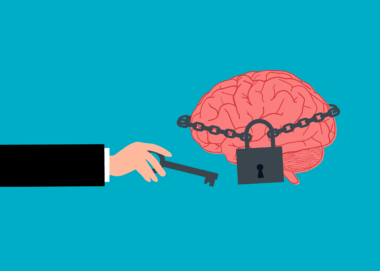

Emotional Intelligence in Wealth Management
Emotional Intelligence (EI) is a crucial yet often overlooked aspect of wealth management. Understanding emotions helps create a resilient mindset when approaching financial decisions. It encompasses self-awareness, self-regulation, empathy, and social skills. Investors with high EI can better manage stress, make rational choices, and avoid impulsive decisions that may harm long-term financial stability. Moreover, they cultivate more profound relationships with advisors and clients, enhancing trust and overall collaboration. These individuals can navigate market fluctuations and economic downturns with greater confidence, which is essential in today’s volatile financial landscape. By leveraging EI, wealth managers can better identify clients’ emotional triggers to develop customized strategies tailored to individual needs. Additionally, the awareness of behavioral biases can further refine investment approaches, leading to improved performance. Overall, maximizing emotional intelligence is indispensable for both investors and advisors in crafting successful wealth management strategies. Therefore, integrating EI into financial practices could significantly transform the way wealth is perceived and managed. It not only involves parsing numbers but also understanding the emotional landscape that drives decision-making processes in wealth management.
Building emotional intelligence begins with self-awareness, which helps individuals recognize their feelings. An enhanced understanding of one’s emotions paves the way for better financial decision-making. By assessing how emotions influence spending and investing habits, one can develop strategies to counteract irrational impulses. Self-regulation is equally vital as it helps prevent impulsive actions that may jeopardize financial wellbeing. Setting clear financial goals allows individuals to align their emotional states with their financial objectives. Meanwhile, cultivating empathy—an essential component of emotional intelligence—enhances interpersonal relationships. Wealth managers benefit when they genuinely understand clients’ emotions and motivations, leading to more tailored and impactful advice. Active listening, an essential practice for enhancing empathy, ensures a deeper comprehension of clients’ needs and concerns. Furthermore, social skills play a vital role in establishing rapport with stakeholders in financial discussions. By refining these skills, wealth managers can effectively communicate complex financial concepts, making them more accessible to clients. The combination of these emotional intelligence components ultimately contributes to a more holistic approach to wealth management and enhances overall outcomes.
The Role of Empathy in Financial Advisory
Empathy in financial advisory settings shapes the navigational path for clients. Wealth managers who embody empathy cultivate stronger connections with their clients, fostering trust and confidence. This trust leads to a more open dialogue about financial goals, concerns, and aspirations. As financial decisions often come intertwined with personal values and emotional ties, empathetic advisors can effectively address underlying fears and uncertainties clients may harbor. Moreover, understanding clients’ emotional reactions to financial situations enables wealth managers to devise support strategies, preserving their mental well-being. Establishing a foundation of empathy can ultimately result in a more supportive and beneficial client-advisor relationship. Furthermore, this empathetic insight aids in identifying specific objectives that align with clients’ emotional drivers. A thorough understanding of these elements allows wealth managers to devise strategies that resonate deeply with clients’ aspirations. Building this empathetic foundation boosts loyalty and contributes to higher client retention rates. In essence, empathy enhances the quality of service provided, leading to improved satisfaction and overall success in ensuring financial objectives are met.
Wealth managers can employ various techniques to enhance emotional intelligence, starting with continuous self-reflection. Engaging in regular self-assessment can reveal patterns in emotional responses during financial discussions. Additionally, receiving feedback from clients and colleagues provides external perspectives that can drive growth and improvement. Practicing mindfulness is another effective way for wealth managers to enhance emotional intelligence, focusing on the present rather than dwelling on past mistakes or future uncertainties. This practice promotes a clearer mindset, enabling more rational decision-making. Furthermore, investing time in networking and building relationships outside of the traditional advisory context increases one’s emotional range. Participating in workshops and training focused on emotional intelligence can also hone these essential skills. Collaborating with others from diverse backgrounds enriches understanding and sharpens emotional insights. Ultimately, cultivating emotional intelligence is vital for wealth managers seeking to thrive in their profession. By committing to personal growth, they build skills that directly impact their ability to serve clients effectively, fostering long-lasting relationships while navigating the complexities of wealth management.
Decision-Making and Emotional Intelligence
Emotional intelligence significantly influences how decisions are made in wealth management environments. Rational decision-making processes can often be clouded by overwhelming emotions such as fear, greed, or anxiety. Wealth managers trained in emotional intelligence can navigate these turbulent waters more effectively than their peers. They recognize the moments when emotions may compromise their judgment and can take corrective action to regain focus. Furthermore, developing emotional intelligence fosters resilience—an essential quality for decision-making amidst market uncertainty. Those equipped with resilient emotional frameworks are more adept at enduring economic fluctuations, keeping them on track with strategic investments. Accountability is paramount in decision-making, and emotional intelligence instills a sense of responsibility for outcomes—both favorable and unfavorable. Understanding how emotions affect client behavior and reactions also plays a role in crafting appropriate responses in challenging situations. Ultimately, integrating emotional intelligence into decision-making is not just advantageous; it’s essential. Wealth management professionals adept in this area consistently develop comprehensive strategies that account for both quantitative and qualitative aspects of wealth building.
Financial literacy must intertwine with emotional intelligence in the realm of wealth management. An individual may understand numbers and investment principles but struggle to make sound decisions in the presence of stress or emotional turmoil. Therefore, educational initiatives that promote both financial literacy and emotional intelligence can lead to better wealth management outcomes. Programs designed to enhance both areas can guide individuals to navigate personal financial landscapes more confidently. Workshops, webinars, and courses stand as excellent pathways for increasing competence in both domains. Financial advisors should not only teach concepts and techniques but also foster environments where emotional understanding is nurtured. Advising clients on developing personal coping mechanisms for handling market volatility can significantly impact investment success over time. Financial managers can incorporate discussions about behavior and emotions into their regular meetings with clients. Addressing the emotional side of finances can pave the way for more effective management strategies and decisions. Consequently, marrying financial literacy with emotional intelligence creates a powerful synergy that drives optimal financial outcomes for clients and wealth managers alike.
Conclusion: Enhancing Wealth Management through EI
In conclusion, emotional intelligence emerges as a cornerstone of effective wealth management practices. By integrating self-awareness, empathy, and social skills, wealth managers can vastly enhance their service delivery and create meaningful client relationships. A deeper understanding of emotional dynamics in financial situations leads to more tailored advisory approaches. Wealth psychology plays a pivotal role in financial decision-making, emphasizing that emotions are integral to investing and wealth management. Consequently, both advisors and clients benefit from honing their emotional intelligence skills. This holistic view embraces the intricacies of human behavior as it relates to finances. Businesses operating in the wealth management sphere can thrive by prioritizing emotional intelligence training for financial professionals. As markets continue to evolve, the role of emotional intelligence in navigating challenges cannot be overstated. Engaging with clients through the lens of emotional understanding fosters a collaborative atmosphere conducive to achieving financial goals. As wealth management strategies become increasingly sophisticated, emotional intelligence will distinguish successful advisors from their counterparts. By recognizing the profound impact of emotions on financial success, wealth management professionals can reshape their approach, ensuring clients receive holistic, empathetic service.