
The Impact of Personality Types on Project Team Collaboration
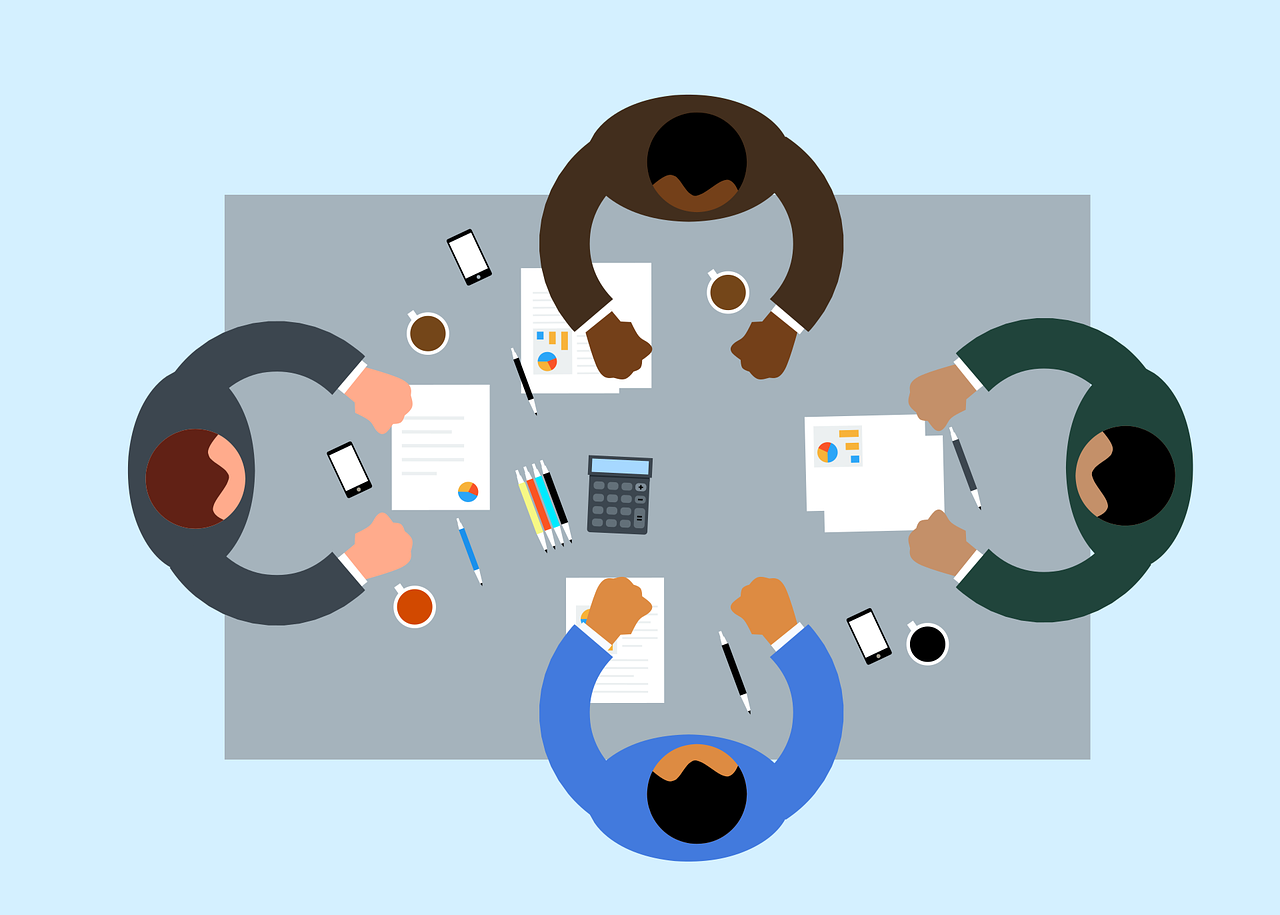
Understanding how personality types influence project team collaboration is crucial for effectiveness. Team dynamics play a significant role in the success of a project. Different personality types bring unique strengths and challenges to the table. For example, some team members may exhibit traits of being organized and detail-oriented, while others might be more creative and spontaneous. Recognizing these differences can help in assigning roles that leverage each member’s strengths and mitigate challenges. Team members who understand each other’s personalities can communicate more effectively. This leads to better collaboration and problem-solving. Furthermore, embracing diverse personality types fosters innovation. At times, conflicts may arise due to personality clashes. It’s essential to have strategies in place for conflict resolution. Tools like personality assessments can help identify different personality types within the team. Effective use of personality insights can boost morale and productivity. Creating an environment that values the diverse contributions of each personality type can lead to greater success. The end goal is to cultivate a harmonious team culture where every member feels valued and engaged. Such an environment is essential for achieving project objectives and fostering growth within the team.
Another vital aspect of project team collaboration involves leveraging the strengths of various personality types. Team members often fall into specific roles, influenced by their personalities. For instance, extroverts may take charge of communication, while introverts focus on in-depth analysis. Recognizing these roles can enhance team effectiveness in assignments. In many project teams, leadership styles vary according to personality traits. A project manager with a supportive personality may encourage participation from all team members. Alternatively, a leader with a results-oriented approach might push for productivity. Understanding these tendencies helps in aligning project objectives with individual capabilities. Additionally, teams should periodically evaluate dynamics to ensure alignment. Regular check-ins maximize the team’s potential and adapt strategies as required. Emphasizing collaboration requires fostering mutual respect among team members. Each personality type has its value, and leveraging this creates a balanced approach to challenges. Facilitating open discussions can help resolve misunderstandings. The importance of active listening cannot be overstated. Encouraging feedback among team members aids in overcoming obstacles. Ultimately, achieving cohesion among diverse personality types leads to innovative solutions that benefit project outcomes significantly.
Strategies for Enhancing Collaboration
Implementing specific strategies to enhance collaboration can significantly improve project outcomes. One effective approach is conducting personality assessments among team members. Assessments such as the Myers-Briggs Type Indicator (MBTI) can provide insights into personality traits and preferences. This understanding fosters better communication and minimizes potential misunderstandings. Another effective strategy involves arranging regular team-building activities. These activities should be designed to encourage interaction among members of all personality types. Creating a comfortable environment promotes openness, which is vital for honest communication. A transparent approach to discussing roles, expectations, and challenges is also essential. Hold kickoff meetings that clearly outline project objectives and individual responsibilities. Regular feedback loops also contribute positively. Encourage team members to offer constructive feedback during meetings. By creating a culture of feedback, team members become more receptive to concerns and suggestions. Additionally, utilizing digital tools can facilitate seamless communication. Tools like Slack or Trello can help keep everyone on the same page. Pay special attention to each personality type’s communication preferences to ensure inclusiveness. Adapting to different styles of communication will lead to strengthened relationships within the team.
Moreover, conflict resolution strategies are essential for navigating the challenges that arise from differing personality types. Not all interactions will be smooth, and disagreements can occur. Therefore, establishing a clear conflict resolution protocol within the project is vital. First, encourage open dialogue about issues as they arise. This ensures that concerns are addressed promptly before they escalate. Utilize mediation techniques to guide discussions toward resolution. This might involve having a neutral party facilitate a conversation between conflicting individuals. Emphasizing empathy can also help both parties understand each other’s perspectives. Further, provide training in interpersonal skills that focus on communication. Team workshops centered on conflict resolution can foster a deeper understanding of individual personality traits. Educating members about their own personalities creates awareness and encourages cooperation. Additionally, implementing regular team retrospectives can be valuable. These sessions allow teams to reflect on challenges experienced during the project lifecycle, including personality-related conflicts. Each member can share their experiences and insights, cultivating trust. As a result, this leads to more effective collaboration in future endeavors. The goal is to create an environment where constructive conflict drives innovation rather than division.
Measuring Team Effectiveness
To ensure continuous improvement in project teams, measuring effectiveness is essential. This involves assessing how well the diverse personality types cooperate and contribute to goals. One method is to use performance metrics that are specific to collaboration. Team feedback surveys offer insights into how team members perceive collaboration among different personality types. Utilizing tools like 360-degree feedback can provide a comprehensive view of team dynamics. Regular performance reviews should incorporate collaboration metrics, ensuring that teamwork is accounted for. Gathering qualitative feedback through interviews or focus groups can illuminate underlying issues. For instance, team members might express concerns about how their personalities clash during project tasks. Analyzing results helps identify areas needing improvement. If certain personality combinations tend to conflict, adjustments can be made to team composition or roles. Moreover, monitor team morale throughout the project. Low morale may indicate potential issues with team dynamics that need addressing. Finally, celebrate team achievements regardless of the personalities involved. Acknowledging successes can boost motivation and create a positive atmosphere. Such recognition fosters a robust sense of unity and motivation, bolstering long-term project collaboration. Empowering teams while acknowledging their unique personalities drives better overall results.
Overall, understanding the impact of personality types on project team collaboration enhances teamwork and productivity. By recognizing how personality influences behavior, leaders can construct balanced teams. Additionally, adopting focused strategies unlocks potential while minimizing friction. Awareness of personality dynamics fosters better communication frameworks. Ultimately, successful project management relies on leveraging diversity for innovative solutions. Different personality types contribute to creative problem-solving through varied perspectives. Leaders who appreciate this inherent value create robust, adaptable teams. The team-building process should prioritize accommodating diverse traits while encouraging collaboration. Establishing a culture of respect and understanding maximizes contributions from all members. Regular evaluations and adjustments are necessary to maintain an effective team environment. Strive for ongoing personal development workshops tailored to personality growth. Each member should commit to fostering team collaboration, regardless of differences. Training initiatives can include conflict resolution and effective communication. Furthermore, aligning team objectives with member personalities promotes engagement and investment in project outcomes. Celebrating individuality will ultimately cultivate a nurturing project environment. When individuals feel included, they are much more likely to contribute passionately to the success of a project. Thus, integrating personality insights into team management is a potent strategy for achieving project milestones.
In conclusion, recognizing the role of personality types in project team collaboration significantly enhances project dynamics. Both leaders and team members benefit from increased awareness of each other’s traits. As personalities influence interactions, developing customized strategies can improve collaboration outcomes. An adaptive leadership approach, based on understanding team dynamics, fosters a robust environment conducive to collaboration. Sharing personality insights encourages transparency while building trust among team members. Ultimately, investing time in personality awareness initiatives pays dividends for project success. By nurturing a culture that celebrates diverse contributions, teams innovate together more effectively. Continuous learning about personality types equips team members with valuable tools for navigating challenges. In turn, this enhances team synergy and leads to more successful project completions. Furthermore, future projects that emphasize personality-aware strategies are likely to yield higher levels of satisfaction. Such an environment not only focuses on meeting deadlines but facilitates personal growth among individuals. When project teams embrace diversity, the results often exceed initial expectations. The emphasis should always be on maximizing each member’s potential through appreciation of their individuality. Therefore, fostering such an inclusive project culture can drive substantial performance gains across various teams and enhance overall productivity.
Call to Action
To conclude, project managers and teams should implement the discussed strategies regarding personality types. Start by integrating personality assessments into the team-building process to facilitate collaboration. Organizing workshops focused on personality awareness can lead to more effective communication. Encourage ongoing team-building activities that strengthen connections among diverse personality types. Prioritizing transparency, open communication, and respect will drive project success. Stay committed to monitoring team dynamics and measuring effectiveness to adapt strategies continually. As a result, you help ensure that all members contribute positively to the project. Foster an environment where everyone feels valued and part of the process, enabling synergy in teams. This not only enhances productivity but also leads to innovative solutions. Creating an inclusive environment requires effort, patience, and ongoing learning. Embrace the diversity of your team’s personality types to unlock their full potential. Being aware of differences allows for better conflict resolution and improved collaboration. By implementing these practices, project managers will witness enhanced collaboration and overall satisfaction within their teams. Let these insights reshape your project management approach, ensuring success and driving meaningful achievement. Start today, leveraging personality insights to transform your team’s collaborative efforts.