
Wearable Technology and Enhancing On-the-Go Business Communication
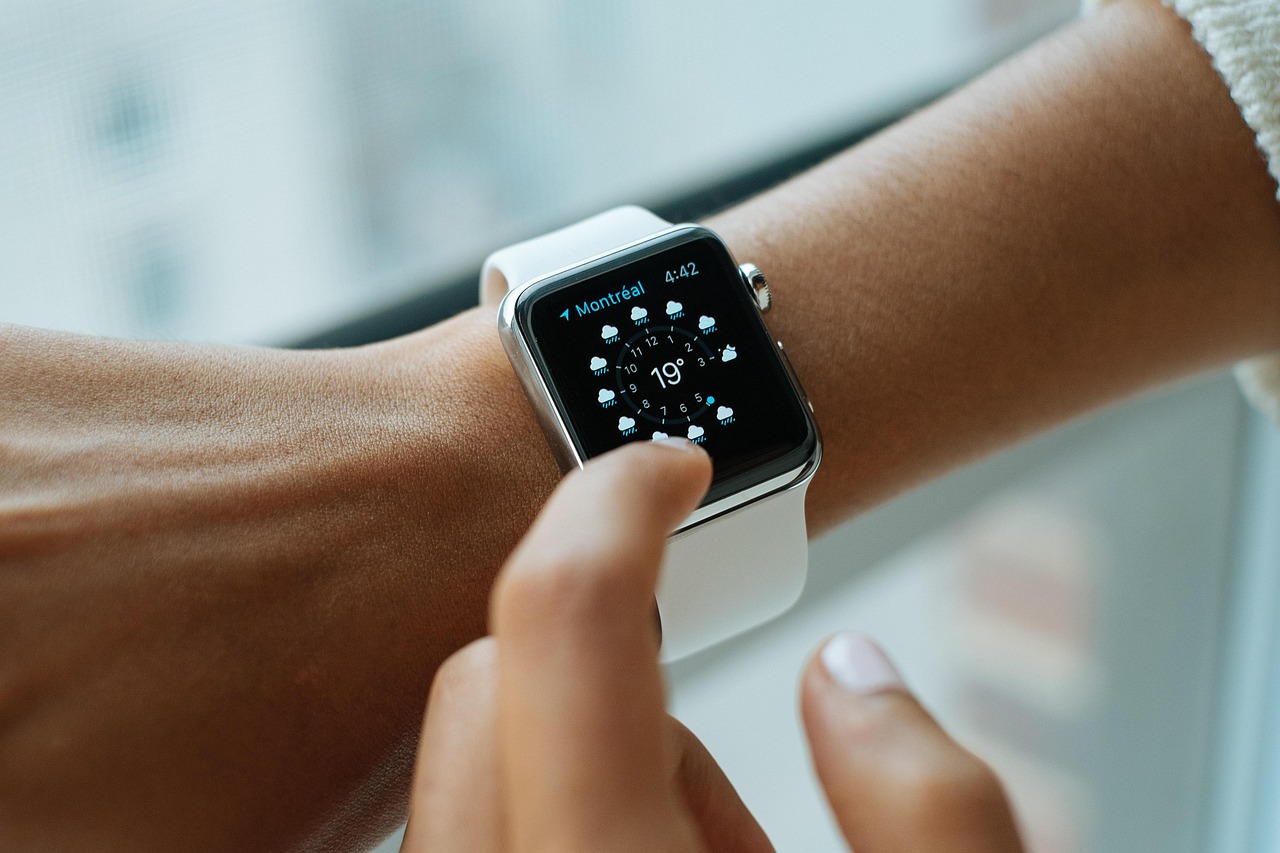
In today’s fast-paced business environment, communication technology trends are continuously evolving. Among the most significant advancements is the rise of wearable technology. This innovation enables professionals to stay connected and communicate efficiently while on the go. Wearables such as smartwatches and fitness bands have transformed communication by offering instant access to notifications, emails, and messages without needing traditional devices like smartphones or laptops. Businesses that adopt these technologies enjoy improved productivity and enhanced communication channels. Wearable devices can also be integrated with various applications, making it easier for employees to manage their time and tasks. For example, apps can provide reminders, schedule meetings, and even track deadlines seamlessly. Companies can foster collaboration among team members, regardless of location, using these devices. This integration leads to a more flexible work environment, which is particularly advantageous for remote teams. One key feature of these wearables is their hands-free capability, allowing users to multitask effectively. Overall, wearable technology presents an opportunity for businesses to enhance communication, improve efficiency, and adapt to the needs of a modern workforce in an increasingly mobile world.
The growing significance of wearable technology in the workplace highlights the need for businesses to embrace these innovations proactively. With the global market for wearables expected to expand substantially, organizations should invest in devices that facilitate better communication. This investment includes purchasing smart devices that offer security features and software that allows for smooth connectivity to different platforms. Furthermore, as these devices become more prevalent, companies must also consider training employees to leverage this technology effectively. This training can ensure team members are fully aware of the available features and how to use them to enhance communication in their daily work. Additionally, employers should clearly communicate their expectations regarding device usage, ensuring employees use wearables productively rather than as distractions. This balance can significantly impact workplace dynamics and team efficiency. By developing a comprehensive strategy for wearables, businesses can maximize the benefits of advanced technology while addressing any potential challenges associated with their implementation. Overall, fostering a culture that embraces wearable communication solutions can lead to improved collaboration and increased team cohesion across various departments.
The Impact of Real-Time Communication
One of the most significant advantages of wearable technology is the ability to engage in real-time communication. With notifications and alerts readily available on wearable devices, business professionals can respond to emails, messages, and calls almost instantly. This immediacy fosters a sense of urgency and allows teams to collaborate more fluidly without unnecessary delays. Furthermore, real-time communication can significantly enhance decision-making processes, enabling swift responses to any issues that may arise. In today’s business landscape, where time is of the essence, leveraging wearable technology can eliminate traditional barriers to communication. Professionals no longer need to stop and retrieve their mobile devices, compromising their workflow. Instead, crucial information is at their fingertips, allowing them to stay engaged and informed during meetings or while attending various work-related events. Additionally, being connected through wearable devices encourages a more agile work atmosphere, where team members can multitask and responsively interact with one another. As organizations continue to adapt to this dynamic workplace, the significance of real-time communication will only grow, making wearables a vital component of modern business practices.
Moreover, wearable technology enables data-driven communication strategies that can drastically improve business operations. These devices often gather data related to usage patterns, which can offer insights into employee behavior and communication preferences. By analyzing this data, organizations can refine their communication approaches, tailoring it to fit the needs of their team members. For instance, if data indicates that employees prefer visual alerts over auditory ones, companies can adjust the settings accordingly, leading to a more personalized communication experience. Furthermore, this data analysis can help identify communication bottlenecks and inefficiencies within teams. By addressing these issues, businesses can foster a more cohesive and productive work environment. Wearable devices are also designed to be user-friendly, encouraging even those resistant to technological change to adopt them. Integrating these insights into everyday operations allows for smoother communication, ultimately leading to better performance outcomes and higher job satisfaction. In essence, the data capabilities of wearable technology provide businesses with meaningful information that can significantly enhance their overall communication strategies and improve team dynamics throughout the organization.
Challenges and Considerations in Implementation
While the benefits of wearable technology in enhancing business communication are clear, organizations face challenges in implementing these solutions. Privacy and security concerns are paramount, as wearables can collect sensitive data about employees and company operations. Businesses must establish clear policies governing data management and employee privacy to alleviate these concerns. Additionally, employers should ensure that wearable devices used for work remain secure, protecting against data breaches and unauthorized access. Furthermore, employee buy-in is essential for successful implementation. Organizations may encounter resistance from team members who are unfamiliar with wearable technology or perceive it as intrusive. Therefore, providing comprehensive training and emphasizing the benefits can help facilitate smoother adoption. Another consideration is the potential for wearables to become distractions. Companies should encourage responsible use while outlining smart guidelines for when and how to engage with these devices during work hours. Balancing the advantages of wearables with these challenges is crucial for organizations looking to enhance their business communication strategies through this innovative technology.
In addition to addressing challenges, companies can maximize the advantages of wearable technology by fostering a supportive culture around its use. This culture will likely include promoting open discussions about wearable technology benefits and challenges. Encouraging team members to share their experiences with wearables can build trust among employees and mitigate any concerns they may have. Furthermore, organizations should consider establishing a feedback mechanism where employees can communicate their thoughts on using wearables for business tasks. This input can be invaluable in refining the devices and applications used. Additionally, employers can help employees find the right wearables that suit their needs and preferences. Providing access to multiple options allows individuals to select products that enhance their productivity rather than inhibit it. By creating an environment attentive to employee feedback and choices, organizations can foster a more adaptive and inclusive atmosphere that encourages innovation in communication. As wearable technology continues to evolve, maintaining a flexible approach will help businesses achieve the best outcomes regarding efficiency, productivity, and communication efficacy.
The Future of Wearable Technology in Business
Looking ahead, the future of wearable technology in business communication appears promising. As advancements in technology continue to unfold, we can expect to see innovations that enhance wearables’ functionality, making them even more integral for professionals. One exciting possibility is the integration of artificial intelligence (AI) into wearable devices. This development could lead to smarter systems that anticipate user needs, providing timely information and suggestions tailored to individual preferences. Additionally, improvements in battery life and connectivity capabilities will further enhance these devices’ feasibility, making them indispensable in various business contexts. We may also see the emergence of augmented reality (AR) integrated with wearables, which can provide immersive communication experiences. For instance, a professional attending an off-site meeting could use AR glasses to view shared documents and presentations hands-free while engaging in discussions. Such advancements will likely redefine the nature of business communication, promoting greater collaboration, engagement, and productivity. Consequently, organizations need to stay informed about the evolving landscape to leverage these innovations effectively and remain competitive in the ever-changing world of business communication.
As wearable technology continues to integrate seamlessly into business practices, adapting to these changes will be crucial for long-term success. Companies should monitor the latest developments in wearable technology and remain proactive in embracing the tools that can enhance overall productivity and communication. By establishing a strong framework around the implementation of wearables, businesses can cultivate a culture that values ongoing learning and adaptation. This approach will empower employees to make the most of their tools and elevate their communication and collaboration capabilities. Furthermore, investing in wearables that conform to ergonomic and employee wellness standards can promote a healthier work environment. A focus on well-being leads to improved morale and productivity across teams. Overall, the future of communication technology trends shows great potential for wearables to redefine how businesses communicate on the go. By positioning themselves strategically within this trend, organizations can harness the power of wearables to enhance team collaboration, streamline processes, and bolster their competitive edge as they move forward into this exciting technological landscape.