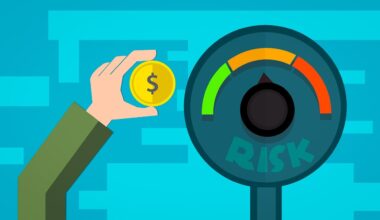

Evaluating the Effectiveness of Consumer Credit Counseling Programs
Consumer credit counseling programs have emerged as pivotal resources for individuals struggling with debt. These programs aim to educate consumers about managing their finances, debt consolidation, and budgeting strategies. By participating in these services, consumers can receive guidance from certified counselors who help create tailored financial plans. An essential aspect of evaluating their effectiveness is the assessment of how well these programs reduce debt levels. Research indicates that participants typically experience a significant decrease in total debts after program completion. Furthermore, many organizations also monitor the attendee’s credit score improvements post-participation. A crucial measure of success is retaining the learned financial skills beyond the program’s duration. Many participants report feeling more empowered in handling their finances post-counseling. However, limitations remain in obtaining data across a broad spectrum of counseling services, which complicates the determination of their overall effectiveness. The need for standardized metrics is vital in this growing field, and consistent data collection is critical for further enhancements to these services. Simultaneously, understanding participant perspectives may yield insights that fine-tune program structures, ultimately enhancing consumer confidence in managing debt.
The landscape of consumer credit counseling is evolving, presenting unique opportunities for improvement. Each counseling agency may operate under different methodologies and frameworks tailored to specific consumer needs. It is paramount to conduct comprehensive evaluations that delve into the differing strategies employed by these agencies. Understanding what works best for specific consumer demographics can inform improvements. For instance, some agencies emphasize online educational modules, while others may offer in-person workshops. Evaluations can correlate participant outcomes with these diverse methodologies by observing trends over time. Surveys and interviews are useful tools for assessing client satisfaction and perceived usefulness of the services offered. Understanding client perspectives helps adapt programs to better address the needs of future participants. Additionally, crossover studies can highlight distinct approaches that yield successful repayment rates and financial management. Furthermore, the financial literacy components taught in these programs greatly impact consumer behavior. By gauging participants’ confidence levels before and after counseling sessions, agencies can adjust curricula to empower future participants, thus practical barriers, realizing budgetary constraints, awareness of counseling benefits, and even emotional factors that could impact decision-making. Evaluating effectiveness transcends numerical metrics, growing intrinsically tied with client experiences.
As part of the evaluation process for consumer credit counseling programs, assessing program accessibility is essential. A program’s ability to reach diverse financial backgrounds can significantly influence its overall effectiveness. Many consumers who might benefit from such services may lack awareness of their existence or fear associated with seeking help. Marketing strategies play a critical role in outreach; consequently, evaluating how these services are promoted could inform better practices. Utilizing various channels, including social media campaigns, community partnerships, and educational workshops, can enhance accessibility. Investigating which outreach methods lead to increased participation levels can help provide insight into future marketing endeavors. Additionally, analyzing participant demographics can shed light on gaps that need to be addressed and develop targeted outreach strategies for underserved communities. Availability of translation services, financial literacy resources, and remote counseling options also significantly enhance accessibility. Encouragingly, having more diverse participating demographics not only helps improve program delivery but also keeps counselors informed about broader financial challenges affecting different communities. Ultimately, effectively evaluating these factors ensures that the counseling programs can evolve to meet the needs of all consumers, supporting more successful debt management outcomes across various demographics.
Tracking Long-Term Outcomes Following Counseling
Beyond immediate financial improvements, tracking long-term outcomes is fundamental in evaluating the efficacy of consumer credit counseling. Debt reduction is often a short-term goal, but lasting behavioral changes are necessary for long-term success. Research has indicated that many participants initially stabilize financially but eventually struggle without consistent follow-up and reinforcement of learned skills. Continuous engagement is thus critical in maintaining financial wellness. Follow-up counseling sessions and refresher courses can provide the necessary support for clients to stay on the right path. A systematic evaluation of post-counseling behavior can reveal how counseled consumers cope with unexpected financial difficulties. Analyzing the data on repayment rates follows after program completion also highlights broader economic trends influencing consumer behavior. Finally, tracking data analytics concerning clients’ continued engagement with financial literacy tools reveals insights into how effectively these programs instill long-term financial habits. With technology advancements, such as mobile applications promoting budgeting and spending tracking, many agencies are exploring ways to integrate these tools in their offerings for enhanced engagement and accountability, leading to sustainable positive financial behaviors over time.
An important yet often overlooked aspect of consumer credit counseling effectiveness is the psychological impact it has on participants. Engaging in such programs can facilitate essential emotional support, reducing feelings of shame and isolation tied to financial struggles. The transformation of client attitudes toward credit and debt management can be profound. Counselors frequently serve not only as financial educators but also emotional support. Success stories of individuals who have overcome severe financial distress thanks to counseling demonstrate the program’s importance. Participants often report increased confidence in discussing financial issues post-counseling, which significantly impacts their approach to managing debts. Evaluating the emotional well-being of clients through assessments allows organizations to gauge the psychological factors contributing to effective management. Working closely with mental health professionals within these programs can create a more holistic approach. Moreover, exploring relationships between self-efficacy, motivation, and outcomes strengthens understanding of what drives successful experiences. Declining consumer credit scores may not solely depict fiscal failure; rather, they may indicate a deeper struggle with emotional health, emphasizing the necessity for comprehensive solutions that address both financial and emotional stability in the counseling process.
Developing Comprehensive Resource Networks
Creating comprehensive resource networks for consumer credit counseling is vital to enhancing effectiveness. Effective counseling programs often collaborate with other community organizations, lending resources and information sharing to provide greater support for participants. Strengthening relationships with local financial institutions, housing assistance programs, and employment services can create a more robust support system for clients. A collaborative effort can distribute resources more efficiently and provide holistic services that integrate financial advice with career counseling, thus addressing underlying issues that contribute to poor credit management. Establishing connections with local non-profit organizations can also provide financial literacy classes, helping clients build essential skills to empower them on their financial journey. Workshops aimed at improving budgeting techniques, understanding credit scores, and managing debt are essential additions that benefit participants. Moreover, these networked services can offer more personalized solutions through referrals, ultimately improving client success rates in both short-term and long-term financial management. Evaluating how these resource networks impact participation levels, client satisfaction, and overall outcomes will provide invaluable insights for continuous improvement, ensuring that each agency maximizes services tailored to client needs.
Finally, the continuous evaluation of consumer credit counseling programs is vital to their long-term success and alignment with changing consumer dynamics. As the financial landscape evolves, these programs must adapt to meet new challenges and opportunities. Exploring fintech innovations, such as consumer-oriented budgeting apps, may inform program enhancements and more relevant educational materials. Analyzing competing financial counseling programs and their unique offerings can provide insights into best practices that might be adopted. Ultimately, fostering a culture of continuous improvement within counseling agencies is essential. Regular assessment not only keeps programs aligned with consumer needs but ensures that these services remain effective. To maintain momentum, agencies should engage stakeholders regularly, including consumers, counselors, and community partners, to understand divergent needs. Sustaining open communication channels enhances trust and encourages participant feedback, enabling agencies to make data-driven decisions. A proactive approach to reforming practices and addressing potential shortcomings is critical to the health of these vital programs. At the end of the day, understanding that the evolution of consumer credit counseling is ongoing truly underscores the need for evaluation in the process of facilitating positive financial change throughout communities.
This article extensively explores various dimensions of consumer credit counseling programs. By diving deep into their efficacy, we emphasize tangible results to show the necessary importance of evaluations in shaping future practices.