
Economic Impacts of Deforestation on Global Markets and Enterprises
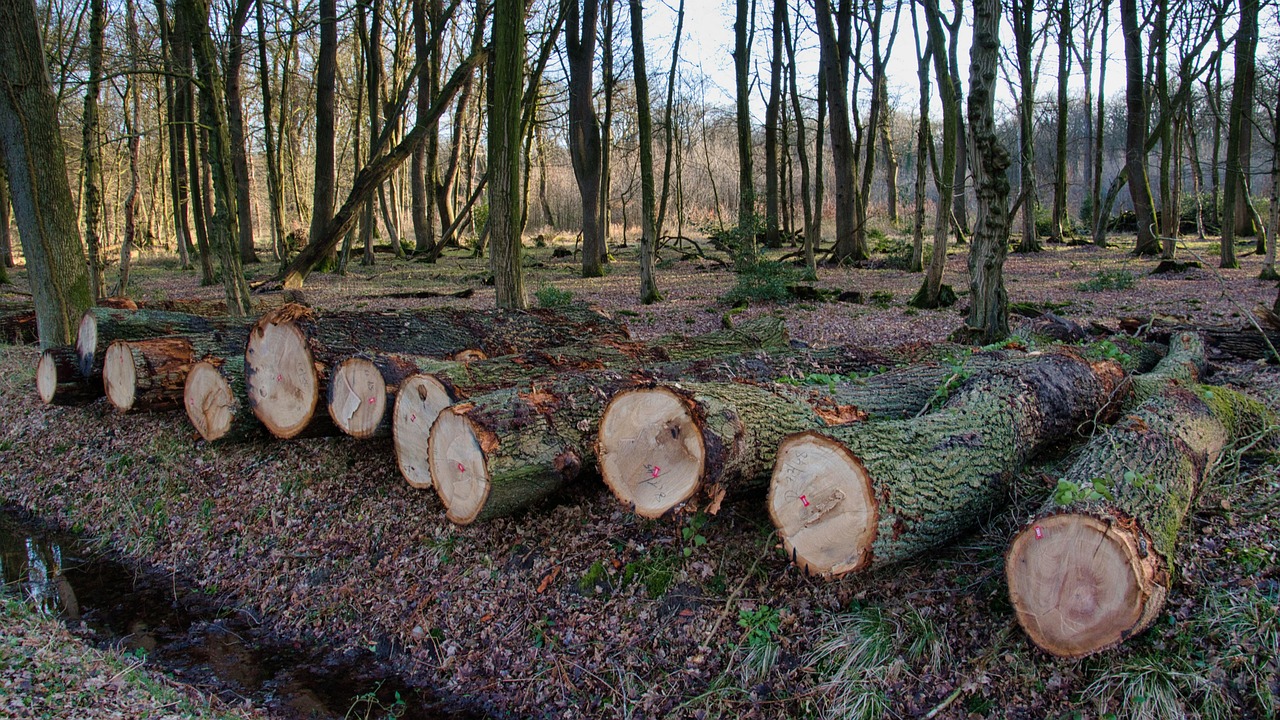
Deforestation has significant economic ramifications not only for local ecosystems but also for global markets and enterprises. It disrupts the balance of nature, leading to biodiversity loss, which can cripple local economies that rely on natural resources. The timber industry often benefits most immediately from deforestation, maximizing profits at the expense of long-term sustainability. Countries that depend on forest resources may find themselves grappling with economic instability as markets fluctuate due to scarcity. Additionally, deforestation depletes crucial resources like water and arable land, which affects agriculture, a sector vital to many economies. As forests diminish, agricultural yields may drop, leading to increased food prices globally. When considering international trade dynamics, deforestation alters supply chains, as countries may struggle to meet the demand sustainably, pushing them towards more costly and less sustainable alternatives. Furthermore, these economic impacts can lead to increased poverty, displaced communities, and social upheaval, creating a cycle of economic decline. The interdependence of environmental health and economic stability becomes evident as deforestation escalates, highlighting the need for integrated policies that support sustainable practices globally.
Deforestation and Trade Relations
Trade relations are heavily impacted by the implementation of sustainable practices among nations. As environmental regulations tighten globally, companies are pressured to adopt methods that minimize environmental degradation, including responsible sourcing policies. Countries that utilize extensive deforestation to boost short-term economic gains may find themselves facing trade barriers as major importers demand compliance with sustainability standards. This shift in market requirements creates a landscape where compliance becomes essential for entry into lucrative markets. As firms seek to competitively position their products, many are beginning to market their commitment to sustainability, as consumers increasingly prefer eco-friendly options. Industries such as agriculture, manufacturing, and energy must adapt their practices to reflect these values or risk facing decreased consumer trust and demand. Additionally, multinational corporations are required to consider their suppliers’ environmental practices, influencing their sourcing strategies. The global interconnectedness also means that deforestation in one region can lead to backlash or sanctions in another, affecting international economic relations. Consequently, embracing sustainable practices not only benefits the environment but also strengthens trade relations, ensuring that countries remain competitive in an evolving global marketplace.
In developing countries, the reliance on deforestation for economic growth poses a significant paradox. While it may seem beneficial for short-term revenue generation, the long-term consequences jeopardize overall economic development. Countries rich in biodiversity often depend on these resources for tourism, which can be a more sustainable income source than timber extraction. Emphasizing eco-tourism allows nations to generate revenue while preserving their unique ecosystems. The insurance sector also becomes involved as deforestation increases risks associated with climate change, leading to insurance premium hikes for businesses operating in high-risk areas. In turn, industries reliant on stable climates may face unpredictability in raw material availability, affecting costs and production schedules. Furthermore, the degradation of environmental assets ultimately leads to diminished economic returns, hindering sustainable development goals. The paradox extends to the labor market, with communities dependent on forest resources experiencing job losses due to deforestation and the subsequent decline in industries tied to sustainable practices. Bringing awareness to the economic implications of deforestation is crucial in driving policy changes and promoting sustainable alternatives that can support both economic and environmental health.
The Food Industry’s Challenges
The food industry faces unprecedented challenges caused by deforestation, impacting everything from food security to pricing structures. As forests are cleared for larger agricultural ventures, the effects on local ecosystems decrease soil fertility and water availability, leading to lower crop yields. The ramifications are felt worldwide as global food prices escalate due to diminished supply chains. Export-oriented agricultural nations may see an initial profit surge; however, this profitability is often short-lived, given the eventual degradation of land. Moreover, as forests are lost, the habitats of various animal species are affected, disrupting their populations and thereby altering market dynamics around meat and seafood products. The loss of biodiversity also threatens the genetic diversity necessary for resilient crop strains, increasing vulnerability to pests and diseases. Addressing these challenges requires innovative strategies that balance agricultural development with forest conservation. Implementing agroforestry practices can help retain tree cover, improving food security while maintaining the ecological balance crucial for sustainable agriculture. By merging ecological concerns with economic objectives, we can mitigate the adverse effects of deforestation on the food industry and overall economy.
Financial markets are not insulated from the economic impacts of deforestation. Investors are increasingly recognizing the importance of sustainable investing, pressuring companies to disclose their environmental impact. Financial institutions are beginning to consider environmental, social, and governance (ESG) criteria before funding projects, leading to a decline in capital available to deforestation-driven industries. Companies failing to address their deforestation footprint may face declining stock prices as institutional investors withdraw support or impose sustainability-focused mandates. Furthermore, access to financing becomes contingent on demonstrating adherence to sustainable practices, highlighting the integration of environmental health into financial risk assessments. This shift in investor sentiment is crucial for inducing change in corporate practices; thus, businesses adopting sustainable methods may enjoy reduced capital costs, enhancing overall profitability. As a result, capital flow tends to gravitate toward companies prioritizing sustainability, creating a new competitive landscape. In addition to impacting direct investments, the broader economy may be influenced as investors advocate for green policies. Thus, a firm commitment toward sustainability can pave the way for greater access to financial resources and improve long-term economic performance for businesses committed to responsible practices.
Global Actions Required
Addressing the economic impacts of deforestation necessitates concerted global actions that integrate environmental considerations into economic policies. International cooperation is essential in creating trade agreements that prioritize sustainability, ensuring nations adhere to responsible sourcing practices. Policymakers must collaborate to establish regulations that implement accountability for deforestation-driven industries while promoting economic opportunities that support ecological health. The significance of awareness campaigns cannot be understated as they elevate public consciousness about the implications of deforestation on global markets. Sustainable development goals should remain at the forefront of policy agendas, solidifying a commitment to eco-friendly practices. Furthermore, investment in technological solutions that promote sustainable land use can facilitate the transition toward greener economies. Financial incentives for industries transitioning away from unsustainable practices will encourage broader compliance and engagement in sustainable development. Educational initiatives can help equip communities with the knowledge necessary for fostering sustainable practices while reducing reliance on destructive land-use methods. Adopting a holistic approach to economic development that incorporates environmental stewardship is vital for safeguarding our future economy and maintaining the delicate balance of ecosystems that uphold global markets.
Ultimately, the economic impacts of deforestation resonate beyond immediate financial concerns and provide a blueprint for sustainable practices that can ensure long-term stability. Acknowledging that forests provide indispensable services, such as clean air, water filtration, and carbon storage, illustrates their inherent value and contribution to economic resilience. Investing in green solutions strengthens economies while safeguarding ecosystems. For businesses, adopting sustainable practices starts with transparent supply chains that communicate environmental commitments clearly. By embracing regenerative practices, enterprises pursue profitability without jeopardizing their ecological foundations. The consumer’s role is equally critical as increasing demand for sustainably sourced products ensures companies prioritize environmental integrity. The collaboration across sectors will drive innovation, efficiency, and responsible resource management. Furthermore, the conversation surrounding deforestation and its economic implications facilitates proactive solutions that not only protect valuable resources but also secure competitive advantages for companies navigating an increasingly sustainability-focused market. Through combined efforts, the global community can foster an economy that honors the environment and the market, ensuring that both flourish together in harmony.
In conclusion, understanding the broader economics surrounding deforestation is vital for fostering a sustainable future that prioritizes environmental health alongside economic growth. By recognizing the intricate connections between ecological and economic systems, stakeholders can move towards solutions that address underlying issues. The conversation around deforestation must expand beyond mere statistics, focusing on the narratives that highlight the human impact of these decisions. Fostering collaboration among governments, businesses, and communities is crucial for creating holistic strategies that ensure collective benefit. Several initiatives have emerged, focusing on reforestation, sustainable agriculture, and eco-friendly business practices. These initiatives serve to mitigate some of the adverse effects stemming from deforestation while stimulating economic opportunities and innovation. Moving forward, it is imperative that global markets embrace sustainable practices, not as an option but as a necessity. As the world grapples with climate change and environmental degradation, the economic arguments for preserving forests have never been more compelling. In viewing forests as vital economic assets rather than mere resources to exploit, we can create pathways toward a balanced, sustainable future. It is time to realign economic priorities with ecological health to ensure the well-being of future generations and the planet.