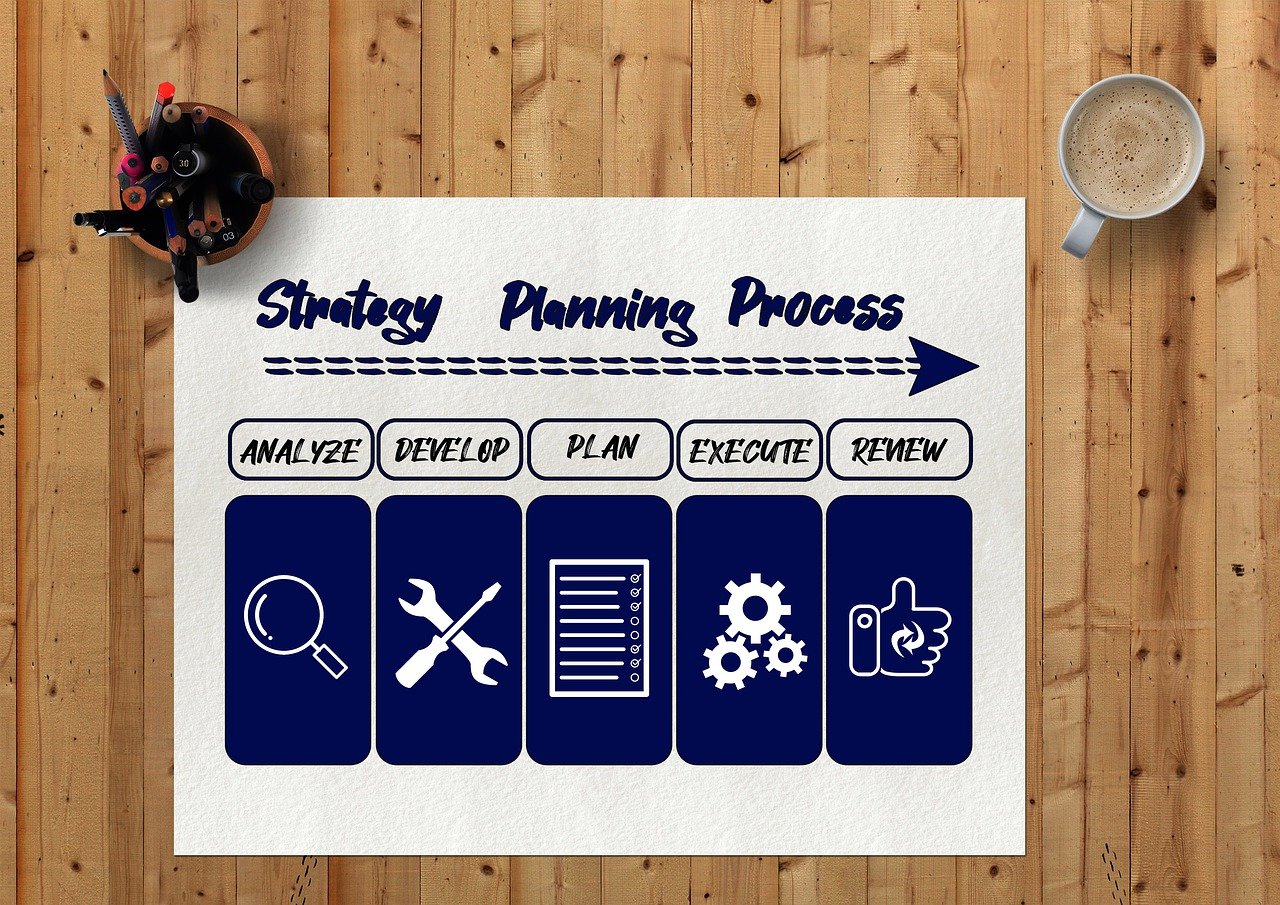

From Waterfall to Agile: Transition Strategies for Business Innovation
In the dynamic landscape of modern business, many organizations are experiencing a paradigm shift from traditional project management methodologies to Agile approaches. Agile methodology focuses on iterative development, aligning closely with business innovation needs. This shift allows companies to respond rapidly to market changes and customer feedback. Organizations employing Agile advocate for short development cycles, known as sprints, which enable teams to produce working software in manageable increments. This transition is not merely a set of new practices; it embodies a cultural shift where collaboration, transparency, and continuous improvement are prioritized. However, moving from Waterfall to Agile requires thoughtful planning and execution. Key strategies involve involving stakeholders throughout the design phase, ensuring alignment with business objectives. Establishing a strong support system and providing extensive training are also crucial, as Agile demands a change in mindset and practices among team members. Organizations must embrace adaptability and flexibility, breaking down silos and fostering cross-functional teams. The emphasis on experimentation and learning from failures can lead to innovative solutions that address complex challenges faced in the marketplace. Engagement and encouragement from leadership are vital to cultivate a successful transition.
Understanding Agile Methodology
Agile methodology encompasses various frameworks and practices, including Scrum, Kanban, and Lean, each designed to optimize performance within teams. Understanding these frameworks is essential for fostering effective project management and meeting innovation goals. Scrum is particularly notable for its structured roles, events, and artifacts, which create a clear framework for collaboration and accountability. The role of the Scrum Master, Product Owner, and the Development Team are essential to maintaining focus and direction. Kanban, in contrast, emphasizes visualizing work processes to identify bottlenecks and enhance workflow efficiency. Utilizing Kanban boards provides teams with a real-time overview of their tasks, enabling rapid adjustments as needed. Lean focuses on maximizing customer value while minimizing waste, promoting efficiency in every aspect of project delivery. Each approach offers unique advantages, but they share fundamental principles rooted in flexibility and responsiveness to change. Organizations seeking to innovate must not only adopt these methodologies but also cultivate an organizational culture that empowers teams to embrace new ideas and experiment with processes. Encouraging a mindset of continuous improvement is crucial for sustaining innovation and adapting to evolving market demands.
The transition from Waterfall to Agile presents a significant challenge for many organizations rooted in traditional project management. It is essential to assess the current processes and identify areas where Agile principles can be integrated effectively. Start by involving key stakeholders to gather insights and encourage buy-in for the change. Conduct workshops and training sessions to educate employees on Agile principles, promoting active participation in planning and execution. Establishing clear communication channels within teams can help alleviate misunderstandings and foster collaboration. It is also beneficial to pilot Agile practices on smaller projects to evaluate their effectiveness before scaling up. This phased approach allows organizations to build confidence in the Agile methodology without overwhelming teams. Regular feedback loops and retrospectives during the transition ensure continuous assessment and refinement of practices. It is crucial for leadership to model Agile behaviors, demonstrating commitment and dedication to the change initiative. This support generates momentum and encourages team members to embrace new workflows. Recognizing and celebrating early successes can also stimulate motivation and further adoption across the organization. Ultimately, patience and persistence are vital throughout the transition process.
Establishing Cross-Functional Teams
For Agile methodologies to be successful, establishing cross-functional teams is a cornerstone strategy. These teams incorporate members from different departments and backgrounds, allowing them to bring diverse perspectives and expertise to the table. Cross-functional collaboration fosters innovation as it encourages healthy debate and creative problem-solving. When team members can leverage their unique strengths, they can collectively generate high-quality solutions. Moreover, these teams are more adaptable, as they can respond to changing circumstances and customer requirements efficiently. Communication becomes fluid when individuals from various functional areas collaborate, thus reducing the risk of misalignment. To build effective cross-functional teams, organizations should prioritize psychological safety, allowing team members to express ideas without fear of judgment. Engaging in team-building exercises can strengthen bonds and nurture trust, laying a strong foundation for collaboration. Continuous learning opportunities through workshops or training can enhance skills and knowledge, reinforcing their capacity to innovate. Furthermore, establishing a shared vision and goals within teams enables them to stay aligned and motivated. As organizations embrace cross-functional approaches, they are better equipped to drive transformation and achieve sustainable business innovation.
An essential advantage of Agile is its iterative nature, which allows for adaptive planning. This feature directly impacts how organizations can innovate and respond to customer feedback. By conducting regular reviews and demonstrations, teams can gather insights that inform future development cycles. The emphasis on customer collaboration ensures that the final product aligns closely with market needs, enhancing its chances of success. Feedback is not considered a setback; rather, it is a vital component that drives improvement and refinement. Experimentation is promoted within Agile frameworks, allowing teams to test new ideas and solutions quickly. This trial-and-error approach encourages creativity and reduces the fear associated with failure. To maximize the effectiveness of this iterative process, organizations should maintain open channels for feedback among customers and stakeholders. Analytics and metrics can help measure the success of iterations and guide adjustments in real time. By effectively leveraging customer insights, teams can pivot their strategies, preventing wasted resources and ensuring alignment with user expectations. In the fast-paced business environment, maintaining this flexibility ultimately leads to better products and increased customer satisfaction.”},{
Scaling Agile Within the Organization
Once Agile practices have been successfully implemented at the team level, organizations must consider how to scale these practices throughout the entire organization. Scaling Agile can often pose significant challenges and requires careful planning and execution. Utilizing frameworks such as the Scaled Agile Framework (SAFe) or Large Scale Scrum (LeSS) can provide a structured approach to scaling Agile across multiple teams. Establishing a clear governance structure is vital for ensuring that teams remain aligned with the overall business objectives. Regular synchronization meetings and portfolio management processes can assist in maintaining focus and coherence across teams. Stakeholder engagement is critical throughout the scaling process; encouraging involvement from executives and key stakeholders can facilitate communication and buy-in. Continuous learning and improvement should remain a priority throughout this stage, with an emphasis on adapting processes as the organization grows. Organizations must embrace a mindset of agility not only at the team level but across all operations. Building an Agile culture involves valuing collaboration, acknowledging the importance of diverse perspectives, and fostering an environment of trust and innovation. Scaling successfully leads to broader and more sustainable transformation within the organization.
Finally, measuring success is an integral component of the Agile transition. Organizations must define key performance indicators (KPIs) that align with their business objectives and innovation goals. KPIs should go beyond traditional metrics and consider factors like customer satisfaction, team engagement, and the time-to-market for new features or products. Collecting data on these metrics will allow organizations to assess the effectiveness of their Agile practices and identify areas for improvement. Regular retrospectives should also focus on these KPIs to gauge progress and celebrate successes. By fostering a culture of accountability, organizations can drive further enhancements in their Agile processes. Transparency is essential; sharing results within the organization encourages collaboration and collective problem-solving. Moreover, organizations should stay informed about emerging trends in Agile practices to remain competitive and innovative. This ongoing learning is key to sustaining the momentum of Agile transitions, as it helps organizations adapt to evolving market conditions. Ultimately, the commitment to measuring success and pursuing improvement solidifies the effectiveness of Agile methodologies, propelling organizations towards greater business innovation.