
The Role of Payment History in Credit Scores
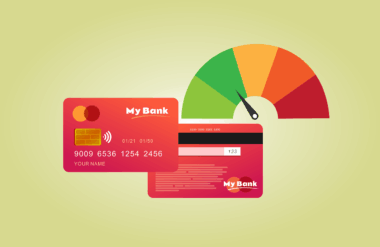
Understanding the elements that influence credit scores is crucial. One of the most significant factors contributing to a credit score is payment history, which accounts for about 35% of the FICO score calculation. Your payment history reflects how reliably you pay your bills, including credit cards, mortgages, and other loans. Late payments can severely impact your credit score, especially if they are 30 days or more past due. Lenders will review your payment history to gauge the risk of lending to you, meaning that consistent on-time payments will significantly boost your score. This score affects your ability to secure new credit and the interest rates you’ll be offered. To maintain a positive payment history, set up reminders or automate payments whenever possible. Also, ensure that you review your credit reports regularly for inaccuracies, as mistakes can lead to an unjustly low score. The importance of a strong payment history cannot be overstated—it is the cornerstone of your creditworthiness, essential for receiving favorable credit terms and achieving financial goals. By paying bills promptly and consistently, you can build a solid foundation for your financial future.
Another factor to consider regarding payment history is how it affects different types of credit. Various accounts in your credit mix play a role in determining your overall credit profile. Credit scoring models will assess not only your on-time payments but also the mix of credit types you’ve handled, such as revolving credit and installment loans. Managing diverse types of credit can strengthen your score, particularly if you’ve successfully made timely payments across the board. When lenders evaluate your application, they look for historical reliability in making payments across different types of credit. This comprehensive view can enhance your chances of being approved for loans. To help manage your credit diversity, consider applying for various credit types but be cautious; this should not compromise your payment history. Monitor your accounts diligently, ensuring that every payment is made on time, because a single late payment can have a long-lasting negative effect. By carefully managing your payment strategies and keeping track of due dates, you can make informed decisions that will maximize your payment history’s positive impact on your credit score.
The Importance of On-Time Payments
On-time payments are vital to your credit score, influencing both short-term and long-term financial objectives. Each month that you make your payments on time adds positively to your payment history. It shows lenders that you are a responsible borrower who can be trusted with credit. A stellar payment history not only improves your credit score but can also yield enticing perks such as lower interest rates and higher credit limits. Conversely, a missed or late payment can tarnish your credit report and may remain visible for up to seven years, making it even more crucial to prioritize timely payments. Setting up automatic payments for your recurring bills can mitigate the risk of forgetting them, ensuring that your positive payment history is maintained. Additionally, monitor your credit cards closely to avoid overspending, which could lead to trouble making payments on time. Adopting these habits not only safeguards your credit score but also provides confidence in borrowing situations. In conclusion, a consistent track record of on-time payments is one of the most effective strategies for establishing a healthy financial future.
Another aspect of payment history to consider is how delinquencies can impact various credit scoring models. Each scoring model may weigh your payment history differently. For instance, while FICO scores emphasize the timeline of your payments, VantageScore also considers how long your payments are overdue. The presence of late payments can introduce discrepancies among your scores from different platforms, complicating your financial planning. To minimize such discrepancies, it is vital to understand how each scoring model works to ensure you are managing your credit responsibly. Regularly checking your credit reports from multiple credit bureaus can help you stay aware of your payment histories across different models. Addressing any inaccuracies you find is essential to maintaining a desirable credit profile. Keeping in mind the nuances of differing scoring metrics, take proactive steps to correct any discrepancies. A firm grasp of your credit report allows you to respond effectively to lenders’ concerns. Over time, maintaining a clean payment history across different models ensures your creditworthiness remains robust, enabling you to navigate financial opportunities confidently.
How to Build a Solid Payment History
Building a solid payment history involves several strategic steps that can ultimately boost your creditworthiness. Start by setting a budget that aligns with your income and expenses, enabling you to manage your finances better. Make a list of all your due dates to ensure that you pay your bills on time. Utilize tools like budgeting apps that can help you track your spending habits and send payment reminders. If you have difficulty remembering due dates, consider autopayment options, ensuring that you never miss a deadline. Additionally, start small with credit products that you can manage easily and pay off regularly. Over time, using credit responsibly and building a history of on-time payments effectively signals to lenders that you are a trustworthy borrower. Don’t underestimate the importance of consistent, responsible credit usage; it plays a pivotal role in shaping your credit profile. Remember, however, that the quality of credit usage is just as important as quantity. By remaining vigilant and informed, you can construct a payment history that serves as a solid foundation for your financial ambitions.
Lastly, be mindful of how new credit applications can impact your payment history. Applying for numerous credit accounts within a short period can lead to hard inquiries on your credit report. Each inquiry can temporarily knock a few points off your score. Maintaining a robust payment history becomes crucial during this time, as lenders often evaluate recent inquiries along with your overall report. To avoid damaging your hard-earned reputation, only apply for credit when you need it. Assess whether you will truly benefit from the new account while keeping your existing obligations manageable. Additionally, if you are denied credit based on your payment history, take action to understand why and work on improving your profile. It is vital not to be discouraged, as even steps back can be valuable learning experiences. Ultimately, striking a balance between acquiring new credit and upholding an excellent payment history can enhance your financial landscape. Mindfulness in credit applications will contribute positively to your long-term financial health, serving you well in future endeavors.
Conclusion: Prioritize Your Payment History
It cannot be overstated how vital a strong payment history is to your overall financial health. Whether you’re looking to buy a home, finance a vehicle, or even secure a credit card, your payment history will frequently be the determining factor. The substantial impact it has on your credit score underscores the necessity of managing and safeguarding it with diligence. By consistently making on-time payments and keeping an eye on your credit report, you elevate your financial standing and create more opportunities for yourself. Remember to stay aware of your debts and deadlines, implementing effective budgeting strategies to aid in your management efforts. With greater awareness and dedication to maintaining a stellar payment history, you empower yourself to navigate significant financial decisions with confidence. Understanding how payment history interacts with other credit factors broadens your perspective, making you a more informed borrower. Focus not only on your current financial landscape but also on your future. Prioritizing your payment history will undoubtedly lead you to a more prosperous and secure financial journey.
In the world of personal finance, keeping a close watch on your credit score is essential. As the foundation of your financial health, your credit score can significantly impact your borrowing ability and the terms of any loans you apply for. Understanding the role of payment history in credit scores is vital, especially since this metric accounts for about 35% of the overall score. Payment history refers to your track record of making timely payments across various debts, such as loans or credit cards. By ensuring consistent on-time payments, you contribute positively to your credit score, which can lead to more favorable lending conditions in the future. Neglecting payment responsibilities, however, can lead to a reduced score, making it challenging to secure loans with optimal terms. This makes establishing a strong payment history both a necessary task and a fundamental aspect of personal financial management. Remember, lenders utilize your payment history not just as a score metric but as an indication of your reliability and general creditworthiness. Therefore, being proactive in managing your payments is crucial.