
How Contactless Payments Support Contactless Ordering in Restaurants
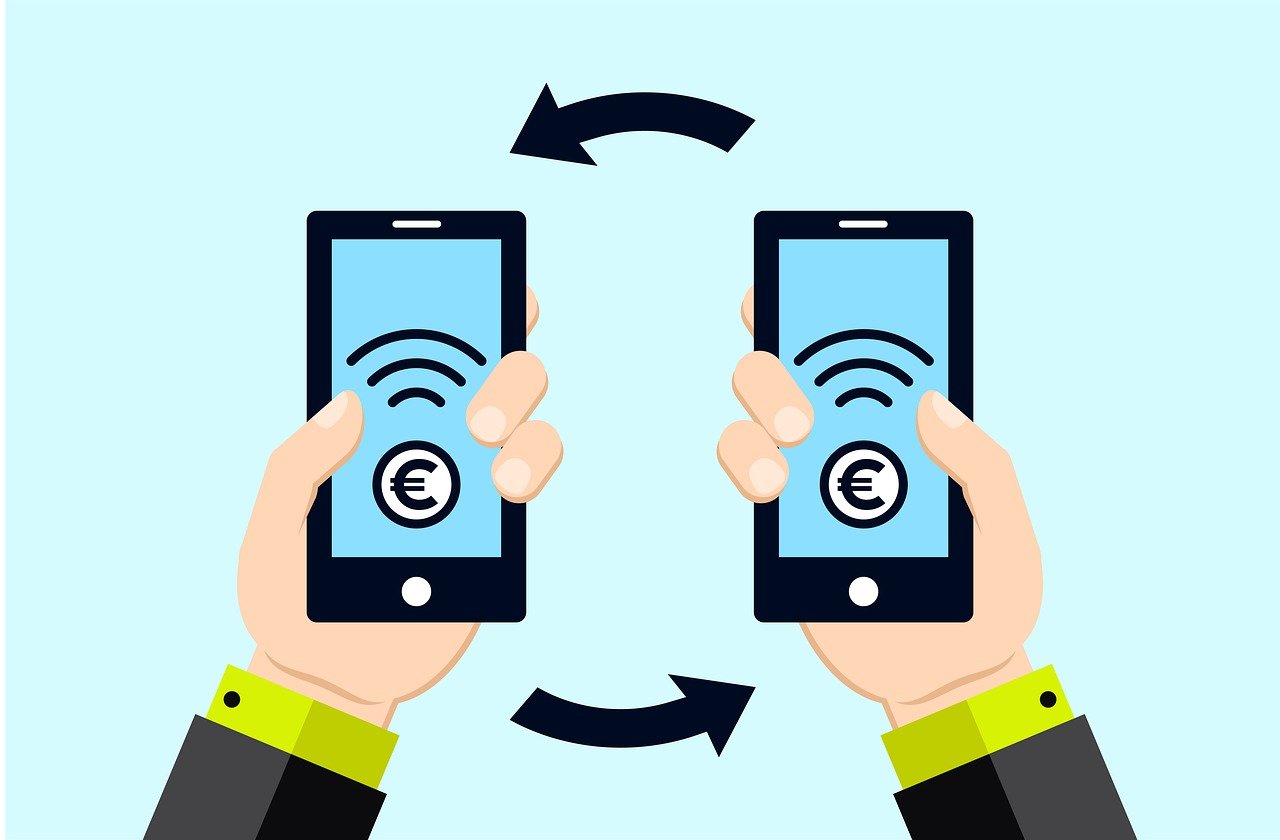
Contactless payments are rapidly transforming how transactions occur in restaurants, enhancing convenience and efficiency for both customers and staff. These innovative payment methods allow patrons to swiftly complete their purchases without the need for cash or physical card swiping. Instead, by merely tapping their smartphones, cards, or wearables, customers can finalize their orders. This payment technology employs NFC (Near Field Communication) or RFID (Radio Frequency Identification) to establish secure connections and execute transactions almost instantaneously. This means customers can enjoy frictionless ordering experiences, leading to shorter wait times and increased customer satisfaction. Moreover, contactless payments align perfectly with the growing trend of contactless ordering systems, where guests can browse menus, customize orders, and pay directly from their devices. As restaurants adopt these systems, they streamline operations, improve service speed, and reduce the potential for errors in customer orders. Overall, integrating contactless payments creates a win-win situation for diners and restaurant operators, allowing for a quick, safe, and enjoyable dining experience while enhancing operational efficiency.
Furthermore, integrating contactless payment systems into restaurant operations can lead to greater revenue efficiency. By allowing guests to complete transactions quickly, staff can devote more time to serving additional customers, thus optimizing the flow of the dining space. This efficiency directly impacts profitability, as satisfied customers tend to return and also recommend the restaurant to friends and family. Incorporating contactless payments can also reduce the handling of cash or cards, which is vital for hygiene, particularly in our post-pandemic world. Many diners appreciate knowing that their payment process is as clean and safe as possible. Along with greater safety, restaurant owners benefit from reduced payment processing times, allowing for quicker table turnover. This increased speed translates into serving more guests daily, ultimately increasing daily sales. Moreover, contactless payments provide valuable data analytics capabilities for restaurant owners, enabling them to assess dining trends, peak periods, and customer preferences. Leveraging this data can lead to smarter business decisions and promotions, further elevating both guest satisfaction and operational success.
Enhancing Customer Experience with Contactless Payments
Enhanced customer experiences are at the heart of successful restaurant operations, and contactless payments play a crucial role in this. As diners expect quicker service and increased convenience, the ability to order and pay swiftly through touchless systems meets these expectations. Many restaurants are implementing digital menu systems that guests can access via their smartphones. With features like easy customization and personalized offers, diners are likely to appreciate the autonomy they enjoy through these technologies. Contactless payments complement these systems, enabling seamless and secure payment functionality. Guests can easily split bills or leave tips right from their devices, adding to the overall experience’s flexibility and enjoyment. Additionally, contactless payments create opportunities for restaurants to build loyalty programs directly connected to these digital transactions. This integration enhances customer engagement, as patrons can earn rewards for their orders while enjoying the benefits of instant payments. By focusing on customer experience through innovative technologies like contactless payments and ordering, restaurants can differentiate themselves in a competitive industry, ensuring they attract new customers while retaining existing clientele.
Moreover, contactless payment options are gaining acceptance among various restaurants, from quick-service eateries to upscale dining establishments. This universal appeal contributes to the increased adoption of contactless technologies across the foodservice industry. As customers become more familiar with the convenience of using smartphones or cards that simply tap to pay, their expectations for seamless experiences grow. It is essential for restaurants to keep pace with these changing behaviors and preferences. By investing in contactless technology, restaurants signal their commitment to modernity and guest satisfaction. Marketing these capabilities through various channels can also enhance brand visibility and attract tech-savvy diners looking for efficient dining solutions. Furthermore, as security concerns become paramount, major payment providers ensure that contactless methods offer encryption and tokenization, making them as safe as traditional payment methods. This emphasis on security helps to alleviate concerns diners may have about fraudulent activities. As more diners embrace technology, restaurants that do not adopt contactless payments may risk losing market share in an increasingly competitive environment. Thus, smart investments in technology are essential to meeting evolving consumer expectations.
Operational Benefits for Restaurants
In addition to improving customer experiences, incorporating contactless payment methods also presents numerous operational advantages for restaurants. For instance, quick-service environments benefit significantly, as contactless payments enable faster order processing and payment completion. By expediting these transactions, staff can serve more customers effectively within the same period. This increased efficiency can lead to higher sales revenue during peak hours, ensuring that the restaurant maximizes its potential. Another operational benefit is the reduced reliance on cash handling and the associated risks encountered, such as errors, theft, or counterfeit bills. Moreover, the integration of technology streamlines the accounting process for restaurant owners. By generating digital transaction records automatically, businesses can easily track invoices and sales data, facilitating more accurate financial reporting and management. With less time spent on manual cash reconciliation, staff can focus more on enhancing service quality. These operational improvements also extend to inventory management, where data analytics obtained from contactless transactions can provide insights into purchasing behaviors. Such valuable data helps restaurants optimize inventory control and minimize waste, ultimately bolstering profitability.
It’s equally important to recognize how contactless payments align with sustainability efforts in the restaurant sector. Many restaurants strive to adopt eco-friendly practices, such as reducing paper use by transitioning to digital menus and digital receipts. Contactless payment methods complement these sustainable initiatives, as they minimize the need for physical slips and receipts. By opting for e-receipts sent directly to customers’ phones or emails, restaurants significantly cut down on paper waste. Additionally, the reduced physical exchange of cash and cards promotes a hygienic approach that aligns with sustainable health practices. Diners, particularly environmentally conscious customers, appreciate knowing that their dining choices contribute to greener initiatives. Moreover, the technological aspects of contactless systems, such as digital wallets, have a smaller carbon footprint compared to traditional banking methods. Restaurants that prioritize sustainability through technological advancement can attract a dedicated segment of environmentally aware consumers, enhancing their brand reputation and customer loyalty. As sustainability continues to drive consumer choices, leveraging contactless payments showcases a restaurant’s commitment to both health and the environment.
Future Trends in Contactless Payments
Looking toward the future, the landscape of contactless payments in restaurants will continue to evolve, reflecting broader technological trends in the financial sector. As innovation advances, we can anticipate enhanced features within contactless payment systems, such as improved security measures and integrated loyalty programs. These enhancements will streamline the payment experience even further, making it more appealing for diners to utilize contactless options. Furthermore, advancements in mobile payment technologies, such as biometric authentication, may gain traction. With biometric security, patrons can enjoy hands-free transactions without the need to carry cards or phones. This ease of use could foster even more widespread adoption of contactless payments across dining venues. Social media integration could also play a role in future trends, allowing diners to share their experiences and promotions easily within their networks. As customers increasingly desire personalized dining experiences, integrating preferences into transaction systems will be essential. Restaurant operators that stay ahead of these innovations will likely find themselves at the forefront of customer satisfaction, developing lasting relationships with an ever-evolving clientele in the competitive food industry.
In conclusion, the role of contactless payments in enhancing the restaurant experience cannot be overstated. From streamlining operations and elevating customer satisfaction to providing critical data insights, these technologies significantly impact both guests and restaurant operators alike. As the industry progresses, staying agile and embracing contactless payment solutions will be essential for restaurants looking to thrive in an increasingly digital world. As more restaurants implement these systems, they contribute to creating an environment where the safety, convenience, and ease of ordering lead to a more enjoyable dining experience. For diners, the reduction of wait times, enhanced service quality, and the added bonus of safe transactions underscore the value of contactless payments. Meanwhile, restaurant owners benefit from operational improvements, increased sales, and the loyal customer base that results from these innovations. With all eyes on the future of dining, embracing contactless solutions represents an important step forward, ensuring that dining experiences remain enjoyable, efficient, and secure for all parties involved.