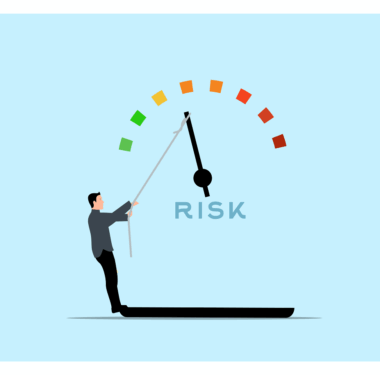

Internal Audits in Financial Services: Key Considerations
Internal audits play a critical role in the financial services sector, focusing on ensuring compliance with laws and regulations as well as internal policies. Effective audits can help organizations identify potential risks and inefficiencies in operations. These evaluations facilitate enhanced financial transparency and improve trust with stakeholders, including customers, regulators, and investors. Moreover, proper auditing methods can uncover fraudulent activities or vulnerabilities that could lead to monetary loss. Financial services firms, therefore, must prioritize developing a robust internal audit strategy that encompasses risk management and controls. This strategy should align with organizational goals while effectively addressing unique industry challenges. A comprehensive approach that considers both operational and financial aspects can significantly benefit overall risk resilience. Additionally, implementing advanced technologies, such as data analytics, can improve audit efficiency and effectiveness. By leveraging data, internal auditors can pinpoint anomalies and trends that require further investigation. This proactive stance enhances the organization’s ability to address risks before they escalate into larger issues, ultimately fostering a culture of compliance and risk awareness throughout the institution.
To achieve effective internal audits in financial services, institutions must consider various key factors. One crucial element is establishing clear objectives for the audit process. These objectives should reflect not only compliance requirements but also the strategic goals of the organization. Auditors should actively engage with senior management to define these objectives, ensuring that the audit plan remains relevant and focused on high-risk areas. Furthermore, a well-structured audit framework is essential for guiding the audit process. This framework should outline methodologies, roles, and responsibilities while adhering to professional standards. Training and developing internal audit personnel is equally important because skilled auditors are vital to identify risks effectively. Organizations can invest in continuous learning opportunities to enhance auditing techniques and familiarize staff with evolving regulatory requirements. Another significant consideration involves communication between the internal audit function and other stakeholders, such as risk management and compliance departments. Strengthening this collaboration fosters information sharing, leading to improved risk assessments and holistic audits. Finally, effective reporting mechanisms must be in place to present audit findings and recommendations to management and the board, ensuring transparency and accountability across the organization.
Risk Assessment and Audit Planning
Effective internal audits hinge on thorough risk assessments and comprehensive audit planning. Financial services organizations should adopt a systematic approach to identifying, evaluating, and prioritizing risks. This enables auditors to allocate resources effectively towards areas posing the highest risk to the organization. Risk assessments should consider various factors, including external economic conditions, evolving regulatory changes, and emerging industry trends. To ensure a balanced perspective, organizations can involve both internal and external stakeholders when performing risk assessments, thereby gaining diverse inputs. Once risks have been identified, it is critical to develop a detailed audit plan. This plan should outline scopes, objectives, timelines, and methodologies for each audit, including assigned responsibilities. Additionally, auditors should remain flexible in their approach, allowing for adjustments based on changing risk landscapes or other unforeseen factors. Regularly revisiting and updating the audit plan ensures alignment with organizational priorities and enhances robustness. A risk-based approach not only supports compliance requirements but also equips the organization to make informed decisions based on proactive risk management, ultimately fostering a culture of continuous improvement in internal audits.
Another vital aspect of internal audits in financial services is the role of technology in enhancing audit effectiveness. The increasing complexity of financial transactions, along with the ever-growing volume of data, demands innovative solutions to streamline audit processes. By leveraging advanced technologies like artificial intelligence (AI) and machine learning, auditors can automate repetitive tasks and focus on more strategic aspects of their audits. Digital tools can also aid in data analysis, allowing auditors to identify patterns and anomalies quickly, which may signify potential risks or compliance issues. Adopting such technologies enables auditors to gain insights that would be challenging to uncover through manual review. Furthermore, a strong emphasis on cybersecurity risk assessments has emerged, given the heightened threat of cyberattacks in the financial services sector. Internal audits should evaluate the effectiveness of organizations’ cybersecurity policies and protocols as part of their audit scope. This proactive approach ensures that financial institutions remain vigilant in protecting sensitive customer data. Embracing a culture of innovation through technology ultimately enhances the internal audit function’s agility, accuracy, and relevance within the broader risk management framework.
Regulatory Compliance and Internal Audits
Regulatory compliance is a prominent challenge for financial services organizations, necessitating a comprehensive approach within internal audits. Given the complex and dynamic regulatory environment, it’s crucial that internal auditors remain up to date with applicable laws and regulations. This can include industry standards, banking regulations, anti-money laundering (AML) laws, and data protection laws such as GDPR. An effective internal audit function should incorporate these regulations into their audit plans to evaluate adherence adequately. Auditors must assess the processes and controls designed to ensure compliance, identifying potential gaps and recommending necessary improvements. Conducting periodic compliance audits helps organizations avoid penalties and reputational damage associated with non-compliance. Moreover, promoting a culture of compliance across the organization can significantly enhance overall risk management. Auditors should engage in training sessions and workshops for employees, raising awareness regarding compliance responsibilities. By fostering understanding and vigilance, organizations can cultivate an environment where compliance becomes a shared responsibility. In conclusion, integrating regulatory compliance within internal audits not only supports firm integrity but also reinforces stakeholder confidence in financial services operations.
In addition to compliance, the importance of internal controls and their assessment cannot be overstated. Effective internal controls form the backbone of a financial service’s risk management framework, identifying weaknesses before they escalate. Internal audits should evaluate these controls systematically, considering their design, implementation, and effectiveness. Thorough testing of controls ensures their reliability and concurrent identification of improvement opportunities. Furthermore, engaging management and staff throughout the evaluation process fosters collaborative relationships and promotes accountability for internal controls. Incorporating a risk-based approach when assessing controls further enhances the relevance of the audit findings. This ensures that the most critical risks are addressed promptly while still considering lower-risk areas. Transparency in communication regarding control assessments strengthens trust within the organization, creating a culture of shared responsibility. Lastly, organizations can benefit from benchmark studies to compare their control frameworks against industry peers, leading to best practices adoption. In conclusion, a focus on internal controls enhances resiliency and sustainability in financial services, ensuring that organizations remain adaptive to market changes and challenges.
Conclusion: Evolving Internal Audits
As the financial services landscape continues to evolve, internal audits must adapt to meet new challenges and demands. This requires embracing a forward-thinking mindset that focuses on continuous improvement and innovation. Organizations should prioritize investing in staff training and technology to enhance internal audit capabilities continuously. Adapting audit methodologies to incorporate emerging risks, such as fraud or cyber threats, can reinforce the effectiveness of audits. Additionally, a collaborative approach involving stakeholders across the institution can lead to better-aligned risk management strategies. As operational, technological, and regulatory environments change, a proactive approach will enable auditors to anticipate and mitigate risks effectively. The integration of data analytics into audits will also support transformational changes within organizations, allowing auditors to provide valuable insights to management. Developing a risk-aware organizational culture is critical for reinforcing the importance of internal audits in decision-making processes. In finality, organizations that understand the critical role of internal audits and invest in their continuous evolution will be well-positioned to navigate the complexities of the financial services industry while ensuring long-term success.
In conclusion, maintaining the integrity and effectiveness of internal audits within financial services is vital for fostering stakeholder confidence and managing risks effectively. By embracing a holistic approach that incorporates risk assessment, technology adoption, and regulatory compliance, organizations can pave the way for sustainable growth. Collaborating with management and other departments further strengthens internal audit functions, ensuring a proactive stance towards potential issues. As the financial landscape continues to evolve, staying equipped and prepared for emerging challenges is essential for the long-term viability of financial institutions. In addition, fostering a culture where compliance and risk management are prioritized plays a crucial role in promoting operational excellence. Through continuous training and investment in resources, financial institutions can enhance their audit capabilities, ensuring they can adapt to shifting market dynamics. Remember, internal audits should not be viewed solely as a compliance necessity but also as a strategic advantage. Organizations striving to excel will place internal audit functions at the core of their risk management strategy. Ultimately, internal audits serve as a pillar of support for financial services, providing valuable insights that drive informed decision-making and improved outcomes.