
How Credit Utilization Influences Your Business Credit Score
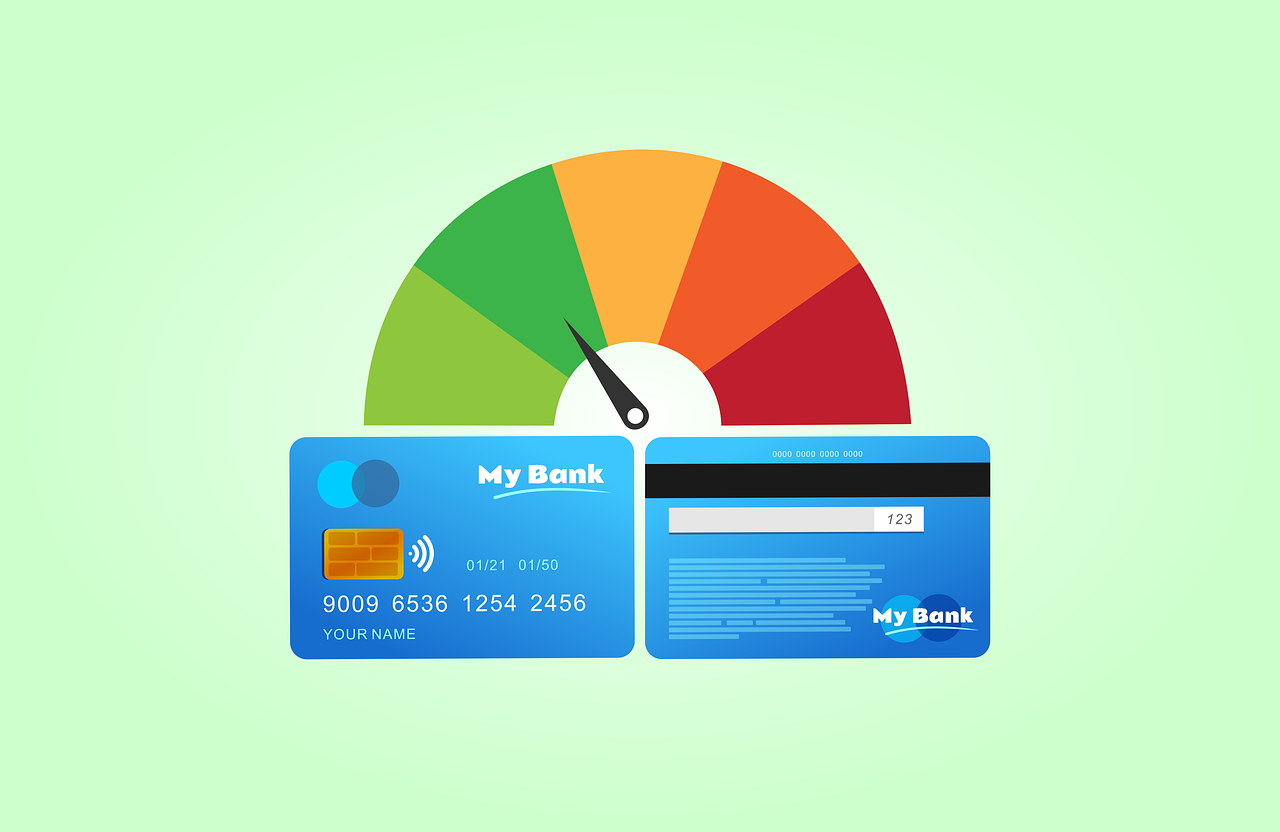
Understanding how credit utilization impacts your business credit score is essential for small business owners. Credit utilization refers to the amount of credit you are using relative to your total credit limit. For instance, if you have a credit limit of $10,000 and you’re using $3,000, your utilization is 30%. This ratio is a key factor in determining your creditworthiness. Many lenders assess credit limits to gauge financial responsibility. Fairly allocating and maintaining this utilization ratio can significantly enhance your credit score. Lower utilization typically indicates that a business is responsible with its finances. Conversely, high utilization may suggest financial distress. Thus, aiming to keep your utilization under 30% is generally advisable. Moreover, actively monitoring your usage involves assessing monthly business expenses regularly to ensure they stay within reasonable limits. This careful management can lead to better interest rates on loans and possibly easier approvals. Small tweaks can make a considerable difference in your overall credit health. Regularly paying down balances promptly can also improve utilization ratios significantly. Employing these strategies will enhance your business’s financial reputation and boost growth potential.
Strategies for Managing Credit Utilization
To maintain an optimal credit utilization ratio, small business owners should implement effective strategies. One useful approach is to diversify your credit sources. This involves obtaining multiple lines of credit, such as business credit cards and loans. By having various credit sources, you can spread out the utilization across different accounts, keeping individual utilization ratios low. In addition, it is crucial to monitor your credit report regularly. Checking for inaccuracies or fraudulent activity can help protect your score and maintain your credit health. Growing your credit limit can also lead to improved utilization ratios. Asking for credit limit increases on existing accounts, or considering new credit accounts, can provide more breathing room. If you find that you’re nearing your limit, it’s advisable to pay down balances sooner rather than later. Additionally, consolidation can help to lower high balances while improving overall credit health. This way, you not only manage your credit effectively but also enhance your financing options. Employing these practices can result in a positive trend in credit scores, setting the stage for more robust business growth.
The Impact of Payment History
Your payment history plays an equally vital role in determining your business credit score. Consistently timely payments not only enhance your credit score but also reflect your business’s reliability. Lenders want assurance that debts will be settled on time. Conversely, late payments can severely damage your credibility and utilization ratio. Even one missed deadline can lead to a significant drop in score. To maintain strong credit, implement systematic payment schedules. Automating payments ensures that deadlines aren’t missed, creating a positive payment history. Moreover, utilizing reminders for due dates can serve as an additional safeguard. If you’re facing cash flow challenges, communicating with creditors may provide temporary relief. Discuss payment plans that can ease your burden without flagging late payments on your report. In many cases, lenders are understanding if you approach them proactively. Still, having a contingency plan for payment management is paramount. A disciplined approach underscores your dedication to maintaining a responsible credit profile. This discipline rests at the foundation of building and maintaining your business credit score.
How Revolving Accounts Affect Credit
Revolving credit accounts, such as credit cards, have a dynamic influence on your credit utilization rates. They allow you to borrow, repay, and borrow again, impacting your utilization ratios consistently. When managed responsibly, these accounts can enhance your credit score significantly. The key is maintaining low balances to ensure favorable utilization percentages, ideally under 30%. On the contrary, high balances are detrimental, signaling potential unsustainability. When evaluating your credit utilization, it’s critical to assess all revolving accounts collectively. For instance, if multiple cards are approaching their limits, it might lead to unwanted consequences. Strategies such as paying down one card at a time or utilizing less frequently used cards can mitigate risks. Balancing regular payments can also ensure utilization levels remain acceptable. Furthermore, consider consolidating balances from higher-use cards into lower-use cards to streamline payments or reduce overall spend. Such tactics can be instrumental in sustaining a robust credit profile. By wielding these strategies judiciously, you not only enhance your score but can bolster your prospects for favorable loan terms.
Understanding Industry Benchmarks
Different industries exhibit varying norms regarding credit utilization and credit scores. By understanding benchmarks related to your specific sector, you can better tailor your financial strategies. Research within your industry may show that scores are tied closely to certain utilization ratios. For instance, a retail business may traditionally sustain a higher credit utilization than a tech startup. This differentiation is essential to comprehend as it informs expectations. If your business falls behind industry norms, it may hinder your ability to secure financial backing. Tracking these trends enables you to plan adjustments based on your particular landscape. Utilizing industry-specific resources, such as associations, can provide such valuable insights. Additionally, adopting best practices consistently seen in your sector can streamline compliance with lenders’ expectations. Whether adjusting inventory levels or optimizing cash flow, each step can have ripple effects. Establishing a framework based on these benchmarks may foster a competitive advantage. In the long run, aligning your credit management strategies with industry standards propels stability and growth initiatives. This understanding lays the groundwork for sustainable financial health.
The Role of Business Plans in Credit Decisions
A well-structured business plan is an essential tool for effectively articulating your business strategy and securing financing. Lenders examine your comprehensive plan when evaluating creditworthiness. A robust business plan highlights key financial metrics while showcasing revenue and expense forecasts. This insight enables lenders to assess potential risks and returns comprehensively. If your credit utilization is high, a solid business plan might offset concerns. Crafting an informative and transparent plan can boost confidence in your financial stability. Lenders typically favor businesses that show proactive management of their finances. Articulating strategies for lowering credit utilization through effective expense control can also strengthen your case. Showcase how you intend to allocate your resources while projecting sales growth. Such details build a compelling narrative, corroborating your commitment to maintaining healthy credit habits. Make sure to revisit these plans periodically to adjust objectives as your business evolves. By building transparency in your financing approach, you’ll better position yourself for future credit applications. This strategy serves to connect the dots between utilization practices and the overarching business health.
Conclusion: The Path Forward for Credit Health
In conclusion, improving your business credit score, particularly through managing credit utilization, requires strategic foresight and diligent management. Prioritizing timely payments and maintaining a favorable utilization ratio must remain at the forefront of your efforts. Regularly assess and update your credit strategies in tandem with your evolving business goals. Long-term success hinges on the equilibrium of having multiple credit lines while maintaining manageable debt. Utilize the knowledge of industry standards to guide your practices effectively. This knowledge empowers you to make informed decisions that can enhance your financial narrative. Attending financial education workshops focused on credit management can be highly beneficial. Investing time in understanding the broader implications of credit decisions pays dividends. Finally, keeping communication channels open with lenders creates trust and builds credibility. As you navigate the landscape of business credit, remember that proactive measures yield robust credit health over time. Following these principles will significantly enhance your capacity to secure financing confidently, setting the foundation for future growth and success.