
Interpreting Low Volume Periods in the Market
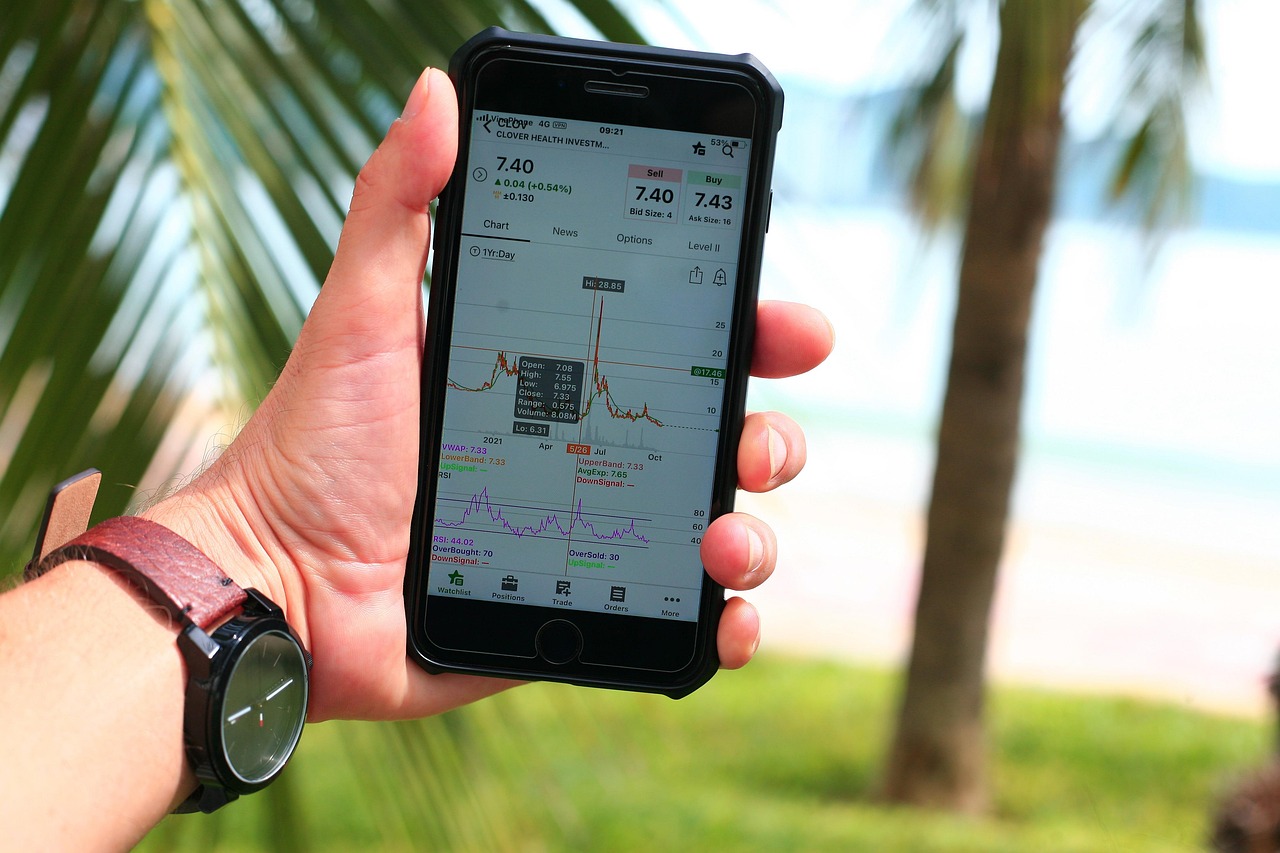
Low trading volume in the stock market can signal a variety of underlying factors. It might indicate a lack of investor enthusiasm, where traders are either waiting on the sidelines or not finding appealing opportunities. This situation often arises during market uncertainty, where news may be sparse or investors are unwilling to take risks. Volume analysis plays a key role in understanding the dynamics behind price movements. When the volume is low, price changes may not reflect true market sentiment, potentially leading to misinterpretation of trends. Awareness of these patterns helps investors make informed trading decisions. Furthermore, low volume can amplify price volatility; in such periods, even small trades can disproportionately affect stock prices. Thus, understanding the correlation between volume and price adds depth to investment strategies. Monitoring volume trends can guide entry and exit points for trades. Recognizing that significant price moves often coincide with rising volume can provide reassurance about the validity of a trend. Investors should remain vigilant during low volume periods and consider employing additional analysis to mitigate potential risks associated with poor trading activity.
Investors can utilize several strategies when navigating low volume conditions to safeguard their investments. One approach is to focus on stocks that typically maintain consistent volume levels, providing more clarity during lower activity phases. Additionally, traders may establish predefined criteria for entering or exiting positions, emphasizing technical indicators rather than merely reacting to price changes. Employing risk management techniques can help mitigate potential losses associated with erratic price fluctuations. Understanding that low volume stocks may offer increased risk, allocating a smaller portion of the portfolio to such trades could be prudent. Furthermore, engaging in thorough research about company fundamentals can provide insights that technical analysis alone may overlook. Investors should prioritize understanding broader economic indicators, upcoming earnings reports, or other relevant news events. This comprehensive approach can help make sense of low volume periods. Additionally, diversifying investments across various sectors may provide a buffer against poor stock performance in low volume environments. Knowing when and how to utilize stop-loss orders can also prove invaluable. Combining these tactics can create a robust strategy that effectively addresses the challenges of low volume trading.
Psychology of Low Volume Trading
Understanding the psychological factors that accompany low volume periods is crucial for investors. Market participants often react emotionally during times of uncertainty, causing low trading volumes to become self-perpetuating. As fear looms large, traders may hesitate in executing trades, leading to even lower volumes. Concurrently, bullish sentiment can rise, causing a paradox where a lack of selling interest leads to stagnant prices. Recognizing these psychological aspects allows investors to adjust their strategies accordingly. Traders often interpret low volume as a signal to refrain from making moves until more definitive trends emerge. However, this delay can sometimes result in missed opportunities. Developing the emotional discipline to navigate these periods is fundamental for long-term success in the market. Cultivating patience and focusing on rational decision-making can empower investors to make choices grounded in research rather than reacting impulsively to market conditions. Moreover, discussions within trading communities can foster a sense of camaraderie, allowing traders to share insights and strategies. Consequently, they can help each other cope with the psychological pressures of low trading volumes, ultimately leading to more informed decision-making.
A comprehensive analysis of historical data can yield insights into how stocks behave during low volume periods. Examining past performance may help investors anticipate possible trends and reactions in similar future scenarios. Historical stock data often reveals that low volume can precede significant price shifts, both upwards and downwards. Identifying patterns or anomalies in the data enhances understanding of underlying market dynamics. This analysis allows traders to recognize potential support and resistance levels more accurately. Focusing on both long-term and short-term historical data can provide a well-rounded perspective. Tables or charts can illustrate these relationships effectively, serving as essential tools to visualize data trends. Analyzing how different sectors respond to low volume conditions can further deepen insights. Investors should seek diversification across varying sectors by understanding their historical performance. Collaborating with financial analysts or subscribing to market research services can augment personal investigations. Access to expert analysis can empower investors with the information needed to create informed strategies. Engaging with platforms that offer comprehensive stock screening tools can also prove beneficial when tackling low volume scenarios in the market.
Impact of External Factors
External factors significantly influence trading volume, and recognizing these elements is essential for market participants. Economic indicators, geopolitical events, and monetary policies can all impact investor confidence, often leading to changes in volume. For example, an impending economic downturn can induce fears that lead traders to withdraw from the market. Similarly, positive news events may drive a sudden influx of buying activity, resulting in increased volume. It is crucial to remain informed about macroeconomic developments, as these variables can directly affect trading behavior. Understanding the implications of Federal Reserve announcements, unemployment rates, or inflation data can provide context for current volume trends. Besides, industry-specific news can either bolster or dampen interest, depending on how it resonates with investors. Monitoring interest rate changes can also help predict shifts in market sentiment. The interconnectedness of global markets means that events overseas may impact local trading volumes. Being mindful of these external influences enables traders to gauge potential volatility and adapt their strategies accordingly. Additionally, investors should consider expanding their knowledge beyond domestic factors to understand the complexities of global market dynamics.
Volume patterns can also serve as a precursor to significant market events, such as earnings reports or product launches. Anticipating these events can assist investors in time their trades more effectively. By studying the historical relationship between volume and price action surrounding these events, traders can determine the most opportune times to enter or exit positions. For example, analysts note that preparing for earnings seasons typically brings heightened volume as investors search for potential alpha. This compressing of expectations could lead to pronounced reactions, as investors respond to reported results. Conversely, periods of wait-and-see can slow volume as traders bide their time. Recognizing these cyclical patterns within the market can grant traders an advantage. Conducting thorough research about upcoming events can reveal potential impacts on trading volume. Incorporating news feed subscriptions and analytical tools into a trading strategy can maximize gains. By staying informed, investors can harness volume dynamics to their advantage. Adapting to changing circumstances while remaining alert to fluctuations in volume can thus enhance overall trading effectiveness and market adaptability.
Conclusion
In conclusion, interpreting low volume periods in the stock market requires a multifaceted approach. Investors who understand the nuances of volume analysis enhance their capacity to make informed decisions, highlighting the importance of adding context to trading activities. The psychological aspects of trading, external economic factors, and historical analyses all contribute to interpreting market conditions effectively. Combining these strategies can enable traders to remain agile in a constantly shifting landscape. Attention to low volume scenarios can unveil hidden opportunities while simultaneously posing risks. The ability to remain patient and disciplined during such periods can lead to long-term success. Engaging with tools and resources unique to each investor’s trading style can aid in effectively navigating challenges presented by these market conditions. Furthermore, cultivating a robust network to share insights and strategies can provide additional layers of understanding. Therefore, establishing a proactive approach to volume analysis allows traders to be better equipped during low trading environments. Emphasizing ongoing education and adaptation remains key to thriving in fluctuating market conditions while minimizing risk.
By applying the principles of volume analysis, traders can cultivate a deeper relationship with stock market fluctuations. This awareness of low volume periods fosters a sense of confidence, enabling informed decision-making that can outlast temporary volatility. Monitoring trading volumes consistently, coupled with a focus on broader economic conditions and fundamentals, creates a holistic approach to market analysis. In this way, investors can become more aware of potential pitfalls whilst being ready to seize favorable opportunities as they arise. In addition, sharing knowledge within the trading community about strategies that work during low volume periods amplifies collective understanding. Through continuous learning and experience-sharing, traders develop a more nuanced comprehension of market intricacies while reinforcing their personal strategies. Ultimately, mastering the interpretation of low volume trading conditions shapes an investor’s journey, catalyzing growth and success in an ever-evolving financial landscape. Investing wisely while recognizing these subtleties creates a platform for achieving long-term financial goals. Hence, traders should remain vigilant and adaptable in the face of changing market dynamics, continually refining their techniques to thrive in low volume scenarios.