
The Future of Day Trading: Trends to Watch
The landscape of day trading is continually evolving, influenced by technology and market dynamics. Investors are increasingly drawn to this style for its potential for quick profits. As trade volume increases, so do the trading strategies employed by traders. In the modern market, the reliance on real-time data has prompted a significant shift toward algorithmic trading. Many traders utilize advanced software that analyzes market data, making split-second decisions based on algorithmic predictions. Moreover, the integration of artificial intelligence is further enhancing the capabilities of trading platforms, presenting endless opportunities. For example, AI can forecast market trends by analyzing historical data. Additionally, social media and online forums are becoming vital for information exchange. Traders share insights that often help shape market movements. Understanding these trends is critical as they provide insights into the intricacies of trading success. As a new trader, stay informed about tools and resources available to optimize your strategies. Incorporating these insights will prepare you for the inevitable fluctuations within the marketplace. Thus, remain adaptable and open to adjusting your approaches as technology evolves.
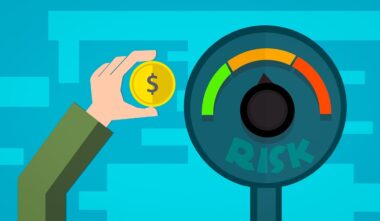
One prominent trend in day trading is the growing emphasis on risk management. Having a comprehensive risk management plan is essential, as this can protect your capital from unforeseen market downturns. Many new traders overlook this crucial aspect, which can lead to significant losses. Strategies such as stop-loss orders allow traders to set predetermined exit points, ensuring no further losses than necessary. Furthermore, leveraging position sizing effectively can help minimize potential losses by controlling the amount of capital you invest per trade. This discipline ensures that any single loss doesn’t undermine your overall portfolio. Diversification is another powerful component of risk management, spreading investments across various assets to reduce exposure to any single market event. Engaging with educational resources, such as online courses and webinars, can equip traders with knowledge and skills to develop robust risk management strategies. Moreover, networking within trading communities allows for shared experiences that enrich your perspectives on effective trading practices. Keeping a trading journal can be insightful, helping systematically analyze wins and losses. Adopting these practices fosters a balanced approach to trading, making you more resilient in this fast-paced environment.
Technological Advancements in Trading
The adoption of modern technologies profoundly impacts day trading dynamics. Online trading platforms now leverage sophisticated tools, allowing traders to execute trades efficiently. Key advancements like high-frequency trading algorithms enable rapid transaction execution, capitalizing on minute fluctuations in asset prices. The speed at which trades are conducted can dramatically affect profitability, highlighting the need for reliable internet connectivity. In addition, mobile applications have transformed trading accessibility, enabling traders to respond to market movements anytime, and anywhere. Cloud computing also plays a vital role, providing traders with flexible storage options for extensive data. Furthermore, utilizing machine learning algorithms helps traders identify patterns and trends, which can refine their decision-making. Virtual reality may become another cutting-edge platform for day trading, allowing investors to visualize data in immersive environments. As day traders adapt to these technologies, they gain a competitive edge over less tech-savvy counterparts. Robust systems can facilitate instant access to market news and analysis, making informed choices easier than ever. However, staying abreast of these technological trends is crucial for emerging traders aiming to remain relevant in an evolving landscape.
Another significant trend shaping the future of day trading is the increasing popularity of social media trading. Platforms like Twitter, Reddit, and various trading forums have become vital resources for traders seeking real-time information and market sentiment. These platforms enable traders to share insights instantly, fostering a sense of community. Retail investors, in particular, have embraced this trend, with groups forming around specific stocks or markets. The infamous GameStop rally exemplifies the power of collective action fueled by social media. This phenomenon showcases how a group of retail investors can impact stock prices dramatically. However, traders must also approach social media signals cautiously, as not all information is reliable. Always verify facts before acting on market trends suggested by online communities. Experienced traders often use a blend of social media insights alongside traditional research. Networking within these online environments can lead to valuable learnings and strategies. Moreover, engaging in discussions may sharpen your understanding of market psychology. Ultimately, striking a balance between social sentiment and analytical evaluation enhances your decision-making process, leading to more profitable trades in an unpredictable environment.
The Role of Behavioral Finance
Understanding behavioral finance is critical for day traders navigating the emotional landscape of trading. Fear and greed often drive market participants, resulting in irrational decision-making that can lead to losses. Familiarizing yourself with common psychological traps, such as loss aversion and overconfidence, can improve your trading strategies. Loss aversion, for instance, drives many traders to hold losing positions longer than they should, hoping for an eventual recovery. Conversely, overconfidence can lead traders to underestimate risks. Recognizing these patterns facilitates better self-control during trading activities. Maintaining a disciplined approach helps counteract emotional responses, ultimately leading to better performance over time. Additionally, understanding the market’s collective psychology is invaluable; being able to gauge market sentiment helps build more effective trading strategies. Utilizing tools for sentiment analysis, such as indicator systems or news sentiment trackers, helps traders make informed decisions. Additionally, joining discussions in trader communities can provide insights into prevailing market emotions. The balance between analytical rigor and psychological understanding establishes a strong foundation for consistent day trading success. Embracing behavioral finance principles prepares traders to approach the market with greater clarity and strategically.
Regulatory changes also play a crucial role in shaping the day trading environment. Factors such as trading commission fees, margin requirements, and short-selling regulations can all impact traders’ approaches. Recent years have witnessed growing legislative scrutiny of retail trading practices, particularly involving high-stakes investments. For example, brokers are now subject to more stringent regulations aimed at protecting individual investors. Additionally, an increase in government oversight of trading platforms can lead to more transparency. While these regulations are meant to safeguard retail traders, they can also present hurdles, making it essential to stay informed about upcoming changes. Adapting your strategies in response to these regulations is essential for long-term success. Many traders have already shifted towards commission-free platforms, creating intense competition among brokerages. Therefore, choosing a brokerage that aligns with your trading style and preference is critical. Participating in webinars hosted by regulatory authorities can provide valuable insights. The evolving regulatory landscape requires traders to be adaptable and well-informed, striving to comply while optimizing performance. Keeping abreast of changes will not only help you dodge potential pitfalls but also seize new opportunities in the trading landscape.
Conclusion: Preparing for the Future of Day Trading
As day trading continues to evolve, embracing emerging trends becomes increasingly important for traders seeking success. With advancements in technology, the rise of social media, and the influence of behavioral finance, traders face both challenges and opportunities. Committing to lifelong learning ensures you stay ahead of the curve. Incorporate educational resources, engaging with expert opinions, and analyzing market sentiments can provide critical insights. Moreover, effective risk management strategies cannot be overstated; these foundational elements underpin your trading success. Optimize your trading routine by integrating robust analysis tools, remaining flexible in your approach. Adapting to regulatory changes lays the groundwork for sustainable growth in your trading journey. Building a strong network with other traders can facilitate knowledge sharing that ultimately benefits everyone. By leveraging social media wisely, one can harness collective knowledge while maintaining a disciplined approach to trading. In summary, the future of day trading is vibrant and evolving; seizing opportunities requires active engagement and adaptability. Positioning yourself as a knowledgeable and adept trader will ensure success while navigating an intricate landscape filled with potential pitfalls and rewards.