
Best Practices for Endpoint Security in the Finance Sector
In the finance sector, safeguarding sensitive information is paramount due to the shared vulnerabilities inherent in technology. Organizations must prioritize endpoint security to mitigate risks. Adopting a layered security approach is vital, combining firewalls, antivirus software, and intrusion detection systems. Regular software updates further enhance protection by addressing vulnerabilities. Additionally, employing data encryption ensures sensitive information remains secure when it’s stored or transmitted across networks. Security measures must also extend to employee training and awareness about phishing attacks, malware, and social engineering techniques. Endpoint devices such as laptops, smartphones, and tablets should have strong, unique passwords and two-factor authentication enabled to add an extra layer of security. Incorporating device management solutions can help track and manage all endpoints, ensuring compliance with security policies. Implementing strict access controls, limiting employee access to sensitive information based on their role, is essential. Lastly, organizations should establish an incident response plan to effectively respond to data breaches and cyber threats. Regular performance evaluations of security measures can further maintain robust security protocols in the constantly evolving digital landscape of finance.
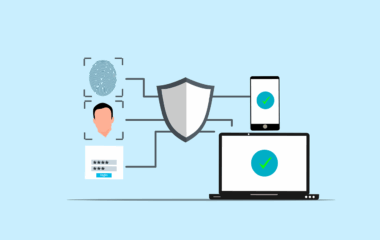
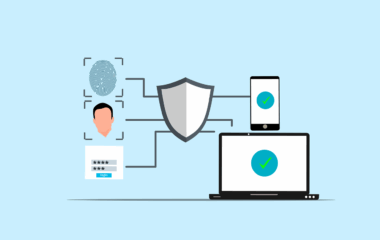
The financial sector faces relentless cybersecurity challenges that evolve continually. With increasing numbers of threats targeting endpoint devices, organizations must remain vigilant. Conducting routine risk assessments helps identify potential vulnerabilities within the network and endpoint devices. The implementation of endpoint detection and response solutions is crucial for identifying malicious activities in real time. Organizations should also leverage threat intelligence tools to keep abreast of emerging threats and their tactics. Regular audits and assessments can help ensure compliance with industry regulations such as PCI-DSS and GDPR. Password management is another critical aspect of endpoint security; using password managers can enhance overall security posture and promote the use of strong passwords. Biometric authentication measures, such as fingerprint scanners or facial recognition, can enhance security protocols. It’s also vital to establish security policies that outline acceptable usage of devices in the workplace. Enforcing policies that restrict the use of personal devices for work-related activities can mitigate security risks. Finally, periodic employee training sessions can boost awareness about new threats, ensuring that all team members are equipped with the knowledge necessary to tackle evolving challenges.
Implementing Advanced Security Technology
Integrating advanced security technologies is vital for enhancing endpoint security in finance. Utilizing Artificial Intelligence (AI) and Machine Learning (ML) can drastically improve the detection of anomalies indicative of potential breaches. AI can analyze user behavior and identify deviations from normal patterns, triggering alerts. Furthermore, employing secure access service edge (SASE) architecture can merge networking and security functions into a single cloud-delivered service. Such implementations also optimize user experiences while maintaining robust security protocols. Regular penetration testing simulates cyberattacks, allowing organizations to identify and remediate vulnerabilities proactively. Moreover, utilizing blockchain technology for transaction records ensures data integrity and transparency, particularly when processing sensitive financial information. It’s imperative to regularly update and patch software to defend against known vulnerabilities effectively. Endpoint security solutions should incorporate threat hunting capabilities to proactively seek out hidden threats within the systems. Multi-factor authentication (MFA) should be mandatory for all endpoints, especially for accessing sensitive financial data. Organizations that invest in comprehensive endpoint security strategies can significantly reduce the risk of data breaches, ensuring the protection of their assets and client information.
Data breaches can have catastrophic consequences for financial institutions, including reputational damage and substantial fines. To mitigate these risks, organizations must prioritize the implementation of a zero-trust security model. This approach assumes that no device is trustworthy and requires continuous verification of user access. Deploying micro-segmentation can further enhance security by isolating critical applications and data from endpoint devices, hindering unauthorized access. Continuous monitoring of network traffic ensures timely detection of suspicious activity, which can help in identifying breaches before they escalate. Furthermore, organizations should prioritize creating a comprehensive incident response plan tailored to endpoint security incidents. Establishing clear roles and responsibilities within the team can accelerate response times during a breach. Conducting regular tabletop exercises can prepare teams for potential cyber incidents, improving overall readiness. Additionally, collaborating with cybersecurity experts can provide organizations with insights into current threats and effective countermeasures. Compliance with security standards and regulations keeps institutions accountable and helps guide security measures. By adopting a proactive stance and prioritizing data security, financial organizations can navigate the complexities of the modern threat landscape.
Employee Training and Awareness
Continual employee training is crucial for safeguarding financial services from cyber threats associated with endpoint devices. Cultivating a culture of security awareness can significantly reduce the chances of a security breach due to human error. Regular workshops and training sessions should cover topics such as identifying phishing emails, safe browsing practices, and the importance of strong password management. Role-based training can provide tailored security education relevant to employees’ specific functions within the organization. Moreover, implementing simulated phishing attacks can test employee readiness and help identify areas needing improvement. Encouraging direct communication regarding security concerns among employees fosters a collaborative approach to maintaining security. Organizing security awareness campaigns can remind employees of best practices and highlight the importance of vigilance in everyday activities. Providing easy access to resources, such as security guidelines and reporting channels for suspicious activities, empowers employees to take proactive steps in safeguarding information. Furthermore, including security topics in onboarding procedures can set the right tone for new hires. Ultimately, equipping employees with the knowledge and skills to identify risks bolsters organizations’ overall security framework.
Disposing of financial devices poses unique challenges and proper practices must be established. Organizations often upgrade or retire devices without implementing secure elimination strategies. Data destruction methods, including wiping, degaussing, or physical destruction, ensure sensitive information cannot be recovered. Utilizing certified data destruction services can further ensure compliance with regulatory requirements while providing peace of mind. Establishing guidelines for device disposal should be documented in organizational policies, detailing steps to take when devices reach end-of-life status. Additionally, conducting audits of devices before disposal can minimize the risk of sensitive data exposure from improperly discarded hardware. Creating a hardware inventory with regular reviews ensures tracking all devices, enabling a more organized disposal process. Collaboration with IT and compliance teams further refines clarity on data handling procedures during disposal. Secure recycling options should always be utilized to minimize environmental impact while maintaining data security. Regularly discussing the importance of secure disposal during employee training reinforces accountability. Furthermore, leveraging technology that enables easy reporting on device status can promote proactive management. By establishing thorough disposal policies, the risk of unintended data breaches from discarded devices can be mitigated effectively.
Conclusion and Future Trends
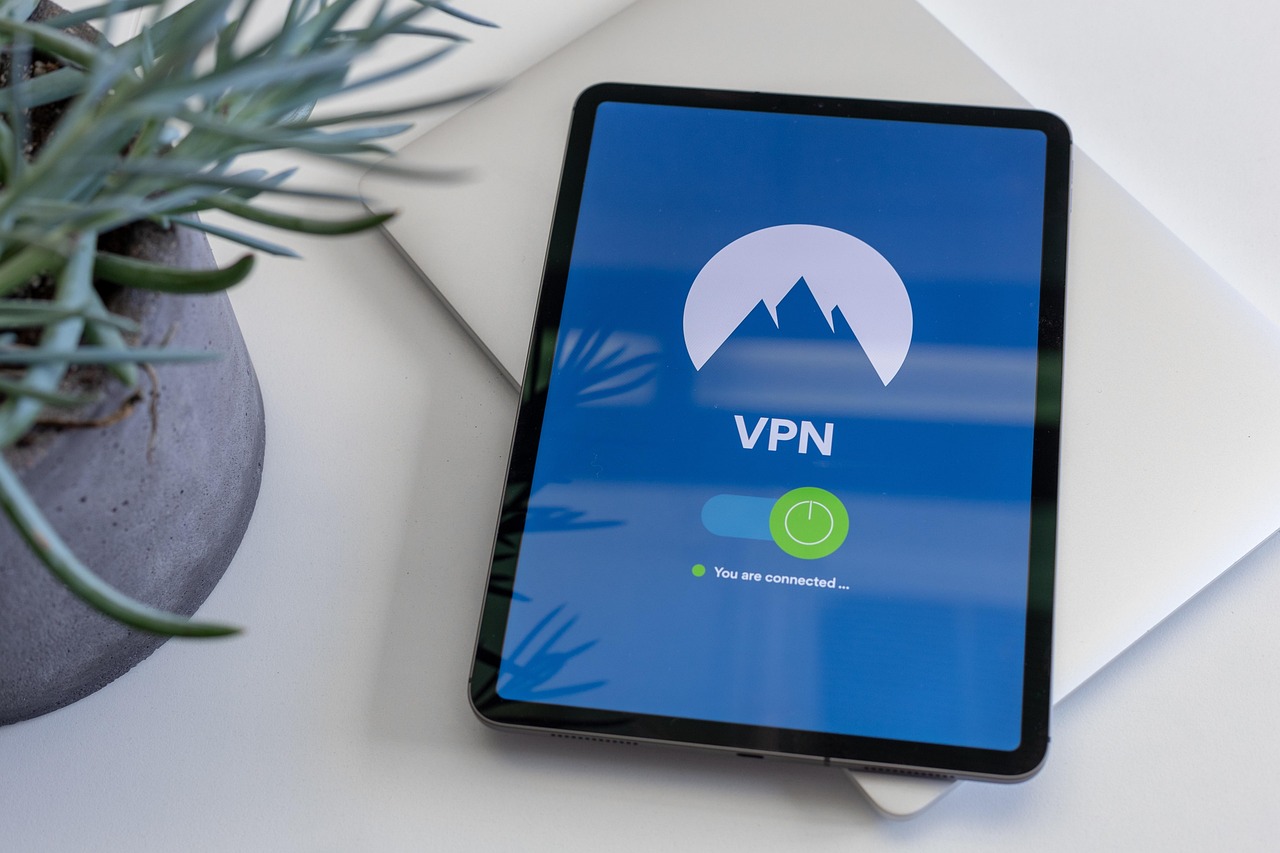
The ever-evolving threat landscape requires financial organizations to remain adaptive in their endpoint security measures. Continuous innovation in cybersecurity practices is essential, as attackers constantly devise new strategies. Emerging technologies such as quantum encryption and decentralized security models can significantly enhance data protection capabilities. Additionally, organizations must remain compliant with evolving regulations and industry standards, adapting their processes to meet new requirements. Incorporating cybersecurity frameworks like NIST and ISO can help streamline efforts towards developing robust security protocols. Collaborating with cybersecurity firms can help organizations stay ahead of emerging threats through proactive measures. Furthermore, leveraging trailblazing technologies such as artificial intelligence can facilitate automation in monitoring and incident response. As remote work becomes more prevalent, securing connections through Virtual Private Networks (VPNs) and ensuring endpoint protection for remote devices should remain priorities for organizations. Regular evaluations of security posture are crucial for identifying potential vulnerabilities. Fostering a culture of security where everyone plays a part in maintaining security will contribute significantly to resilience against cyber threats. By prioritizing endpoint security, financial organizations can protect their assets while ensuring customer trust and confidence.
Organizations need to invest significantly in both technology and human resources for optimum endpoint security. Providing employees with the tools and knowledge needed to protect sensitive information ultimately safeguards the financial institution’s reputation and integrity. As cyber threats grow more complex, building a comprehensive strategy that prioritizes endpoint security is essential for all finance sector players.