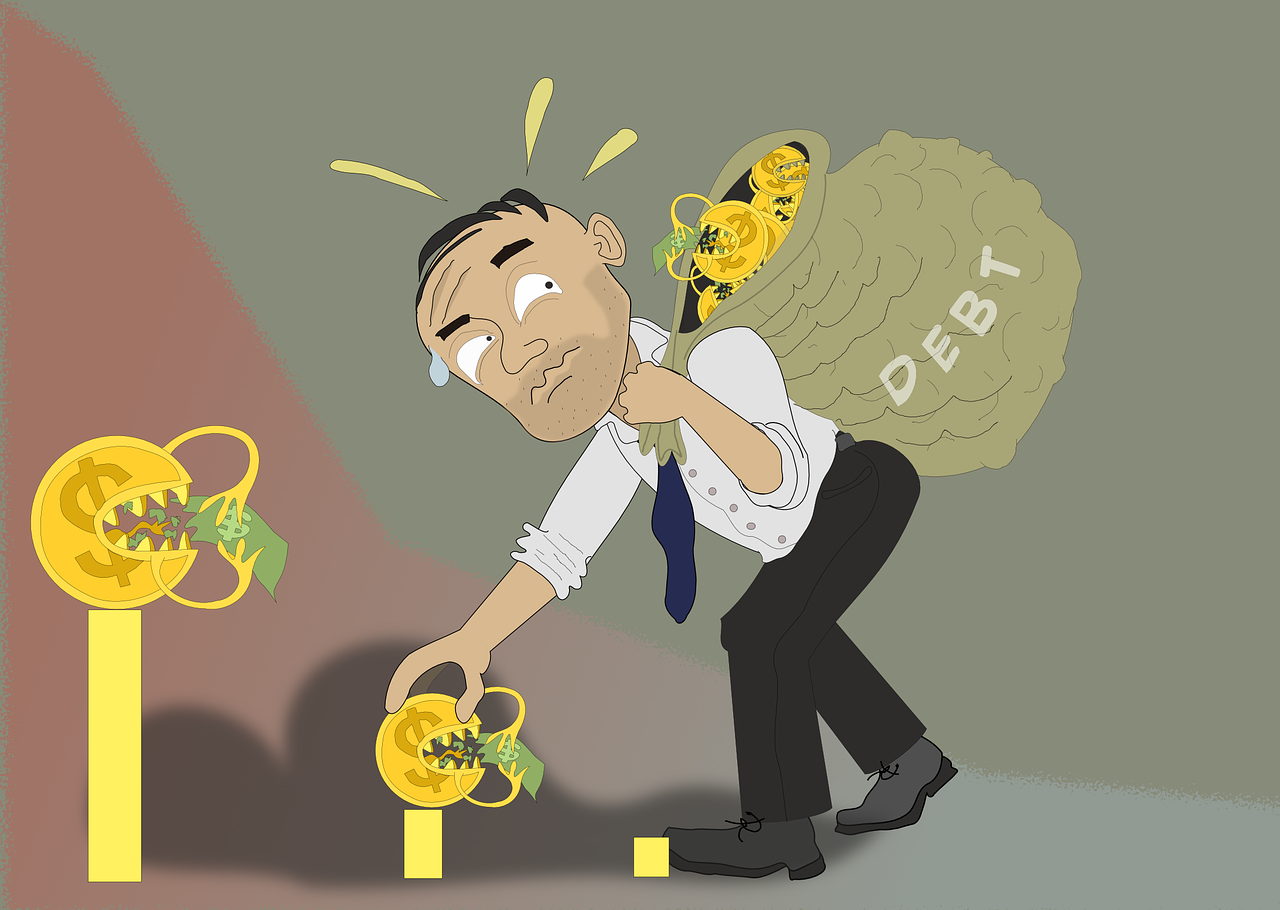

Understanding Debt Relief Options Available to Consumers
Debt can often feel overwhelming, particularly for consumers struggling to manage their financial obligations. Understanding the various debt relief options available can empower individuals to take control of their financial futures. Several methods offer relief, including debt settlement, debt consolidation, and bankruptcy. Each method has unique implications for credit scores and overall financial health. Debt settlement involves negotiating with creditors to reduce the overall debt amount, which can provide significant savings but may also negatively impact credit ratings. On the other hand, debt consolidation combines multiple debts into a single loan, simplifying payments and potentially lowering interest rates. Bankruptcy, while a last resort, can eliminate certain debts entirely but comes with long-lasting effects on credit. It is essential for consumers to evaluate each option carefully and consider consulting with a financial advisor before making decisions. An informed choice can lead to a successful debt resolution and pave the way for rebuilding financial stability. Understanding these debt relief avenues is vital for anyone looking to improve their financial situation effectively.
Factors such as income levels, the amount of debt, and personal financial goals play a crucial role in determining the best approach to debt relief. Consumers must assess their unique circumstances and decide whether they qualify for specific programs or services. This assessment helps understand the trade-offs associated with each option, allowing the individual to choose the best path forward. For instance, a consumer with significant assets but high debt might look into Chapter 13 bankruptcy, which allows them to restructure their debts while keeping their assets. Alternatively, someone with minimal assets may benefit more from Chapter 7 bankruptcy, which includes liquidation. Additionally, consumers can engage in credit counseling, which provides valuable advice and tools for managing debt. These counselors can help design a tailored repayment plan that considers the individual’s financial realities. They may also assist in negotiating terms with creditors—a key step toward debt resolution. It is important for consumers to be cautious of scams and ensure that the services they engage are legitimate and reputable. Doing research on potential resources is crucial to effective debt management.
Exploring Debt Settlement Options
Debt settlement can seem appealing to those in financial distress, as it provides an opportunity to reduce overall debt. This option typically involves negotiating directly with creditors or utilizing a settlement service to lower the total amount owed. However, consumers must be aware that this approach can lead to tax liabilities on forgiven debt and can negatively impact credit scores temporarily. When a portion of the debt is forgiven, the IRS may classify that as taxable income. Thus, understanding the potential consequences is essential before pursuing this route. Furthermore, consumers should only engage with accredited and trustworthy debt settlement companies. Researching reviews and ratings can help identify legitimate services. It is critical for individuals to understand fees associated with these services and what they can reasonably expect as an outcome. While a successful debt settlement can offer immediate financial relief, it often requires dedication and may take several months to years to achieve. Creating a realistic timeline and maintaining open communication with creditors is necessary for this approach to be effective.
Debt consolidation is an alternative method that can simplify repayment and possibly reduce costs over time. By combining various debts into a single loan, individuals can benefit from a lower interest rate and one monthly payment instead of multiple bills. This strategy often requires good credit to secure favorable loan terms, so consumers should consider improving their credit score if necessary before pursuing consolidation. Additionally, several forms of debt consolidation exist, such as personal loans, balance transfer credit cards, or home equity loans. Each option carries different risks and benefits, including fees and collateral requirements. Consumers must compare their options and determine which form of consolidation best aligns with their financial goals. It may also include consulting a financial advisor or a credit counselor to seek advice tailored specifically to one’s financial circumstances. Ensuring financial literacy is essential in making informed decisions when navigating debt. Remaining disciplined and adhering to the new payment plan will be crucial to establishing a more secure financial future. Keeping track of progress and celebrating milestones can help maintain motivation.
Understanding Bankruptcy Implications
Bankruptcy is often seen as a last resort but offers consumers a way to escape overwhelming debt when other solutions fail. It’s vital to understand that bankruptcy can have long-term consequences on an individual’s credit and financial future. Filing for bankruptcy can stay on credit reports for up to ten years, significantly impacting the ability to secure future loans or credit. Consumers need to understand what types of debts can be discharged through bankruptcy, such as unsecured debts like credit card bills or medical expenses. Secured debts, like mortgages or auto loans, may not be discharged but can be restructured under certain bankruptcy chapters. After filing, consumers can attempt to rebuild their credit by adhering to strict financial practices, such as paying bills on time and managing new credit responsibly. While this process is undoubtedly challenging, it provides a pathway for a fresh financial start for many individuals. Consumers should investigate local laws regarding bankruptcy to ensure they understand their rights and obligations under the system.
Another critical aspect of effective debt management involves the importance of establishing a budget and financial plan to prevent recurring debt issues. Once consumers have engaged in debt relief measures such as settlement, consolidation, or bankruptcy, it is essential to learn how to manage their finances to avoid falling back into debt. Creating a realistic budget that reflects income and expenses can serve as the foundation for better financial habits. Regularly reviewing and adjusting the budget helps identify areas for improvement and potential savings. Additionally, building an emergency fund should be prioritized, as this can mitigate the need to incur debt in unforeseen circumstances. Consumers must also focus on increasing financial literacy by exploring various resources, attending workshops, or engaging with financial advisors. Understanding personal finance concepts such as interest rates, investment options, and savings strategies empowers individuals to make informed long-term decisions. This proactive approach can lead to sustainable financial health, enabling consumers to meet financial goals. By being diligent and informed, individuals can continue to build positive credit experiences.
Conclusion: Empowering Financial Choices
Understanding the available debt relief options is crucial for consumers seeking to regain control over their financial lives. Each method—debt settlement, consolidation, or bankruptcy—offers unique advantages and challenges that individuals must weigh carefully. With the proper guidance and informed decision-making, consumers can navigate their financial journey more effectively and choose paths that align best with their current situation and future goals. Should they encounter obstacles along the way, resources such as nonprofit credit counseling agencies can provide invaluable support and services in navigating the complexities of debt management. With continued dedication to managing expenses and improving financial literacy, individuals can gradually rebuild their credit and secure a more stable financial future. Establishing a proactive approach to financial management will not only help avoid potential pitfalls but also foster resilience in the face of financial challenges. Ultimately, making empowered choices today will pave the way for brighter economic prospects tomorrow.
In conclusion, understanding debt management and exploring available options can significantly impact consumers’ financial futures. Actively engaging in strategies such as debt settlement, consolidation, and bankruptcy, as well as embracing a disciplined budgeting practice, can facilitate financial recovery. Awareness of the implications of each method allows individuals to make well-informed decisions that improve their circumstances. Pursuing resources and professional advice can further empower consumers, helping them explore viable paths towards achieving their financial goals. Fostering a growth mindset regarding finances and accepting that setbacks are part of the journey can nurture resilience and adaptability in managing future financial challenges effectively. By cultivating healthy financial habits and making informed decisions, individuals can gradually regain control over their financial well-being. With patience and commitment to consistent progress, it becomes possible to move beyond debt and toward a brighter tomorrow. Sharing knowledge about debt management with others can also inspire positive change within families and communities, creating a ripple effect of financial empowerment. Ultimately, consumers hold the power in their hands to make choices that will lead to enduring financial health and stability.