
How to Choose the Right Accounting Software for Your Small Business
Choosing the right accounting software for your small business is crucial for efficiency and accuracy. With numerous options available, the decision-making process can seem overwhelming. Start by assessing your business needs. Consider key functionalities you require, such as invoicing, expense tracking, and financial reporting. Additionally, think about the number of users who will access the software. Understanding your unique requirements will help narrow down the right solutions for your business. Evaluate the pricing structure of different software, comparing monthly subscriptions versus one-time payments. Look for a software that offers a free trial so you can test before you commit. Security features are equally important; ensure the software provides data encryption and reliable backup options to protect sensitive information. Customer support is vital too; reliable assistance can save you time and stress when issues arise. Finally, read reviews and testimonials from other small business owners to gauge their experiences with specific software. This can provide insight into usability and functionality, making your decision easier. Take your time; the right choice can streamline your financial processes and contribute to the growth of your business.
Once you have settled on a shortlist of accounting software options, the next step should involve a closer comparison. Look into whether the software can integrate with other tools and systems your business already uses. This ensures a smoother workflow and reduces the redundancy of manual data entry. Keep an eye on scalability as well; the software should be able to grow with your business as your accounting needs evolve. Explore the available reporting features next; robust reporting capabilities can provide you with valuable insights into your finances. Choose a system that offers customizable report formats, making it easier to analyze specific aspects of your business’s financial health. Watch out for any hidden costs, such as fees for additional features or services. It’s essential to ensure that you are fully aware of the total cost of ownership. Also, pay attention to user-friendliness; software that is too complex can hinder productivity and lead to confusion. Choose a tool that is intuitive and has straightforward navigation, minimizing the learning curve. Ultimately, taking these factors into consideration will help find software that meets your small business’s financial management needs.
Another important aspect to consider is customer support and training associated with the accounting software. Look for a provider that offers comprehensive resources, including tutorials, FAQs, and even live chat options for immediate assistance. Quality customer support can be a lifesaver when issues or questions arise, helping you navigate challenges effortlessly. Additionally, consider the availability of online forums or communities related to the software. These can be invaluable for networking with other users and sharing experiences. Furthermore, many accounting software programs offer dedicated training modules. Completing these can speed up your understanding and help maximize the software’s features. Remember that proper training is crucial to avoiding costly mistakes. Also, check for updates and enhancements provided by the software company. Ongoing upgrades are essential for security and functionality, so a reputable provider should have a commitment to continuous improvement. Carefully reviewing this support aspect can determine your overall satisfaction with the software. Do not hesitate to reach out to customer service during your research phase to gauge their response time and helpfulness. This preliminary interaction can be a good indicator of future support experiences.
Assessing Compatibility with Your Business
When selecting accounting software, confirm that it is compatible with your business model and structure. Certain industries might have distinct accounting needs, so a one-size-fits-all approach may not work effectively. Investigate industry-specific software that may cater to your niche, offering features specifically designed for your sector. For instance, if you’re in retail, features like inventory management may be essential. Understanding how the software works with your business model can enhance efficiency and accuracy. Evaluate how the software handles transactions, facilitates invoicing, and tracks expenses relevant to your specific operation. Another consideration is the accessibility of the software. Will it be cloud-based or installed locally? Cloud-based software offers flexibility, allowing access from multiple devices anywhere with an internet connection, ideal for business owners on the go. Think carefully about your preferred access method and whether the software accommodates your style. Finally, don’t forget to investigate mobile applications if you require access while away from the office. This can be particularly advantageous for small business owners always on the move, needing quick access to vital financial information.
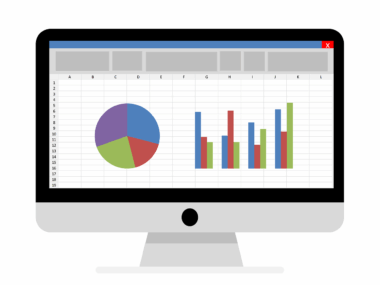
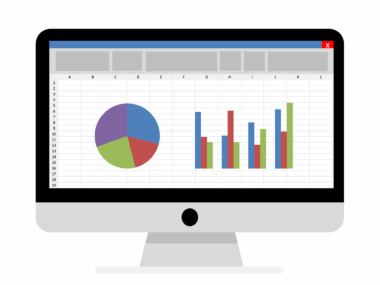
Furthermore, consider evaluating the reporting capabilities that each software solution provides. Effective reporting not only allows for easy tracking of income and expenses but also aids in making informed decisions for the future. A good accounting software should come equipped with pre-configured reports and the ability to create custom ones based on the metrics most relevant to your business. Deciding on the key performance indicators (KPIs) you want to track can help identify the best software options suitable for your needs. Look for software that generates reports in real-time, providing current financial insights that can guide day-to-day decisions and long-term planning. Moreover, the ability to easily export reports to PDF or Excel can save you time and facilitate sharing with partners and advisors. Understand the depth of the reports you need; financial statements should be comprehensive yet easy to interpret. Some software even provides graphical representations of data, making it more digestible for anyone reviewing it. Analyze how well different software offerings fit into your reporting requirements to ensure your choice will meet ongoing informational needs as your business grows.
Security is paramount when dealing with financial data, making it a fundamental aspect when choosing accounting software. Ensure that the software provider prioritizes data security, employing robust measures such as encryption and regular backups. This protection is crucial to safeguarding your sensitive financial information against unauthorized access or data loss. Additionally, verify if the software complies with accounting standards and regulations; maintaining compliance protects your business from potential penalties. Inquire about how often the software undergoes security audits as well. Reliable vendors will perform regular assessments to identify vulnerabilities. Consider the platform’s reliability as well; look for software with minimal downtime and a good reputation for consistently delivering service. Always read user reviews that touch on security experiences and incidents. Such insights will empower you to make an informed decision. Remember, while considering functionality is essential, compromising security concurrently is not worth any possible gain in usability. Prioritize systems with a strong track record to ensure the best protection for your financial data in this digital age.
Final Considerations and Recommendations
In conclusion, choosing the right accounting software for your small business is a decision that involves careful consideration of numerous factors. After thorough research and comparisons, make a list of preferred software that meets your unique needs and budget. A systematic approach will ensure no critical elements are overlooked in the decision-making process. Don’t hesitate to reach out to vendors to ask for demos or trials; this hands-on experience can provide insights that spec sheets cannot. Engage with other small business owners, sharing their experiences with software to help finalize your choice. Remember, the goal is to select an accounting solution that streamlines processes, promotes accuracy, and ultimately contributes to the success of your business. Lastly, never choose a software that doesn’t allow you to scale with your business growth. As your business expands, so too should your accounting software’s capabilities to match your evolving needs. A well-chosen accounting software can lay a vital foundation for effective financial management, enabling your business to thrive in a competitive landscape over time.
Always stay updated with advancements in accounting software; this technology rapidly evolves and may introduce innovative features that could benefit your operations. Subscribe to industry newsletters or join relevant online forums where updates and news regarding accounting software are frequently discussed. This can keep you informed about the latest offerings and changes in services. Additionally, maintain a relationship with your selected software provider. Participating in user communities or feedback sessions can lead to improvements in the software that you may enjoy. As small business owners, longevity is essential; the right accounting software can save you precious time that you can direct toward growth initiatives. Embrace this technology as an ally in your journey. Take stock of where your business stands financially, examining current processes to determine the effectiveness of your accounting solution. Regularly assessing performance against your business goals can ensure that your software continues to meet your high standards. With the correct approach and thorough consideration of all factors, you will be well-equipped to select an accounting system that supports your small business objectives and ambitions, paving the path for future success.