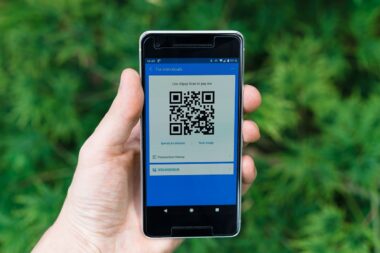

How Tokenization Supports Digital Payment Innovations
Tokenization has emerged as a vital technology in the realm of digital payments, providing enhanced security while facilitating seamless transactions. Its primary function is to replace sensitive payment information, like credit card numbers, with non-sensitive equivalents known as tokens. This process minimizes the risk of data breaches and unauthorized access during transactions. The adoption of tokenization has transformed how businesses and consumers interact, leading to greater trust in online payment systems. By ensuring that real card details are not transmitted during transactions, fraud is significantly reduced. Moreover, tokenization complies with stringent regulatory frameworks such as PCI DSS, helping organizations meet legal requirements. This compliance is crucial for businesses handling sensitive customer information, as it safeguards their reputation. As digital wallets and contactless payments grow in popularity, tokenization will continue to play a critical role. Its implementation encourages innovative payment solutions, enabling merchants to offer secure and efficient services to their customers. As financial technology continuously evolves, tokenization ensures customers feel safe making transactions online, thus driving the growth of digital payment platforms.
In the context of digital payments, tokenization offers numerous advantages. It fosters the development of advanced payment systems that rely on technology to create a more secure and convenient user experience. With tokenized systems, users can make purchases without exposing sensitive payment data. Such systems use unique tokens for each transaction or merchant, making it nearly impossible for malicious entities to capture useful information. This level of security resonates well with consumers who are increasingly aware of cyber threats. As people become more concerned about their privacy, tokenization addresses these issues effectively. Furthermore, tokenization enhances user experience by streamlining checkouts. Consumers can save time and effort through digital wallets that store tokens instead of actual card information. This speeds up the buying process while providing peace of mind. Businesses, in turn, benefit from lower rates of cart abandonment as customers feel safer transacting. The positive implications of tokenization on user behavior continually demonstrate its value in propelling digital payment innovations. As more companies adopt this technology, customers will increasingly enjoy the dual benefits of security and convenience in their digital transactions.
The Future of Tokenization in Payments
Tokenization is set to influence the future landscape of digital payments significantly. As new technologies like blockchain, artificial intelligence, and machine learning gather momentum, tokenization will serve as a cornerstone, enabling advanced solutions. Blockchain technology, for instance, utilizes tokens to ensure secure transactions and smart contracts, which can revolutionize payment processes across sectors. Leveraging tokenization alongside blockchain increases overall trust in digital transactions by ensuring transparency and security. Moreover, innovations such as open banking and real-time payments are on the rise, which will further integrate tokenization into daily transactions. By allowing consumers instant access to their funds, tokenization ensures that sensitive payment details remain protected. Additionally, the growing trend of subscription services has amplified the need for secure recurring transactions. Tokenization facilitates this process while maintaining compliance with security standards. As a result, businesses looking to enhance user experience while adhering to regulations will increasingly utilize tokenized payment systems. This collaboration will drive further innovation in the digital payments landscape, fostering creativity and adaptation among payment service providers.
For merchants, adopting tokenization not only secures transactions but also enhances customer loyalty by building trust. Consumers become loyal to brands that guarantee their security and privacy, proving that tokenization ultimately contributes to long-term business relationships. Among the strategies to foster loyalty are personalized promotions and tailored customer experiences. Tokenization enables businesses to analyze tokenized transaction data while ensuring client payment information remains confidential. The insights gathered from this data can enhance target marketing, improve service offerings, and streamline customer experiences, which is essential in today’s competitive landscape. Furthermore, as mobile commerce expands, the necessity for secure and swift payment solutions will only increase. Tokenization will play an integral role in accommodating this wave, as mobile wallets need the protection that tokens provide when conducting transactions. Businesses that embrace tokenization will find themselves equipped to handle the dynamic changes in consumer preferences and technology advancements. By focusing on security through tokenization, these businesses can reinforce their market position and thrive in the evolving digital payment ecosystem.
Challenges and Considerations
Despite its numerous benefits, tokenization in payments is not without challenges. Organizations must implement suitable infrastructure to manage the transition to tokenized systems effectively. This process often involves planning and deploying secure systems, which can be resource-intensive. Additionally, an organization’s existing technological ecosystem may not support seamless token integration. Businesses need to assess their current systems and seek professional expertise during implementation. Education and training for employees are equally vital for a successful rollout. Employees must possess a comprehensive understanding of tokenization and its benefits, ensuring a smooth transition. Furthermore, tokenization relies on advanced encryption techniques, which should be regularly updated to withstand emerging threats. Security measures must adapt to keep ahead of cybercriminals, as they are continuously developing new tactics. Regular audits and assessments are essential to maintain compliance while identifying vulnerabilities. Additionally, organizations need to communicate effectively with customers about the changes that tokenization brings. Educating customers on the advantages of tokenized payments ensures their engagement and builds trust. Despite the obstacles, organizations that succeed in implementing tokenization can significantly enhance their digital payments landscape.
The integration of tokenization within digital payment solutions requires collaboration among stakeholders. Payment service providers, banks, and merchants must work together to ensure token standards are established and followed throughout the ecosystem. This collaboration includes sharing expertise and resources to support industry-wide adoption of tokenization. Development of formal standards will help streamline systems, bolstering security and interoperability as token-based transactions proliferate. Cooperation is essential as various payment platforms emerge, aiming to unify tokenization practices regardless of the technology used. Such an initiative will enable consumers and businesses to transact confidently, knowing their data is secure. Additionally, regulators must step in to facilitate clear guidelines and compliance measures surrounding tokenization. Being proactive in creating regulations surrounding tokenization fosters a safe environment for all stakeholders. More importantly, it ensures widespread acceptance by consumers who remain critical of digital payment systems. By working as a cohesive unit, all relevant players can realize the full potential of tokenization in securing and enhancing digital payments. The resulting innovations will provide a compelling financial advantage to both providers and consumers alike.
Conclusion: A Secure Payment Future
In conclusion, tokenization plays a key role in shaping the future of digital payments. As organizations confront growing cyber threats and changing consumer expectations, adopting tokenized systems becomes increasingly vital. By prioritizing security through tokenization, businesses can create a safer environment for transactions and promote user confidence. The advantages, including reduced fraud risks and improved customer loyalty, further emphasize the necessity of this technology. Digital payment innovations driven by tokenization promise to reshape not only consumer interactions but also the broader financial landscape. Companies that invest in tokenization will be positioned to thrive in a competitive marketplace by safeguarding their customer’s data. Furthermore, as technology evolves, the integration of tokenization into various payment platforms will enhance overall transaction experiences, ushering in a new era. The collaboration among stakeholders in the payment ecosystem ensures that tokenization’s full potential can be harnessed, providing secure solutions across numerous sectors. The ongoing evolution of digital payments, driven by tokenization, highlights the commitment to protection, privacy, and progress in financial transactions.
As the world witnesses the advancement in payments technology, tokenization’s influence is bound to grow. The push for secure, rapid payment solutions reflects an undeniable market demand. Organizations that embrace tokenization will not only enhance payment security but also position themselves as leaders in the digital payment ecosystem. By focusing on adapting their services to meet customer expectations and regulatory standards, businesses will likely thrive in this evolving landscape. As tokenization becomes a standard practice, the positive repercussions on consumer trust can yield impressive benefits. The synergy between tokenization and emerging technologies will drive innovations that lead to even more secure and effective payment solutions. Ultimately, businesses adopting tokenization stand to benefit from improved operational efficiency and reduced fraud levels while enjoying the enhanced confidence of their customers.