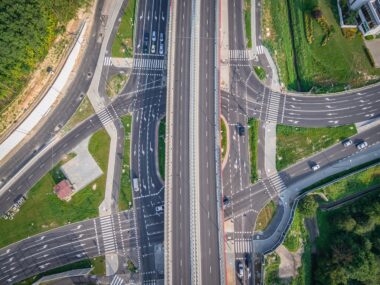

The Relationship Between Transport Infrastructure and Property Values
Transport infrastructure plays a significant role in shaping property values. The presence of adequate roads, railways, and public transit systems can greatly impact the desirability of a location. When well-developed, these systems enhance accessibility, making properties nearby more attractive to both residents and investors. Additionally, improved connectivity fosters economic development and trade, leading to increased demand for local real estate. On the other hand, a lack of infrastructure can deter potential buyers and cause property values to stagnate or decline. As cities expand, urban planners recognize that efficient transport systems are vital for sustainable growth. Furthermore, properties within proximity to major transport links often command premium prices. They offer convenience and reduced travel times, factors that are becoming increasingly important to potential homeowners. Studies have shown that amenities such as public transport accessibility positively correlate with higher property valuations. Therefore, investments in transport infrastructure not only contribute to economic vitality but also enhance the overall attractiveness of communities. Ensuring robust transport networks remains essential for maintaining property value and encouraging continuous urban development in a rapidly changing economic landscape.
Research indicates that the type of transport infrastructure influences property values differently. Areas serviced by high-speed rail often see substantial increases in property values compared to those with only basic road access. The introduction of a metro line can elevate property values significantly within its vicinity, sometimes exceeding 20% in the first few years after completion. This phenomenon occurs due to the perceived benefits of greater accessibility and reduced commuting times for residents. Conversely, properties situated near busy roads or transport hubs may experience a depreciation in value due to noise and pollution. These environmental factors can diminish an area’s appeal, leading potential buyers to seek quieter, more serene locations. Moreover, the development of cycle paths or pedestrian-friendly infrastructure contributes to amenities that attract buyers focused on sustainability and health. Recent trends indicate a shift in buyer preferences toward eco-friendly transportation methods. Consequently, urban development should consider integrating transport infrastructure with residential and commercial planning. When transport options align with community needs, both property values and urban livability can enhance. Therefore, balancing transportation-related benefits against potential downsides remains crucial for successful urban economics and property management.
The Economic Implications of Transport Infrastructure Development
The impact of transport infrastructure on property values extends into broader economic discussions. Improved transport systems can stimulate local economies by attracting businesses and residents alike. To comprehend this relationship, it is vital to consider factors like population growth, employment opportunities, and accessibility to markets. Areas with robust transport networks tend to see business operational costs decline, leading to an influx of investment. This investment can result in new developments, enhancing local job markets and contributing to rising property demand. The circular nature of this relationship showcases how improvements can lead to increased tax revenues for cities, allowing reinvestment into further infrastructure enhancements. On the macroeconomic level, effective transport systems contribute to regional competitiveness and productivity. Districts leveraging strategic transport hubs often enjoy economic advantages over less accessible areas. Additionally, real estate developers frequently seek out locations with planned transport upgrades, recognizing the long-term gain associated with these investments. Considering these elements, policymakers must prioritize transport infrastructure in urban planning initiatives. By doing so, they not only support economic development but also ensure that property values remain stable and grow in the long run, creating sustainable communities.
Property investors and homeowners must stay informed about transport-related developments that could affect real estate values. Monitoring local government announcements regarding new transport projects is vital for making sound investment decisions. Properties that are well-connected to transport systems often see increased buyer interest, translating into quicker sales and higher selling prices. Investors should also assess potential risks associated with proposed transport changes. For example, while a new metro line might enhance property values in the short term, accompanying issues like construction disruptions can negatively affect nearby properties initially. By conducting thorough market analyses and understanding the nuances of their local transport situation, investors can better position themselves in anticipation of upcoming developments. Engaging with community meetings about transport plans can provide valuable insights and influence property strategies. Awareness of these developments allows investors to make informed decisions that accommodate evolving market conditions. Consequently, judiciously tracking infrastructure projects can yield significant long-term benefits to property value appreciation, and investors should leverage this knowledge to optimize their portfolios effectively. Real estate success often hinges not only on current conditions but also on future transport infrastructure investments and the inherent value they can create.
Challenges Posed by Transport Infrastructure
Despite their positive influence on property values, transport infrastructure developments come with inherent challenges. One prominent issue is the disruption caused during construction phases. While projects eventually lead to enhanced transport conditions, the interim can cause congestion, noise, and disturbances for local residents, potentially impacting their quality of life. Furthermore, as transport infrastructures expand, there is a risk of increased traffic and environmental issues that arise from intensified urbanization. Such developments can lead to the decline of property values in specific areas as residents seek quieter neighborhoods away from the busy thoroughfares. Local authorities must address these challenges by implementing effective urban planning strategies that mitigate disruption during construction and streamline traffic flows. Additionally, they can focus on creating green spaces and integrating public transport options to reduce reliance on single-occupancy vehicles. By promoting a balanced approach to transport infrastructure, cities can enhance property values while ensuring quality of life for residents. Engaging with stakeholders, including community members, can also foster smoother transitions between transport projects and residential areas, making it crucial to cultivate a collaborative environment during such developments. This proactive planning can ultimately lead to more harmonious community-development outcomes.
Investors and property owners should remain proactive in addressing transport-related challenges as well. Maintaining close communication with local councils or authorities can facilitate insights into upcoming projects and their potential impact on property values. By addressing community concerns regarding transport infrastructure developments, stakeholders can advocate for essential measures that protect and even enhance property valuations. Additionally, community involvement in planning phases can encourage sustainable practices and innovative designs that prioritize the well-being of residents while considering transport efficiency. Bridging the gap between transport infrastructure and community needs is vital in yielding long-term benefits for property values. Successful transport networks should not only focus on efficiency but also prioritize enhancements that ensure safety and comfort for residential areas. Property owners might also capitalize on existing transport amenities by improving property conditions, showcasing their resilience to potential impacts from surrounding infrastructure. Ultimately, this proactive engagement can boost property values while fostering a unified community approach toward transport infrastructure. By doing so, investors can influence broader developments in a way that aligns with the interests of current and future residents, contributing to the property market’s overall health.
Conclusion
The intricate relationship between transport infrastructure and property values underlines its critical role in urban economics. As cities grow, the development of efficient transport systems can lead to sustainable economic growth and higher property valuations. Real estate investors, homeowners, and urban planners must remain cognizant of this relationship to navigate the ever-evolving marketplace successfully. Recognizing the direct and indirect effects of transport infrastructures promotes informed decision-making and fosters engaging community conversations. Policymakers play a significant role in ensuring that transport initiatives align with the needs of residents, balancing integration with quality of life. Recent trends suggesting a shift towards sustainable transportation can reshape how properties are valued, emphasizing the importance of eco-friendly infrastructure considerations. Consequently, engaging stakeholders and fostering a collaborative approach during transport developments can optimize outcomes for community members and investors alike. Harnessing the potential of transport infrastructure will ultimately benefit property values, economic development, and community cohesion. By harnessing these insights, stakeholders can direct future urban developments in a way that emphasizes livability and integrative planning. A forward-thinking approach ensures continued growth and sustainability within property markets as urbanization continues wi}
thout sacrificing residents’ quality of life. Ultimately, the relationship between transport infrastructure and property values remains a primary consideration for anyone involved in real estate or urban planning. Through thoughtful planning, coordination, and active communication, cities can evolve to meet transport needs while preserving property value integrity. Furthermore, anticipating future transport enhancements equips investors with essential insights that can strategically influence their real estate decisions. Encouraging transparency from local governments and effective stakeholder engagement will ensure that transport-related developments suit community interests. Investors who consider these elements will better position themselves within the property market to respond to changes in transport dynamics. They can leverage knowledge about existing infrastructure and upcoming projects to enhance property appeal, mitigate risks, and optimize returns. As urban landscapes continue to develop amid technological advances and changing preferences, the integration of transport infrastructure stands as a vital element in promoting economic vitality and property health. In this challenging economic landscape, a robust understanding of the intricate connections between transport infrastructure and property values empowers stakeholders to make informed and conscientious decisions. This awareness ultimately fosters sustainable growth in the urban realms where residents and investors coalesce.