
Ethical Implications of Biometric Monitoring in the Workplace
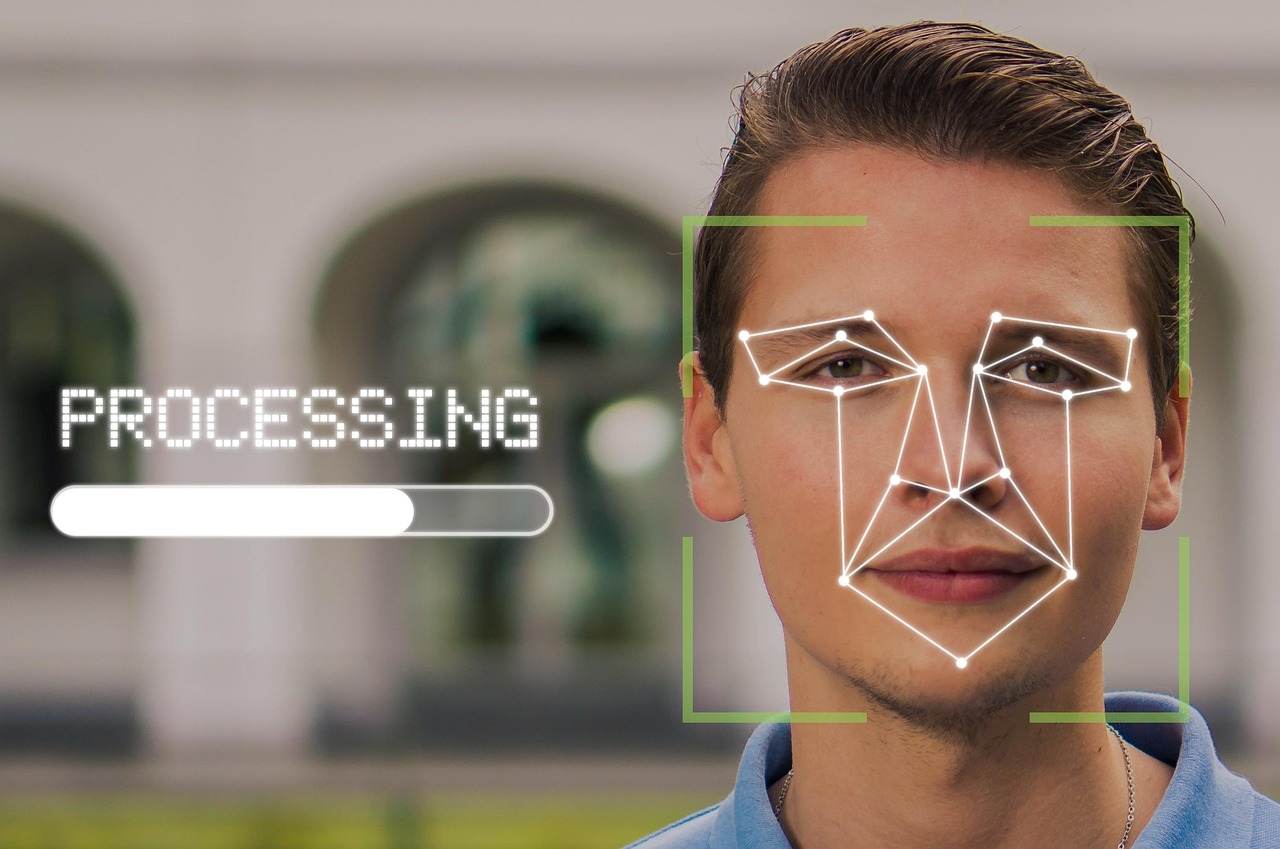
In recent years, biometric monitoring has become prevalent in many workplaces, leading to crucial ethical discussions. Businesses have increasingly turned to biometric data collection methods, including fingerprint recognition and facial recognition technology, to enhance security and optimize employee productivity. However, this growth presents significant privacy issues that necessitate careful consideration. Employees may feel uncomfortable or even violated when their personal data, which often includes sensitive information, is collected without clear consent or understanding. Balancing the organization’s need for security and productivity with employees’ rights to privacy is a complex ethical dilemma. Companies should prioritize transparency and ethical guidelines when implementing biometric monitoring systems. Employees must be fully aware of what data is being collected and how it will be utilized. Failure to communicate this can lead to distrust and negatively impact workplace morale. Furthermore, executives should consider establishing a framework for ethical decision-making concerning monitoring practices, potentially involving employee input. This encourages a culture where privacy is respected, fostering loyalty and commitment from the workforce. In summary, addressing privacy concerns is crucial for responsible biometric monitoring practices in the workplace.
Understanding Employee Privacy Rights
Understanding employee privacy rights in the context of biometric monitoring is essential for ethical business practices. Employees are entitled to maintain a degree of privacy even in a professional setting, which extends to their biometric data. Employers must navigate these rights carefully while implementing monitoring systems. Typically, privacy rights are governed by local laws and regulations that establish clear boundaries regarding individual privacy and data protection. For instance, data protection laws often require businesses to employ transparent methods for data collection and processing, ensuring compliance. Additionally, employees should be informed about their rights concerning biometric monitoring, enabling them to make educated choices about their participation. Employers who respect these rights foster a sense of trust and loyalty among their workforce. Therefore, organizations should adopt clear privacy policies that detail how biometric data will be secured, how long it will be stored, and under what conditions it can be accessed or used. Fostering an open dialogue about monitoring practices with employees further reinforces ethical standards within the organization. Protecting employee privacy rights should be a fundamental component of any biometric monitoring policy to promote a fair work environment.
The ethical implications of biometric monitoring extend beyond privacy concerns. Another key issue pertains to discrimination and the potential misuse of biometric data. Employers who monitor biometric data must be vigilant in their analysis to ensure that it does not lead to discriminatory practices against certain employees. For example, if biometric measures are used to evaluate productivity, it may unfairly target particular individuals or demographics, thereby impacting their career progression. Additionally, businesses must consider the implications of potential data breaches, where sensitive biometric information could fall into the wrong hands. This can result in identity theft or other malicious activities that endanger employees, thereby amplifying the severity of the matter. Developing a robust security framework is vital for protecting biometric data from unauthorized access and breaches. Moreover, organizations must implement ongoing training programs to educate management and employees about proper data handling practices. Employing ethical guidelines that promote fairness, accountability, and responsibility is essential, ensuring that biometric monitoring systems serve genuinely beneficial purposes rather than harmful ones. Striking this balance is crucial for maintaining integrity and a positive workplace culture.
Implementing Biometric Monitoring Responsibly
Implementing biometric monitoring responsibly necessitates a thoughtful approach to ethical considerations. First and foremost, organizations should conduct a thorough impact assessment before deploying monitoring systems. This assessment identifies potential risks related to privacy, discrimination, and data management. By understanding the implications of biometric monitoring, businesses can develop strategies to mitigate any adverse effects. Furthermore, transparency is paramount in this process. Employees must be informed about the specific reasons for implementing biometric monitoring, the types of data collected, and how that data will be used. Achieving informed consent from employees fosters a sense of ownership and will lessen potential backlash against monitoring initiatives. It also opens avenues for feedback, where employees can voice concerns or suggest improvements to the system. Additionally, establishing a clear usage policy is crucial. This policy should outline acceptable uses of biometric data, data retention schedules, and employees’ rights to access their information. Regularly reviewing these policies ensures they remain in alignment with evolving ethical standards and regulations. Organizations must maintain a commitment to ethical practices in biometric monitoring to uphold employee trust while meeting business needs.
Another critical aspect of ethical biometric monitoring is the importance of data security. Organizations that collect biometric data are responsible for protecting this information from breaches and unauthorized access. Strong cybersecurity measures, such as encryption, secure data storage solutions, and multi-factor authentication, should be foundational elements of any biometric monitoring strategy. Regular audits to identify potential vulnerabilities and improve the security framework are equally vital. Additionally, companies must develop a comprehensive incident response plan to address potential data breaches. This plan should outline how to handle security incidents efficiently to minimize damage and streamline the communication process with affected employees. Furthermore, organizations should conduct training sessions for employees to raise awareness around data handling and security protocols. Empowering employees with knowledge about data security also plays a role in protecting sensitive information. Companies can also collaborate with third-party experts in cybersecurity to strengthen their monitoring solutions. By prioritizing data security, businesses not only protect employee biometric data but also build a culture of accountability and trust, ultimately leading to a more secure workplace.
Balancing Productivity and Privacy
The balance between productivity and privacy is a central challenge in implementing biometric monitoring systems. While organizations often justify monitoring practices as ways to increase efficiency, overreaching surveillance can lead to employee dissatisfaction and reduced morale. Employees may feel that constant monitoring infringes on their autonomy or makes them uncomfortable at their workplace. Therefore, organizations should strike a balance by adhering to principles of fairness and respect in their monitoring practices. A crucial step is creating a culture where employees understand that monitoring is intended to support them rather than penalize them. For example, biometric monitoring can provide employees with insights into their performance, allowing them to identify areas for improvement. Employers should ensure that employees know how data collected benefits them, potentially enhancing their individual productivity rather than solely serving corporate interests. Moreover, organizations can emphasize collaboration and feedback by inviting employees to participate in decisions regarding monitoring practices, integrating their input into policies. By collaborating with employees, organizations can foster trust and open communication, mitigating the potential downsides of biometric monitoring while enhancing productivity.
In conclusion, navigating the ethical implications of biometric monitoring requires careful attention to various factors. From understanding privacy rights to implementing responsible monitoring systems, every aspect plays a crucial role in shaping workplace culture. Businesses must be proactive in establishing transparent policies, ensuring data security, and fostering open communication with employees. By doing so, organizations can create a work environment where employees feel valued and respected while achieving organizational goals. Continuous assessments of monitoring practices help ensure they remain ethical and beneficial over time, adapting to changing regulations and employee expectations. Moreover, emphasizing ethical standards when employing biometric monitoring will not only protect employee rights but also enhance overall workplace well-being. Organizations can cultivate a culture of trust, engagement, and productivity by prioritizing ethics in every aspect of biometric monitoring. In a rapidly evolving technological landscape, fostering an ethical approach to biometric monitoring will serve as a cornerstone for successful management practices, reinforcing the value of balancing business objectives with genuine care for employees.
Creating a Culture of Ethical Awareness
Creating a culture of ethical awareness within organizations is fundamental for addressing biometric monitoring’s ethical implications. This begins with leadership setting the tone for ethical standards and practices throughout the organization. When management prioritizes ethical behavior, it creates an environment where employees understand the importance of privacy, data protection, and compliance with regulations. Regular training sessions should be instituted to conduct discussions surrounding ethics in biometric monitoring and employee rights. These sessions provide employees with knowledge about the ethical concerns related to their biometric data, building awareness about potential risks of unethical practices. Furthermore, organizations must encourage employees to voice their concerns about monitoring initiatives without fear of retaliation, ensuring a supportive atmosphere. Establishing an ethics committee can also encourage open dialogue regarding monitoring practices, serving as a platform for discussing any concerns employees may have. This committee should address potential ethical dilemmas and actively seek employee perspectives, promoting a collective approach to navigating ethical challenges. By fostering a culture of ethical awareness, organizations can create sustainable biometric monitoring practices that align with both business objectives and employees’ rights.