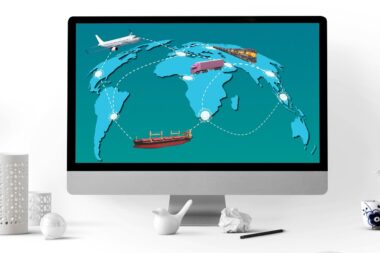

Streamlining Logistics to Minimize Supply Chain Expenditures
Logistics plays a vital role in supply chain cost management. Efficient logistics can drastically reduce expenses across various stages of the supply chain. By re-evaluating logistics processes, businesses can identify areas for improvement, leading to substantial cost savings. Investing in technology, such as transportation management systems, aids companies in optimizing their logistics. These systems provide insights into shipping routes and help in selecting the most cost-effective options. Additionally, partnerships with reliable carriers can lead to enhanced service levels at reduced rates. Regular audits of logistics performance facilitate the identification of inefficiencies. When companies understand their logistics performance metrics, they can implement corrective actions efficiently. This is crucial for developing a sustainable logistics strategy. Focus on reducing transit times can boost customer satisfaction while lowering costs. Furthermore, leveraging data analytics can provide visibility into inventory levels, which assists in aligning supply closely with demand. Understanding this balance is necessary for minimizing carrying costs and avoiding stockouts. Enhanced logistics accuracy directly impacts service delivery and profitability slopes, establishing a competitive edge within the marketplace. Overall, streamlining logistics remains essential in creating an effective, cost-efficient supply chain.
Inventory Management Strategies
Inventory management is instrumental in minimizing supply chain expenditures. Strategic inventory practices can aid in reducing overstocks and shortages that plague many businesses. Assessing inventory turnover rates is crucial; it allows companies to fine-tune their purchasing and stocking strategies. Businesses should adopt just-in-time (JIT) inventory techniques to ensure that products arrive precisely when needed for production or sale, reducing excess holding costs. Implementing robust inventory tracking systems, such as barcode scanning or RFID technology, enhances accuracy in inventory management. This technology helps mitigate errors in inventory levels and improves fulfillment processes. Moreover, employing demand forecasting techniques aids businesses in predicting customer demand fluctuations. Accurate forecasting allows organizations to align their inventory purchases accordingly. Regularly analyzing sales data can also inform inventory investment decisions, ensuring stock aligns with market trends. A well-managed inventory leads to increased efficiency and improved cash flow, lowering capital that sits tied up in unsold goods. Emphasizing collaborative planning with suppliers further streamlines inventory management. When companies work closely with their suppliers, they can ensure timely deliveries, minimizing lag times related to stock replenishment. Overall, effective inventory strategies contribute to lowered costs in the supply chain.
Supplier Relationship Management is a critical aspect for effective supply chain cost management. Building strong relationships with suppliers can lead to better pricing, improved service delivery, and greater reliability. Companies should engage in regular communication with suppliers to share forecasts, allowing for better planning and efficiency. Steps to streamline supplier processes involve conducting periodic reviews of supplier performance. Evaluating supplier capabilities ensures that businesses are partnering with the right providers for their needs. Negotiating bulk purchase agreements can unlock discounts, providing significant savings over time. Additionally, fostering supplier collaboration often results in innovation and shared resources, enabling both parties to benefit from increased efficiency. Companies should also seek diversified suppliers to mitigate risks related to supply chain disruptions. Dependence on a single supplier can lead to vulnerabilities, particularly in today’s volatile market. Having multiple suppliers helps build a more resilient supply chain and can lead to better service. Adopting a relationship-oriented approach, businesses can foster loyalty and commitment, further enhancing supplier reliability. Ultimately, developing effective supplier relationships can significantly impact cost containment within the entire supply chain management framework.
Technology Integration in Supply Chains
Integrating technology into supply chain operations is crucial for cost reduction. Automation of repetitive tasks can lead to significant savings. Employing warehouse management systems can improve picking and packing efficiency while reducing labor costs. Furthermore, advanced analytics enable businesses to gain insights into operational inefficiencies and cost hotspots. Technologies like the Internet of Things (IoT) can provide real-time data regarding inventory levels and shipment statuses. This kind of visibility empowers organizations to make quicker, informed decisions that enhance supply chain responsiveness. Blockchain technology also offers transparency and security in transactions, ultimately reducing costs related to fraud and disputes. Artificial intelligence (AI) helps optimize routes and delivery schedules, ensuring that logistics are cost-effective. Implementing these technologies may require an initial investment but leads to long-term savings and efficiency. Organizations should also consider leveraging cloud-based solutions for scalability and flexibility in their operations. This way, they can adapt quickly to changing market conditions without incurring significant costs. Technology-driven solutions streamline processes, enabling faster response times and reducing waste in supply chain management. Ultimately, integrating technology acts as a force multiplier for reducing supply chain expenditures effectively.
Process Optimization serves as a pathway to enhanced efficiency in supply chain management. Businesses can achieve significant cost savings through scrutinizing current processes, identifying bottlenecks, and eliminating waste. Techniques such as lean management focus on maximizing value while minimizing waste, aligning well with cost reduction goals. By auditing their operations, companies can uncover hidden costs and areas for improvement in their workflows. Implementing standardized processes minimizes variability and enhances quality throughout the supply chain. Organizations can engage in continuous improvement practices, encouraging employee input to refine operations constantly. Utilizing Value Stream Mapping is beneficial for visualizing all steps in a process and pinpointing inefficiencies. Moreover, cross-training employees across various functions can lead to flexibility, ensuring operations remain seamless even during workforce fluctuations. Incorporating feedback mechanisms from logistics activities helps to maintain continuous loop learning, allowing companies to adapt and refine processes strategically. Furthermore, outsourcing non-core functionalities can also streamline internal focuses. By doing so, companies can elevate their core competencies while outsourcing specialized functions, leading to optimized processes. Process optimization is not a one-time task but an ongoing endeavor to ensure sustained efficiency and cost reduction.
Risk Management in the Supply Chain
Effective risk management is critical in minimizing supply chain expenditures. Businesses must prepare for uncertainties by developing robust contingency plans. Conducting thorough risk assessments should highlight potential vulnerabilities in the supply chain. Ties to single-source suppliers expose organizations to operational risks during disruptions. Implementing strategies for diversification of suppliers minimizes that risk. Companies should also explore alternate modes of transportation as a hedge against logistical failures. Regular simulations and scenario planning can prepare businesses for various disruptions, such as natural disasters or economic downturns. Analyzing historical data to prepare for potential future disruptions also strengthens supply chain resilience. This involves establishing strategic inventory reserves to withstand temporary disruptions. Moreover, fostering open communication among all stakeholders can enhance collective responsiveness to risk events. Collaborating with logistics partners to share risk burden can also be an effective strategy. Incorporating technology, such as predictive analytics, allows organizations to anticipate risks before they manifest. Investing in risk management initiatives may involve cost, but the potential savings and avoidable losses significantly overshadow it. Ultimately, an effective risk management strategy safeguards supply chain investments, ensuring consistent operational efficiency, enhancing overall business health.
Performance Measurement is essential for cost reduction in supply chain management. Key performance indicators (KPIs) offer valuable insights that highlight areas of success and weaknesses. Companies should regularly track KPIs like inventory turnover, order accuracy, and delivery speed. Analyzing these metrics allows organizations to make informed decisions for enhancing operational efficiency. Integrating performance measurement systems facilitates real-time tracking and reporting, leading to improved responsiveness. Regular performance reviews can identify bottlenecks that contribute to inflated costs. Implementing benchmarking against industry standards encourages continuous improvement; businesses can strive to match or exceed best practices. Furthermore, fostering a culture of accountability ensures that all employees understand their roles in achieving supply chain performance goals. Training and development initiatives can elevate employee engagement and expertise, leading to better performance outcomes. Utilizing dashboards for performance metrics allows for quick data visualization, aiding decision-makers in understanding critical areas at a glance. The ultimate goal is to align supply chain objectives with broader business strategy, enhancing overall value. Ultimately, monitoring and refining performance through established metrics is key to minimizing costs, improving profitability, and maintaining a competitive advantage in the marketplace.
A continuous improvement approach can greatly enhance supply chain cost management outcomes. Embracing methodologies, such as Six Sigma or Kaizen, offers structured frameworks for optimizing processes. A culture that promotes continuous improvement allows team members to identify issues proactively and suggest solutions. Commitment from leadership is vital; this drives engagement across all levels of the organization. Gathering feedback from stakeholders provides deeper insights into pain points within the supply chain. Implementing small, incremental changes can often yield more fruitful results than major overhauls. Furthermore, regular training programs can equip employees with new skills and knowledge, enabling them to adapt to evolving practices and technologies. Encouraging cross-functional collaboration can also spur innovations and improvements. Teams from different departments can share valuable insights that lead to more streamlined operations. Ultimately, staying attuned to industry trends and standards allows businesses to adapt their practices accordingly. Continuous improvement fosters adaptability in a dynamic environment, making companies more resilient. The long-term benefits of committing to continuous improvement significantly outweigh potential costs. Organizations can achieve greater efficiency and significant cost reductions through ongoing refinement and innovation.