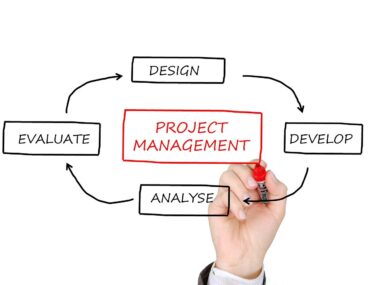

The Fundamentals of Agile Transformation in Project Management
Agile transformation in project management signifies a shift from traditional methodologies to a more adaptable, collaborative, and flexible approach in delivering projects. This transformation is critical for organizations seeking to improve efficiency, respond rapidly to changes, and foster a culture of continuous improvement. Agile emphasizes iterative progress and stakeholder engagement, which leads to faster delivery, improved quality, and enhanced customer satisfaction. To initiate this transformation, project managers must cultivate an agile mindset throughout their teams, encouraging individuals to embrace change and adapt to evolving requirements. Moreover, crucial roles such as Agile coaches and Scrum Masters play a significant role in mentoring teams on agile practices. Additionally, organizations should invest in training and workshops to ensure that all stakeholders have a foundational understanding of agile principles. It is also essential to recognize that transitioning to an agile framework often requires a cultural shift in the organization, where collaboration and communication become paramount. The implementation of Agile can radically enhance project outcomes, making it an indispensable approach in today’s dynamic business environment, paving the way for innovation and improved performance.
Key Principles of Agile Transformation
Understanding the key principles of Agile transformation is fundamental for successful project execution. Central to these principles is the commitment to collaboration, emphasizing teamwork and stakeholder engagement throughout the project lifecycle. Agile methodologies focus on delivering value incrementally, allowing teams to adapt to feedback efficiently. More importantly, Agile promotes a strong customer focus, where delivering customer satisfaction is paramount in every iteration. Agile teams work in short cycles, known as sprints, enabling rapid adjustments based on real-time feedback. Another fundamental principle is fostering a culture of trust and openness within teams, encouraging members to take ownership of their work. This environment supports transparency and enhances communication, leading to better problem-solving capabilities. Moreover, Agile champions the concept of continuous improvement, encouraging teams to constantly evaluate their performance and refine their processes. This iterative process of assessment and adaptation contributes to higher quality outputs and more effective team dynamics. Tools such as Kanban boards and Agile software help support these principles, facilitating better project visualization and tracking progress, ultimately leading to successful Agile transformations.
Stakeholder involvement is key to achieving successful Agile transformation. Stakeholders play crucial roles in providing necessary feedback and insights that guide the development process. Therefore, regular communication between project teams and stakeholders is essential throughout project phases. Incorporating stakeholder reviews during sprint planning enhances transparency, ensuring that the team understands customer needs and expectations. At the same time, aligning project goals with stakeholder interests nurtures a collaborative environment, enabling better decision-making. Projects can significantly benefit from stakeholder engagement, as it leads to enhanced product quality and increased customer satisfaction. Building rapport and trust with stakeholders will foster alignment on project priorities and expectations. Furthermore, empowering stakeholders to participate actively in the agile process introduces an additional layer of accountability, leading to more informed decisions and direction. Additionally, organizations should regularly solicit feedback to assess stakeholder satisfaction effectively. By doing so, teams can recalibrate efforts to better meet stakeholder needs, thereby significantly contributing to the successful outcome of the project. Effective stakeholder management is integral to realizing the benefits of Agile transformation within project management.
Implementing Agile Frameworks
Implementing Agile frameworks involves carefully selecting a methodology that fits the project’s needs. Common Agile frameworks include Scrum, Kanban, and Lean, each tailored for specific situations. Scrum is ideal for complex projects requiring frequent collaboration and has defined roles such as Product Owner and Scrum Master. Kanban focuses on visualizing workflow and managing work in progress, making it suitable for teams needing flexibility. Lean applies principles of waste reduction, enhancing efficiency by eliminating non-value-added activities. To successfully implement these frameworks, teams must first understand their unique contexts and requirements. It is also essential to have proper training and support to ensure everyone is aligned with the chosen framework’s principles. Transitioning to an Agile framework often necessitates updates to tools and processes within the organization. Teams should utilize Agile project management software to facilitate collaboration and communication, track progress, and manage tasks. Regular reviews and retrospectives enable teams to discuss what works well and what needs improvement within the framework. Ultimately, selecting and executing the right Agile framework can significantly enhance project success and adaptability in a fast-paced environment.
One critical aspect of Agile transformation involves cultivating an empirical mindset within teams. This entails making decisions based on observable data and experiences rather than assumptions. Empiricism, a cornerstone of Agile practices, promotes continuous learning and adaptation. Implementing steps like regular retrospectives and product increments allows teams to analyze outcomes and iteratively improve processes. Emphasis on using measurable metrics to assess project performance empowers teams to make informed adjustments. By tracking metrics such as velocity, cycle time, and customer satisfaction, teams can gain insights into their effectiveness. Moreover, transparency throughout the process supports accountability and diligence in delivering quality outputs. Ensuring everyone on the team understands goals and expectations cultivates a conducive environment for high performance. Furthermore, concepts like pair programming and peer reviews contribute to knowledge sharing amongst team members, enhancing overall skill levels and collaboration. As teams embrace empirical approaches, they can optimize their workflows and significantly increase project delivery speed. Cultivating an empirical mindset is essential for sustaining Agile transformation in project management, enabling organizations to remain competitive in their respective markets.
Challenges in Agile Transformation
Despite its benefits, Agile transformation presents several challenges that organizations must navigate. One common obstacle is resistance to change, as teams may be accustomed to traditional methodologies, making the transition uncomfortable. Effective change management strategies must be employed to address these concerns, emphasizing the advantages of Agile practices. Misalignment in priorities and goals can lead to confusion, underscoring the need for clear communication and alignment among stakeholders. Additionally, organizations may face difficulties in establishing a culture of trust essential for effective Agile implementation, as it requires a mindset shift. The lack of executive support can also hinder transformation efforts, emphasizing the need for strong leadership commitment to champion Agile initiatives. Furthermore, inadequate training often results in teams struggling to grasp Agile principles fully, risking the effectiveness of the transformation. To combat these challenges, comprehensive training programs and ongoing mentorship are critical in helping teams navigate the learning curve. Organizations can ensure their Agile transformation is successful by proactively addressing these challenges and fostering an adaptive culture that embraces change.
In conclusion, Agile transformation in project management is a powerful strategy for organizations seeking to enhance their operational efficiency, responsiveness, and innovation. Essential to this process are the principles of collaboration, customer focus, and continuous improvement that guide Agile methodologies. Organizations must invest in suitable frameworks, stakeholder involvement, and training to ensure a successful transition to Agile. Cultivating an empirical mindset is crucial, enabling teams to learn and adapt effectively while navigating challenges such as resistance and misalignment. Overall, effective Agile transformation promotes improved project delivery and higher customer satisfaction while fostering a culture of flexibility and collaboration. As businesses continue to evolve in a digital world, embracing Agile practices becomes increasingly critical for sustained success. By prioritizing Agile approaches, organizations can better respond to market changes, ensuring a competitive edge in their industries. Ultimately, embracing Agile transformation is not merely about processes and tools but about adopting a holistic mindset that values adaptability and innovation across all levels of the organization. Organizations brave enough to embark on this transformative journey will future-proof their operations and thrive in an unpredictable business landscape.