
Overconfidence in Trading
Overconfidence in trading is a well-documented behavioral bias that significantly influences decision-making among investors. This psychological phenomenon causes individuals to overestimate their knowledge, skills, and accuracy in predicting market trends. Traders who exhibit overconfidence are often more inclined to trade excessively, convinced that their strategies will yield superior results. This mind-set can create a breeding ground for various issues, such as higher transaction costs and increased risks due to impulsive buying and selling. Moreover, overconfident traders may ignore critical market information that contradicts their beliefs, leading to suboptimal investment choices. Such behavior can further contribute to market volatility, as large volumes of trades driven by overconfidence can result in drastic price fluctuations. Overconfidence can also lead to poor risk assessment and underestimating potential losses, which only exacerbates the situation. Understanding this behavioral bias can help investors and traders recognize their tendencies, fostering better decision-making. By acknowledging the pitfalls of overconfidence, traders might adjust their strategies, potentially leading to a more stable investing environment. Therefore, examining overconfidence is crucial for understanding its impact on overall market dynamics.
The Psychology Behind Overconfidence
The psychology behind overconfidence in trading stems from cognitive biases, personal experiences, and social influences. Cognitive biases such as the “illusion of control” and the “self-serving bias” often motivate traders to believe they possess superior skills compared to their peers. The illusion of control refers to the belief that one can influence outcomes that are genuinely random, such as stock price movements. A self-serving bias enables traders to attribute their successes to personal skill while blaming external factors for failures. These psychological mechanisms reinforce overconfidence, ultimately leading traders to underestimate risks and overestimate their predictive capabilities. Personal experiences also play a substantial role; successful past trades can create a false sense of security, making a trader more prone to take unnecessary risks. Social influences, such as peer pressure or following market pundits, can amplify the risk of overconfidence, as individuals seek validation from others. Furthermore, the competitive market environment often stimulates traders to assert their dominance, leading to even greater overconfidence. Thus, the interplay between cognitive biases, experiences, and social factors highlights the complexity behind overconfidence and its repercussions on trading behavior.
Effects of Overconfidence on Market Volatility
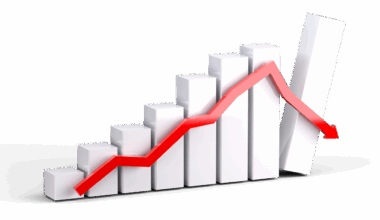
Overconfidence has far-reaching effects on stock market volatility, affecting not only individual traders but also the market as a whole. When traders make ungrounded decisions based on overconfidence, they can disproportionately affect stock prices, leading to abnormal price movements. For instance, an influx of overconfident traders buying into a stock may inflate its price, creating a speculative bubble that can later burst, causing significant declines. This phenomenon can manifest as a self-fulfilling prophecy, where hype surrounding a stock attracts more traders, further driving up prices until reality sets in. Additionally, overconfidence can foster herd behavior, as traders mimic the actions of their peers without adequate analysis. This inclination contributes to volatility, with stock prices oscillating wildly based on collective overestimations of a company’s true value. Moreover, overly optimistic projections during periods of investor fervor can lead firms to issue misleading guidance, reinforcing the market’s volatility. By recognizing the connection between overconfidence and market volatility, traders can implement measures to mitigate irrational behavior, enhancing their investment strategies and contributing to a more stable financial ecosystem.
Another aspect worth considering is the distinction between overconfidence and actual performance. Numerous studies suggest that overconfident traders often believe they can consistently outperform the market, yet empirical evidence frequently contradicts this notion. In fact, many overconfidence-driven trading behaviors lead to underperformance, demonstrating a disconnect between perception and reality. As these traders encounter losses stemming from their overinflated self-belief, they may become trapped in a cycle of denial, further complicating their ability to evaluate their trading strategies realistically. This predicament highlights the importance of self-awareness in trading; recognizing one’s limitations and addressing the inherent biases can significantly improve overall performance. By fostering a more rational perspective, traders are likely to make more informed choices, reducing the adverse effects of overconfidence on their decision-making processes. In turn, developing skills such as critical thinking, market analysis, and cautious risk management can help counteract overreliance on misplaced confidence. Empirical research reinforces the idea that a balanced approach to trading can lead to more favorable long-term outcomes for individuals and overall market stability.
Strategies to Combat Overconfidence
Implementing strategies to combat overconfidence is essential for improving trading behaviors and market outcomes. Recognizing cognitive biases is the first step; traders should familiarize themselves with common behavioral pitfalls, such as the tendency to anchor on past successes. Awareness of these biases can lead to more conscious decision-making, ultimately promoting better investment practices. Setting clear entry and exit strategies is another effective method to counter overconfidence. By establishing rules that dictate trading actions, investors can minimize impulsive decisions driven by unwarranted confidence. Additionally, maintaining a diverse portfolio can help reduce exposure to single investments, serving as a buffer against overconfidence-related risks. Regularly reassessing one’s performance and seeking objective feedback are crucial components of a successful strategy to combat overconfidence. By critically evaluating trading choices and their outcomes, individuals can identify areas for improvement and adapt their strategies to mitigate loss-inducing behaviors. Furthermore, engaging in continuous education about market trends and economic indicators fosters a more grounded understanding of the financial landscape. Such strategies not only enhance individual trader performance but also contribute to overall market stability by minimizing the effects of overconfidence.
In conclusion, overconfidence in trading presents a significant challenge to investors and market stability. A deeper understanding of the psychological and behavioral factors driving overconfidence can facilitate better decision-making and risk management. As traders learn to recognize their biases and adopt corrective strategies, the overall market can benefit from more rational trading practices. This combined effort will likely reduce major price fluctuations and enhance the long-term viability of investments. Moreover, fostering a culture of humility and continuous learning among traders can further mitigate overconfidence’s impact on behavior. By cultivating an environment where critical analysis is prioritized, individuals will be better equipped to navigate the complexities of the stock market, ultimately resulting in a more stable financial ecosystem. While complete elimination of overconfidence may be unrealistic, mitigating its effects through education and self-awareness is achievable. Traders must embrace their limitations and invest time in honing their analytical skills, equipping them to confront the challenges posed by overconfidence. As the market landscape evolves, these strategies will remain pertinent, ensuring that traders can make informed choices in an ever-changing financial environment.
Ultimately, the relationship between overconfidence and stock market volatility is intricate and dynamic. Addressing this issue requires a multifaceted approach involving psychological awareness, strategic planning, and behavioral adjustments. The complexities established through various factors highlight the importance of combining individual responsibility with collective awareness within the trading community. By understanding the forces of overconfidence, investors can position themselves for improved performance and sustainable growth, benefiting their portfolios and the market as a whole. Reflection on past experiences and biases will pave the way for more disciplined trading, while embracing a collaborative mindset can foster greater transparency and accountability among investors. The integration of technology in trading strategies can streamline the process while emphasizing the significance of informed decision-making. As financial markets continue to evolve, it is crucial for traders to adapt by acknowledging human behaviors while also making data-driven decisions. Ultimately, the journey toward combating overconfidence will be crucial for enhancing market dynamics and reinforcing the principles of sound investing.
By recognizing the impact of overconfidence on market volatility and trading behaviors, the financial community has the opportunity to develop innovative strategies for risk mitigation. Engaging in conversations about the implications of behavioral finance can foster a better understanding of these issues. Consequently, sharing insights and experiences among investors can promote growth and contribute to responsible trading behavior. In this collective pursuit of knowledge, seasoned traders can mentor newcomers, sharing lessons learned from their own experiences with overconfidence and its risks. Moreover, the legislative aspects of trading may require re-evaluation as the market landscape shifts, reinforcing the importance of ethical standards and accountability among investors. Continued research in behavioral finance will be necessary to understand the ever-evolving nature of overconfidence and its challenges in trading. By prioritizing education and the adoption of best practices, the financial industry can work toward enhancing overall market stability, safeguarding the interests of individual investors and the broader economy. Ultimately, recognizing and addressing overconfidence will enable traders to make informed decisions in a rapidly changing financial landscape.