
Understanding the Cycle of Debt and When to Seek Help
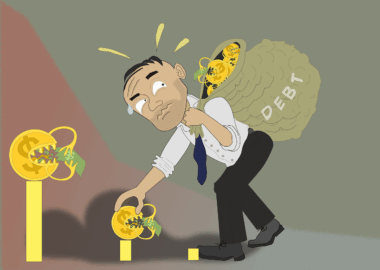
In today’s fast-paced world, debt often feels inevitable. Many individuals accumulate debt due to unexpected expenses or lifestyle inflation, leading to a cycle that can be difficult to break. When debts begin to pile up, stress and anxiety can ensue. It’s crucial to recognize the early signs indicating the need for professional assistance with debt management. The consistent struggle to keep up with payments may be becoming overwhelming, indicating a deeper issue at play. If your debt is increasing faster than your income, you may need to reflect on financial decisions. Having multiple credit cards or loans that are near their limits may signify a growing problem. Developing a strategy for managing debt is vital, but sometimes it may be necessary to seek professional debt help. An experienced advisor can assist you in creating a tailored plan, providing a fresh outlook on your finances. Ultimately, awareness is the first step towards finding relief from debt-related stress and taking control of your financial life.
The initial indicator that professional help is necessary often surfaces when individuals begin to miss payments. Missing payment deadlines not only incurs additional fees but negatively impacts credit scores. Specifically, if you’re unsure about how to manage these payments or find yourself frequently stressed about them, it’s a strong sign you should seek help. When this happens, it’s essential to acknowledge the situation and take immediate action to avoid further complications. Engaging with a reputable debt management service can be a lifesaver in these circumstances. They can help negotiate with creditors, reduce monthly payments, and create a manageable repayment plan. Additionally, accruing debt for non-essential purchases is another red flag. If you often find yourself using credit cards to pay for daily expenses instead of necessary bills, it’s a good indication that a spending issue exists. An in-depth budget analysis may reveal the root of this problem and lead to effective solutions. Finding support from a financial advisor can help curb excessive spending habits and ultimately assist in regaining control over your financial situation.
Warning Signs of Financial Distress
Another vital sign that debt help is needed is when communication with creditors becomes challenging. If you’re dodging calls from debt collectors or feeling stressed about negotiating payment terms, it’s time to pause and re-evaluate your situation. Increased stress often accompanies the fear of speaking with creditors, creating a cycle that can lead to further distress. Ignoring these calls can result in compounded issues, including additional fees and potential legal action. Seeking professional help becomes even more critical in such situations. Debt management professionals can advocate on your behalf, negotiating terms and providing you with the necessary guidance. This alleviates your stress while ensuring that you are taking the necessary steps towards financial recovery. Furthermore, if you notice a significant drop in your credit score, this may also signal the need for assistance. A lower score can limit your options and increase borrowing costs. An expert can help you identify ways to improve your credit score and understand the steps necessary to restore it effectively.
In addition to observing missed payments and communication issues with creditors, feeling consistently overwhelmed by finances is a key indicator of needing help. This feeling often manifests in anxiety and worry, affecting overall well-being and daily activities. Financial anxiety can lead to sleepless nights, impacting personal relationships and professional performance. Recognizing when debt becomes unmanageable is essential in addressing these feelings. Talking to a financial advisor or counselor can help provide relief, as they can offer support and create actionable plans for moving forward. Another critical sign is relying on loans to pay off previous debts, which can be disastrous in the long run. This approach, known as “debt cycling,” can create an endless loop of borrowing without solving the root problem. Seeking help allows individuals to explore alternatives that promote financial growth rather than further dependency on loans. Exploring potential solutions, such as debt consolidation programs or negotiating debt settlements, can lead to more sustainable outcomes in managing finances.
Understanding Debt Management Options
Having identified the signs and symptoms of financial distress, understanding your options is the next step. A variety of debt management strategies are available, each tailored to individual needs. For instance, debt consolidation can help simplify your finances by merging multiple debts into a single payment. This can often result in lower interest rates and payments, making debt more manageable. Other alternatives include debt negotiation, where professionals negotiate directly with creditors for reduced payment amounts. This could significantly relieve monthly financial burdens and help potentially restore your credit score over time. Furthermore, credit counseling is yet another route, offering educational resources to empower individuals to make informed financial decisions. Working closely with professionals can enlighten clients about their rights and options, which can lead to a quicker resolution of financial distress situations. Implementing strategies that enhance financial literacy can prevent issues from reoccurring and build a more stable financial future. It’s crucial to explore all available options and to choose the one that aligns best with your current situation.
Ultimately, recognizing the cycle of debt is an ongoing process. Staying vigilant about your spending habits will help prevent future issues from arising. Regularly evaluating your financial strategy and seeking guidance when necessary can protect against accruing overwhelming debt. Taking proactive steps towards finance management is an essential part of breaking the debt cycle. By establishing a clear and structured plan, individuals can regain control and create a healthy financial future. Whether it involves revising budgets, reducing unnecessary expenses, or obtaining expert advice, all these actions play a role in promoting better financial health. Moreover, maintaining open communication with creditors is vital. Creating a rapport with them can often lead to more favorable terms and options for those struggling. Engaging with education tools or workshops on budgeting and finance can create long-term understanding. Becoming proactive ensures that unnecessary debt does not accumulate, ultimately leading to stress reduction. In this way, one can develop a stable financial future while avoiding the traps of debt accumulation.
Conclusion: Taking Control of Your Finances
In conclusion, understanding when to seek help with debt management is crucial for overall financial health. Gaining awareness of the signs of financial distress is the first step towards recovery. Whether it’s missed payments, overwhelming anxiety, or reliance on credit for daily expenses, recognizing these signs can prompt timely action. Embracing professional help can drastically alter one’s financial trajectory, leading to improved credit health and financial literacy. Debt management is a journey that requires commitment and self-reflection to achieve success. Through education and proactive measures, individuals can regain control over their finances. Reflecting on spending habits, seeking timely advice, and exploring viable debt management options can create long-term solutions for maintaining financial stability. It is vital to stay informed and engaged with current financial trends and practices. By adhering to these principles, individuals can break free from the remorseless cycle of debt. Ultimately, the journey towards financial freedom is achievable with the right guidance and support. Taking initiative to assess and address financial challenges fosters a brighter financial future.
Recognizing that every situation is unique, finding the appropriate balance between budgeting and spending is key. Understanding your financial situation is an ongoing process, and adapting to change is essential. By creating a comprehensive plan, individuals can seek help before the situation escalates. Remember, financial difficulties are not uncommon, and seeking assistance is a sign of strength. The journey may be challenging, but with commitment, the road to financial recovery is attainable. Collaborating with professionals who understand these nuances can provide you with tailored strategies suited to your personal circumstances. Focus on creating goals and establishing benchmarks for progress. Note that financial recovery requires time, effort, and consistency. Celebrate small victories along the way, and do not hesitate to reach out for support when necessary. Financial health should not be perceived as a burden but as a priority to be nurtured and respected. Being proactive about your finances can lead to a more fulfilling life, free from the stress of impending payments. By engaging in practices that encourage financial wellness, individuals can restore harmony in their lives.