
Credit Score Monitoring Tools During and After Bankruptcy
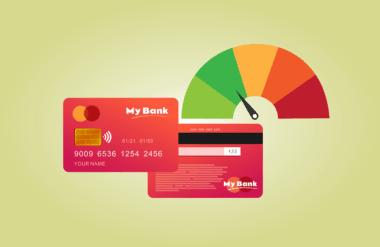
Understanding the importance of credit score monitoring during and after bankruptcy is essential. This period can significantly impact your financial future, so being proactive is crucial. Credit score monitoring tools allow individuals experiencing bankruptcy to track changes to their score in real time. These tools can help alert you to any discrepancies or fraud that may arise during the bankruptcy process. Regular monitoring provides insights into the steps needed for credit restoration. Some tools also offer educational resources that explain how bankruptcy affects credit scores. By using these tools, you empower yourself to make informed decisions. Many services provide credit reports that can help you analyze the factors affecting your score. Additionally, they give access to credit utilization ratio tracking, which plays a critical role in determining your overall credit score. Over time, keeping your score in check can lead to financial recovery and improved credit options. In this realm, awareness is vital, and technology offers significant support in navigating these challenges. Utilizing available resources optimally is necessary to ensure a stable financial future after bankruptcy.
Monitoring your credit score during bankruptcy doesn’t only help you keep track of your score; it also aids in understanding how your credit behaviors influence your future financial capabilities. When leveraging credit monitoring tools, it’s advisable to compare reviews and features from various providers. Some popular services include Credit Karma, Experian, and MyFICO. These platforms provide different benefits, including score updates, credit report access, and educational tools to help users understand credit implications. With consistent tracking, you can address negative items on your report promptly. Moreover, regularly reviewing your score helps you cultivate responsible credit habits going forward. After bankruptcy, it’s crucial to rebuild credit slowly and intentionally. Starting with secured credit cards can be an excellent step to improve your credit score. You need to make on-time payments consistently to show responsible behavior. Avoiding late payments ensures you build a positive payment history. Additionally, credit monitoring can alert you to inquiries from potential creditors. Keeping an eye on these requests can prevent unwanted hard inquiries that may negatively affect your score. Therefore, utilizing credit score monitoring tools both during and after bankruptcy is essential for rebuilding financial health.
How to Choose the Right Credit Score Monitoring Tool
Choosing a credit score monitoring tool after bankruptcy is essential for getting back on track. First, ensure that the service provides comprehensive coverage, including access to your credit reports from all three major bureaus: Experian, TransUnion, and Equifax. A tool that allows you to monitor all three reports offers better insights into your overall credit health. Consider additional features, such as alerts for any changes in your credit score or report, which can help you maintain awareness. Some services include credit repair guidance, educational content, and personalized advice based on your specific financial situation. Look for tools that incorporate identity theft protection features, as fraud risk increases during financial hardships. Customer reviews and testimonials can be invaluable in gauging the effectiveness of different monitoring tools. Ensure that the service you choose has good customer support to assist you with any questions or concerns. Also, consider the pricing structure; while many tools offer free basic services, premium features often come at a cost. Finding a tool that fits your budget yet meets your needs is crucial for effective credit management.
After selecting a credit score monitoring tool, it’s essential to optimize its use during your bankruptcy recovery phase. Regularly logging in to check your scores and reports ensures you are aware of any changes. Take advantage of any educational resources provided by the tool to better understand credit scoring. These resources often include tips on improving your credit score and advice on rebuilding successfully. Utilize alerts to remain informed about any significant changes that occur, as they can often signal errors or potential fraud. Additionally, remember to review your credit report for accuracy regularly. If you find any discrepancies, make sure to dispute them promptly through the credit monitoring service or directly with the credit bureau. Create a plan for rebuilding credit that includes applying for new credit responsibly, keeping utilization low, and maintaining a solid payment history. Rebuilding credit takes time and patience, but using monitoring tools effectively can accelerate your progress. Staying organized and committed to the process will undoubtedly lead to a favorable credit outcome post-bankruptcy. Use your monitoring tool as a partner on this journey toward financial recovery.
The Benefits of Using Credit Monitoring Tools
Credit monitoring tools offer numerous benefits, particularly during the challenging times of bankruptcy. They provide continuous monitoring of your credit reports, alerting you to any new inquiries or changes that could impact your score. This real-time information can be critical in preventing identity theft and quickly addressing errors on your report. Furthermore, many services provide personalized recommendations based on your current credit situation, enabling you to take actionable steps to improve your score. With educational materials and expert insights, you can better understand how credit works and what specific actions to take to rebuild after bankruptcy. Another key advantage of these tools is their user-friendly interfaces, allowing you to easily navigate through your credit details. Some platforms even offer mobile applications, adding an extra layer of convenience. By employing these tools, individuals can monitor their financial health without feeling overwhelmed. Additionally, some services offer features that track your progress over time, allowing you to see the direct impact of your efforts on your credit score. Thus, the integration of monitoring tools into your bankruptcy recovery plan can significantly enhance your ability to regain good financial standing.
Regularly checking your credit score after bankruptcy using monitoring tools provides you with tangible progress measurements. As you make payments on time and reduce outstanding debts, watch your credit score progressively increase. This boost not only provides a sense of accomplishment but also helps reinforce responsible credit habits. Furthermore, these tools can equip you with information on what factors contribute to score improvement. For example, understanding how payment history affects your score can motivate you to prioritize timely payments. Keep in mind that rebuilding your credit score is not merely about waiting for time to pass; it is about adapting your financial behavior pragmatically. In your journey, it’s also vital to maintain a diversified credit mix—consider credit types such as installment loans, revolving credit, and secured cards to enhance your score. Monitoring tools can help track these diverse accounts effectively. Use personalized alerts to remind yourself of due dates to avoid missing payments. In this way, you can maintain control over your credit rehabilitation process. Thus, consistent vigilance and proactive steps through monitoring tools will pay off as you progress toward regaining financial stability.
Conclusion: The Path to Credit Recovery
In conclusion, using credit score monitoring tools during and after bankruptcy is essential for anyone looking to regain control of their finances. These tools not only allow for real-time tracking of credit scores but also provide invaluable resources for education and improvement. After experiencing bankruptcy, it is crucial to have the right tools at your disposal to help ensure a smooth recovery process. By taking a proactive approach to monitoring and understanding your credit, you can effectively navigate the complexities of credit restoration. Implementing responsible financial behaviors—such as maintaining low credit utilization and making timely payments—will foster positive effects on your score over time. Remember that monitoring tools equip you with the information necessary to make informed financial decisions and facilitate effective communication with lenders. Combining these tools with disciplined spending habits enhances your financial health dramatically. Ultimately, the journey to credit recovery can be challenging, but with dedication and the right credit score monitoring tools, it is entirely achievable.
Engaging with credit score monitoring tools empowers you to regain financial confidence after bankruptcy. Be patient, and remember that credit restoration is a gradual process requiring time and effort. Equip yourself with knowledge through services available to you, and create a clear action plan for improvement. With determination, you can navigate your post-bankruptcy financial landscape successfully and arrive at a stronger credit position in the future.