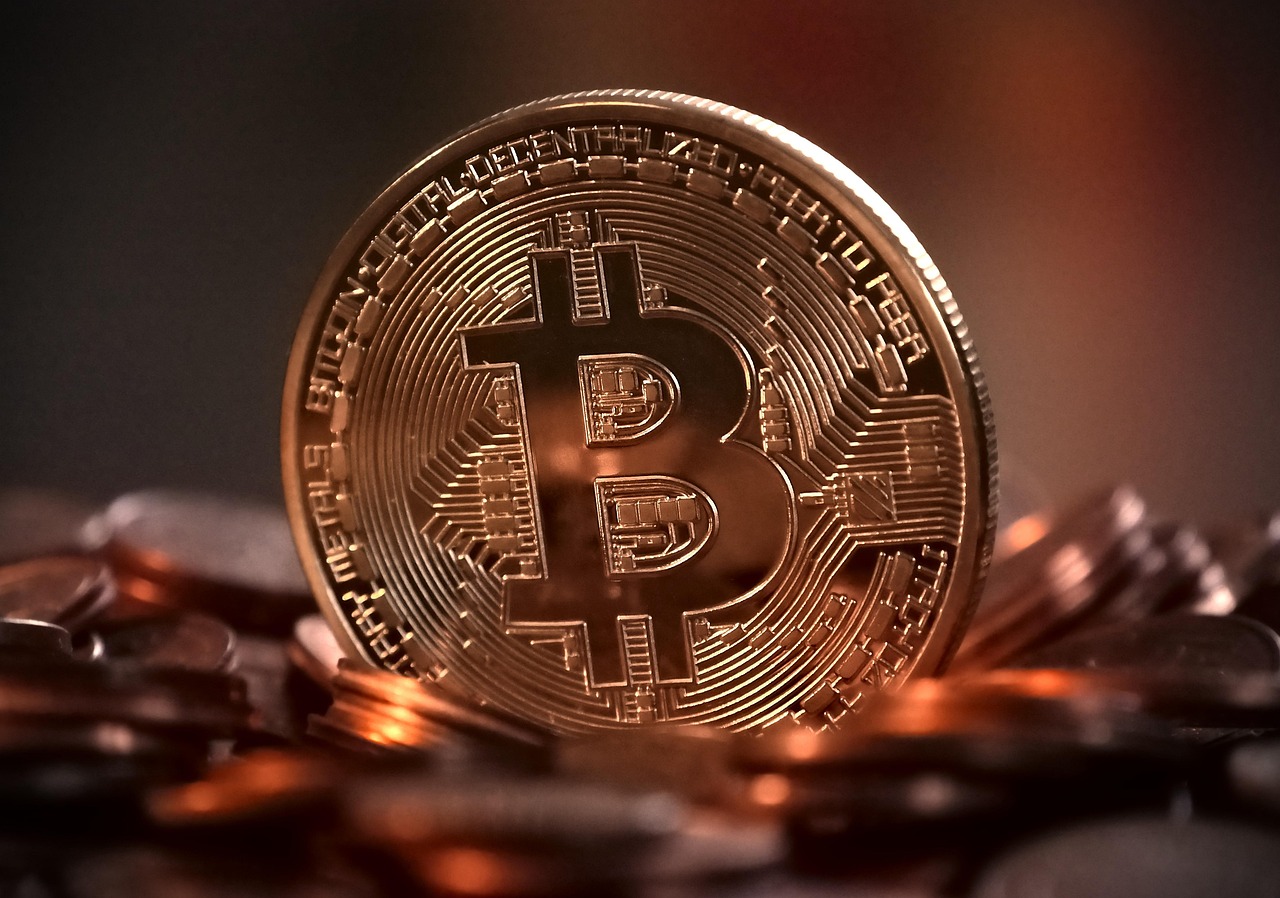

Decentralized Finance (DeFi): What You Need to Know
Decentralized Finance, often abbreviated as DeFi, represents a transformative shift in how we think about money and financial services. At its core, DeFi leverages blockchain technology to recreate and improve upon traditional financial systems without the need for intermediaries such as banks. Users can engage directly with one another, resulting in lower costs and increased efficiency. This new paradigm aims to make financial services accessible to everyone, regardless of geographical location. The potential for innovation within DeFi lies in its ability to allow individuals to lend, borrow, trade, and invest assets in a secure and decentralized manner. Essential components of DeFi include smart contracts, which are self-executing contracts with the terms of the agreement directly written into code. Decentralized applications (dApps) built on blockchains like Ethereum facilitate these transactions, creating a vibrant ecosystem where convenience and security are at the forefront. Understanding the principles of DeFi is crucial for potential users who wish to navigate this emerging landscape effectively. As DeFi continues to grow, the importance of educating oneself about risks and opportunities cannot be overstated.
To fully grasp the concept of Decentralized Finance, it’s important to recognize the key terms and components that underpin this burgeoning sector. First, users should familiarize themselves with blockchain technology, as it forms the bedrock of DeFi systems. Blockchains are distributed ledgers that enable transparency and security in recording transactions. Another vital term is cryptocurrency, which acts as digital assets within DeFi platforms, facilitating exchanges and trades. Ethereum has emerged as the leading platform for DeFi applications due to its robust smart contract functionality. Additionally, understanding liquidity pools is essential; these are collections of funds locked in smart contracts that allow for seamless trading while providing liquidity to the market. To further explore DeFi, one can visit relevant educational resources like DeFi Pulse or the Ethereum Foundation website. As with any financial sector, risks exist, and doing thorough research before participating can safeguard against potential pitfalls in this cryptocurrency-driven marketplace.
Moreover, it’s essential when exploring Decentralized Finance to be aware of the various platforms available and how they differ from traditional banks. A significant feature of DeFi is the absence of a central authority governing transactions; instead, users rely on a consensus mechanism to validate activity. Users engage in lending and borrowing through platforms like Aave, Compound, and MakerDAO, all of which employ innovative algorithms to determine interest rates and collateral requirements. Additionally, decentralized exchanges (DEXs), such as Uniswap and Curve Finance, enable users to trade cryptocurrencies directly, promoting greater autonomy and control. This level of decentralization reduces the potential for censorship and promotes financial inclusion, as services are accessible to anyone with an internet connection. Another noteworthy aspect of DeFi is the emergence of yield farming, which allows users to earn rewards by providing liquidity to various platforms. While these opportunities have their attractions, understanding their intricacies is vital for successful navigation in the DeFi landscape.
Potential Risks Within DeFi
Despite the promising landscape of Decentralized Finance, potential risks and challenges exist that users must consider. Given the largely unregulated nature of DeFi, users may encounter vulnerabilities such as smart contract bugs or exploits leading to loss of funds. These risks highlight the necessity of conducting thorough due diligence before engaging with any DeFi platform. Additionally, poorly constructed DeFi products can introduce systemic risks that may affect user portfolios across the ecosystem. Furthermore, market fluctuations and price volatility can significantly impact assets held within DeFi platforms, making them inherently riskier compared to traditional investments. Users must also consider liquidity risks, where funds may become temporarily inaccessible or difficult to withdraw during periods of high trading volatility. Furthermore, the ongoing regulatory discussions around cryptocurrencies hint that potential changes in the legal landscape may also affect user experiences within DeFi. As such, it’s crucial to stay informed about current developments and remain vigilant while navigating this intricate and rapidly evolving financial ecosystem.
Navigating the DeFi space effectively requires a strategic approach, beginning with building foundational knowledge and understanding basic principles. Users should start by exploring popular blockchain platforms and studying the available decentralized applications. Engaging in communities via forums or social media platforms can facilitate knowledge exchange and provide additional insights into the latest trends. Experimentation with smaller amounts of cryptocurrency can allow individuals to gain hands-on experience without risking significant capital. As users become more comfortable, they can explore more complex strategies, such as yield farming and liquidity provision. Nevertheless, always ensure to use a secure wallet and implement best practices for safeguarding personal keys and sensitive information. Understanding market dynamics and being aware of potential scams are critical as well. Participating in DeFi’s community-driven environment fosters collaborative learning and makes it more enjoyable. Consistently keeping abreast of new projects, protocols, and changes in the regulatory climate is essential for sustained success in DeFi. Embracing a cautious event-driven approach would encourage responsible financial decision-making while capitalizing on these innovative opportunities.
The Future of DeFi and Financial Services
The future of Decentralized Finance holds tremendous potential to reshape traditional financial services fundamentally. As awareness and adoption of DeFi platforms grow, established institutions must adapt or risk becoming obsolete. By merging traditional banking practices with decentralized technologies, the financial industry can create a more equitable, inclusive, and efficient ecosystem. Collaboration with regulatory bodies and policymakers may enable the responsible growth of DeFi while ensuring consumer protection and mitigating risks. Leading financial institutions are already beginning to explore the integration of blockchain technology, which is a promising sign for the evolution of modern finance. The rise of Central Bank Digital Currencies (CBDCs) also adds complexity to this landscape, as they could coexist alongside decentralized cryptocurrencies. While challenges undoubtedly persist, the innovative solutions born from DeFi promise to enhance user experience and revolutionize how financial transactions occur worldwide. As we witness accelerated experimentation and the convergence of finance and technology, staying engaged and informed will be crucial for harnessing opportunities arising from this developing sector.
In conclusion, Decentralized Finance offers a unique opportunity to challenge traditional financial systems and provide accessible, transparent alternatives for managing money. By leveraging blockchain technology and smart contracts, users can access various financial services without intermediaries. By understanding key components of the DeFi ecosystem, from lending platforms to decentralized exchanges, potential users can navigate these new avenues confidently. While there are challenges and risks associated with participating in DeFi, adopting a cautious approach and continuous learning will empower users to make informed decisions. The future landscape of finance promises immense opportunities for innovation, so seizing the moment can help individuals shape their financial futures positively. Staying active in DeFi communities will enhance users’ skills and knowledge, contributing to a more informed participation in this rapidly evolving sector. The ongoing dialogue around regulations and the future of finance suggests an exciting journey ahead as decentralized finance gains traction. Ultimately, DeFi encourages users to rethink financial relationships while paving the way for greater economic creativity and inclusivity.
As individuals engage with DeFi platforms and the broader cryptocurrency market, understanding its complexities is crucial. The landscape continues to evolve, introducing new opportunities and challenges. Maintaining awareness of emerging trends and technological advancements will aid users in navigating the DeFi space successfully. It is encouraged to remain cautious while participating in this rapidly changing environment. By approaching these opportunities with informed skepticism and dedication to learning, users can benefit from the growing potential that DeFi represents. Individuals should take advantage of numerous resources, including educational platforms, webinars, and community discussions, which can greatly inform and inspire engagement. Continuous education will foster confidence in engaging with DeFi and will promote responsible usage of financial tools. Developing adaptable strategies will ensure users can effectively meet their financial goals while embracing decentralization. As DeFi continues to mature, the possibilities for growth and innovation remain immense, leading to more robust financial ecosystems that will challenge conventional norms. Hence, retaining an inquisitive mind will help harness the full potential of decentralized finance while contributing to the ongoing transformation of global economic systems.