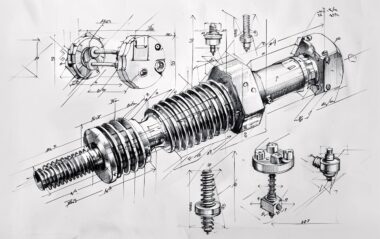

Designing Products for Easy Assembly to Reduce Labor Expenses
In today’s competitive market, designing products for easy assembly is crucial for companies aiming to reduce labor expenses effectively. Simplicity in assembly not only enhances productivity but also minimizes errors and the likelihood of costly rework. By embracing innovative design approaches, manufacturers can streamline operations, ultimately resulting in significant cost savings. A focus on user-friendly components is pivotal, allowing workers to assemble products efficiently without extensive training. The reduction of parts where possible can simplify overall assembly processes. Additionally, ensuring that components fit together seamlessly can help mitigate stress during assembly. Clear labeling and instructions further reduce assembly time and confusion, leading to a more efficient workforce. Adopting standardized parts across products can lead to lower inventories and simplified logistics. Emphasizing the role of ergonomics can also protect health and boost productivity for assembly workers. Finally, the integration of technology, such as augmented reality, can assist in guiding assembly with visual aids, promoting accuracy and speed. Embracing these strategies equips companies to thrive while focusing on reducing labor costs and enhancing assembly efficiency.
Analyzing the whole production process reveals numerous opportunities to implement changes, especially at the design stage. Companies can emphasize modular product designs that allow for easier assembly and disassembly. By using fewer, standardized components, manufacturers can not only cut down on production complexity but also limit inventory costs. Moreover, considering manufacturing processes during the design phase ensures that products transition smoothly from concept to production. Collaborative efforts among engineering, manufacturing, and supply chain teams are essential in this context. Implementing prototyping tools enables companies to assess assembly sequences in simulations, identifying potential hurdles before production begins. Building relationships with suppliers that prioritize flexibility can also contribute to lower costs associated with production. Specialized tools can be introduced to assist laborers in the assembly process, reducing the need for complex manual operations. Employees should also receive training focused on the new assembly processes and tools, empowering them to achieve greater efficiency. These strategies cumulatively contribute to a robust framework that minimizes labor expenses without sacrificing product quality, ultimately enhancing a company’s bottom line.
Improving Product Design Through User Feedback
To maximize efficiency, incorporating user feedback into the product design process is invaluable. By understanding the experiences of assembly workers and end-users, designers can identify specific challenges related to the assembly process. Focus groups and surveys are effective methods for gathering insights on which parts are awkward or complex. Therefore, the design team can then propose adjustments based on real-world experiences, making improvements that facilitate better assembly practices. Encouraging communication between assembly teams and designers fosters a culture of collaboration aimed at continuous improvement. Furthermore, tech solutions like digital twins can help visualize and analyze assembly challenges beforehand. These proactive steps ensure that the final product is not only functional but is also efficiently designed for assembly. Engaging users during initial testing phases allows companies to refine their products before mass production begins. Addressing concerns early on reduces the likelihood of time-consuming modifications later in production. Ultimately, promoting a feedback loop elevates assembly processes, minimizes labor costs, and enhances overall product value.
Lean manufacturing principles align closely with the concept of designing for easy assembly. This methodology emphasizes waste reduction throughout the production process, making it vital to assess each component’s role in assembly efficiency. Implementing strategies such as value stream mapping allows teams to visualize the flow of materials and identify bottlenecks. By concentrating on reducing excess steps and focusing on simplifying operations, companies can achieve their cost-reduction goals. Additionally, fostering a culture where workers suggest improvements encourages ongoing dialogue that can lead to transformative ideas. Kaizen, a continuous improvement strategy, encourages small, incremental changes that cumulatively result in significant labor cost reductions. Efficient designs often directly translate into shorter assembly times and favorable labor conditions. Incorporating automation into the assembly process can also be beneficial when designed effectively. Automated assembly solutions should be designed with maintainability and user-friendliness in mind. By doing so, companies can find a balance between human labor and machine efficiency while controlling costs effectively. Overall, the synergistic relationship between lean principles and effective design enables companies to establish a solid foundation for long-term success.
The Role of Technology in Designing for Assembly
The integration of technology plays an essential role in improving product designs for easy assembly. Evaluating the potential of advanced manufacturing technologies such as 3D printing offers significant advantages. These techniques enable rapid prototyping, allowing for quick iterations of product designs based on assembly efficiency. Software applications are also available to simulate assembly procedures, providing critical insights into potential performance issues before physical production begins. Virtual and augmented reality tools can further enhance the visualization of assembly processes, thereby educating laborers effectively. By making use of such technologies, companies can align their designs with usability, ensuring streamlined processes that significantly reduce labor costs. Digital collaboration platforms also contribute by allowing teams to share designs and ideas in real time, regardless of location. Cross-functional teams can thus evaluate designs, suggest alterations, and optimize assembly sequences effectively. Investing in advanced technology not only mitigates risks of errors in assembly but can also capture data for continual improvement. Embracing these technological advancements positions companies at the forefront, aligning their ambitions for labor cost reduction with high-quality, innovative product offerings.
Supply chain management directly influences a company’s ability to achieve cost savings through efficient product design. Establishing strong partnerships with reliable suppliers fosters a smoother flow of material, supporting efficient assembly processes. Determining the best sourcing options requires evaluating production materials that allow for streamlined assembly without compromising quality. Companies must stay vigilant about innovations within the supply chain, to incorporate advanced materials or components that enhance assembly efficiency. Additionally, engaging suppliers in early design discussions fosters collaboration, enabling teams to consider entire systems when designing a product. By establishing key performance indicators related to assembly speed and error rates, teams can emphasize measurable outcomes and clarity throughout the supply chain. Ensuring proper timing and logistics can minimize delays and enhance labor efficiency significantly. A well-organized supply chain aligned with effective product design strategies creates a competitive edge in reducing overall costs, equipping teams for sustained efficiency. Furthermore, consistent evaluations of supplier performance allow companies to refine their approaches, ultimately lowering expenses while maximizing assembly effectiveness and efficiency. Both product design and supply chain should work in concert towards achieving shared business goals.
Conclusion: The Future of Cost-Effective Design
In conclusion, designing products for easy assembly is a critical factor in reducing labor expenses and achieving operational success. By focusing on user-friendly designs, integrating advanced technologies, and fostering collaboration across teams, companies can realize significant improvements in assembly efficiency. Employing lean manufacturing principles strengthens the foundations for ongoing improvements with a clear path toward cost reductions. Feedback mechanisms involving assembly workers play a vital role in refining processes and products for user-centric design. Forward-thinking companies are leveraging innovations like 3D printing and augmented reality to enhance assembly processes, making labor more productive and less error-prone. A strong commitment to ongoing collaboration within supply chains enables businesses to adapt and continually evolve their strategies for both product design and assembly efficiencies. Sustainability also emerges as a vital consideration as companies strive to balance costs and environmental impacts within their designs. As customer expectations continue to evolve, finding cost-effective solutions in product design will remain paramount in the business landscape. Staying ahead will not just involve keeping costs low; it will also ensure lasting value through thoughtful, efficient product innovations.
Not only do they help reduce labor expenses, but they contribute to the overall effectiveness of the manufacturing process. Embracing a holistic view of design, supply chain, and assembly employees creates a foundation for sustainable growth that can withstand competitive pressures. The future will witness companies enhancing their focus on efficient assembly protocols while balancing quality and cost efficiency. Tools and practices that drive assembly speed while providing a positive employee experience will emerge as key differentiators in the marketplace. The commitment to this principle may involve ongoing training, continuous feedback loops, and the savvy utilization of data analytics. Overall, companies that prioritize designing products for easy assembly will find themselves well-positioned to adapt to changing market conditions and customer demands. Emphasizing innovation and workforce efficiency creates an adaptable manufacturing environment that can pivot toward emerging opportunities. Thus, in a rapidly evolving landscape, the trajectory toward enhanced efficiency through thoughtful product design will be a defining characteristic of successful organizations in the years to come.