
Steps to Take Before Closing a Credit Card to Avoid Credit Damage
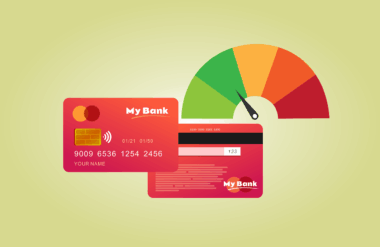
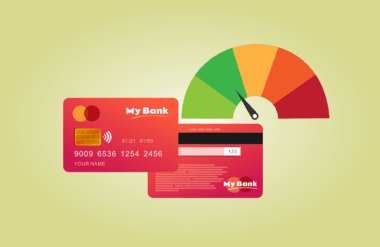
Closing a credit account may seem like a straightforward financial action, but it can have substantial implications on your credit score. Your credit score is significantly influenced by your credit utilization ratio, which is a measure of how much credit you’re using compared to your total available credit. When you close a credit account, you effectively reduce your total available credit. Therefore, if you maintain high balances on your remaining cards, your utilization ratio may increase, possibly leading to a dip in your score. Before deciding to close an account, it is crucial to assess your overall credit utilization. Aim to keep your utilization below 30%. Additionally, you should monitor any recent changes in your credit score as a result of this decision. There are various tools available that allow you to track your credit score easily. Using these tools, you can anticipate how a potential account closure might affect your credit history before making any irrevocable decisions. Keep in mind how your actions can have long-term effects on your creditworthiness and financial opportunities.
Before proceeding to close a credit card, another essential step is to check your credit reports for any inaccuracies. Mistakes in credit reports are not uncommon, and they can affect your credit score negatively. Obtain copies of your credit reports from the three major credit bureaus: Experian, Equifax, and TransUnion. Review each report thoroughly to ensure that all information is accurate and up to date. If you find inconsistencies, such as accounts that don’t belong to you or incorrectly reported late payments, take immediate action to dispute these errors. Correcting inaccuracies can improve your score significantly and will help you see a more accurate picture of your credit health. You can dispute errors online and typically, the bureaus are required to respond promptly. Make sure to document your interactions and keep records of any disputes that you initiate. By ensuring your credit report reflects accurate information, you’ll safeguard your credit score and potentially mitigate the negative impact that closing an account could have.
An important aspect to consider is the age of the credit accounts you plan to close. Closing older accounts can affect the average age of your credit history, which comprises a vital component of your credit score. Lenders typically favor consumers with longer credit histories, as they are viewed as a lower risk. If you have multiple accounts yet decide to close an older one, you may shorten your credit history and harm your score in the process. On the other hand, if an account has annual fees and limited usage, it may make sense to close it even if it’s older. Balancing the importance of account age with the account’s cost and your usage habit is critical. To maintain a healthy credit score post-closure, consider keeping your oldest credit accounts active with minimal charges to demonstrate responsible credit use. In this way, you can minimize damage to your score while still managing unnecessary costs associated with your credit accounts.
Pay Off Balances Before Closing
If you’re considering closing a credit card, one critical step is to pay off any outstanding balances before doing so. A zero balance not only simplifies your finances but also minimises the negative impact on your credit utilization ratio. This ratio is an important factor in calculating your credit score and is calculated by dividing your total credit card balances by your total credit limits. Maintaining a zero balance will leave your utilization ratio unaffected and help preserve your credit score. Furthermore, carrying a balance on a credit card can incur interest charges, making debts harder to pay off. By clearing your balances, you not only make closing the card easier but also ensure that you are set up for better financial health. If you currently carry balances on multiple cards, focus on eliminating these debts methodically. Once you are clear on existing credit obligations, you can confidently decide whether to close the credit account without compromising your creditworthiness or incurring additional costs.
Another recommendation before closing a credit card is to consider the repercussions on your credit mix. Credit scoring models generally favor diverse credit profiles featuring a mix of revolving and installment accounts. Credit cards are classified as revolving accounts, while loans such as car loans or mortgages fall under installment accounts. Closing a revolving account may reduce the diversity of your credit mix, which can inadvertently lower your score. A well-rounded credit profile helps demonstrate your ability to manage different types of credit responsibly. If you’re leaning towards closing a card, consider how it aligns with your overall credit strategy and goals. Prioritizing a balanced credit mix can keep your score healthy and ensure lenders view you as low risk. If credit diversification is a concern, you may want to opt for keeping open revolving accounts, even if they aren’t used frequently, to maintain that beneficial mix. On the flip side, ensure that you are comfortable managing diverse credit types effectively.
Impact on Future Credit Applications
Evaluating the impact on future credit applications is another crucial step. If you plan to apply for a large loan, such as a mortgage or car loan, wait until after you close credit accounts. Each time you apply for new credit, a hard inquiry is performed on your credit report. These inquiries can temporarily lower your score. If you’re planning to apply for credit soon, the timing of closing an account could be detrimental. Maintaining a healthy credit score during this time is essential as it influences the interest rates you may be offered. By delaying closure, you can keep your score stable, thus potentially securing more favorable lending rates. Use this time to rebuild other financial aspects, such as building a robust payment history with existing accounts. Additionally, ensure that the decisions you make regarding account closures are aligned with your overall financial strategy, including plans for new credit applications. Being strategic and well-planned about these changes will help you navigate your credit landscape more effectively.
Lastly, communicate with your credit card issuer before you close an account. Many issuers may offer incentives or solutions that could make keeping the account open worthwhile. They often provide benefits such as waiving fees, increasing credit limits, or even providing rewards for maintaining your account. In some cases, these options may be more beneficial in the long run than closing the account. Don’t hesitate to reach out and ask about alternatives if you’re facing issues such as high fees or inadequate rewards. Customer service representatives can guide you on the best options available. Additionally, building a good relationship with your credit issuer can serve you in the future, especially during times when you need support or assistance. Engaging with your lender and exploring resolution options may ultimately encourage you to keep the account open, which can help avoid unnecessary credit damage. It’s always advisable to explore all your options before making a final decision.
In conclusion, making an informed decision regarding closing a credit account involves several critical steps. Properly assessing the impact on your credit score, checking for inaccuracies, and evaluating the account’s age and balance are paramount. Additionally, considerations of credit mix and the effects on future applications should not be overlooked. Keeping communication open with your creditors may reveal better alternatives that can help you avoid credit damage. Each financial decision you make should prioritize your long-term credit health while also ensuring immediate financial stability. By being strategic and thoughtful about your credit management, you set yourself up for future success. Take the time to weigh your options thoroughly and consult with financial advisors if necessary, as this can provide valuable insights. Remember, preserving your credit score is critical not only for securing better loan terms but also for fostering overall financial well-being. With careful planning and intentional actions, you can mitigate any potential negative consequences of closing a credit account, ensuring a solid foundation for your financial future.