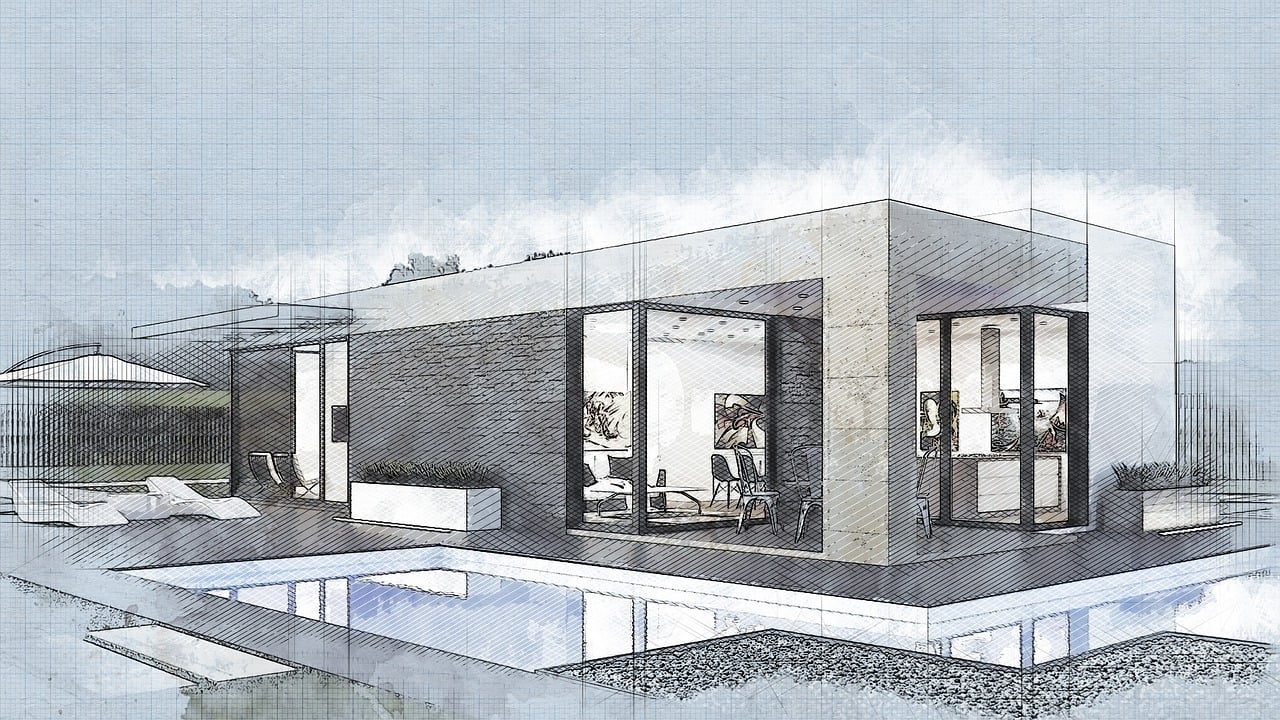

Using USDA Loans to Buy Manufactured or Modular Homes
USDA loans offer a great opportunity for individuals interested in purchasing manufactured or modular homes. These loans are designed to promote homeownership in rural areas, making them a popular option for those looking to settle outside urban environments. One of the primary benefits of USDA loans is that they require no down payment, creating access for a wider range of buyers. Eligibility is based on income and property location, ensuring that individuals from lower to moderate-income levels can afford their homes. The homes purchased also need to fit specific safety and habitability standards, ensuring quality for the occupants. It’s essential to check the USDA website for the latest information regarding loan applications, including necessary documentation. Moreover, prospective buyers should also consult with lenders experienced in USDA loans to facilitate a smooth transaction. Understanding the intricacies of these loans, including terms and interest rates, will empower buyers to make informed decisions. Many lenders also provide assistance throughout the purchasing process, which can significantly ease the burden on first-time buyers looking to acquire a manufactured or modular home.
Eligibility requirements for USDA loans are primarily determined by specific criteria. To qualify, applicants must demonstrate a stable income that meets USDA guidelines without exceeding predetermined limits. This ensures that the loan can be managed within the borrower’s financial means. Additionally, properties must be situated in designated rural areas, which can vary as per the USDA’s updated maps. Applicants also need to demonstrate the capacity to repay the loan, often shown through creditworthiness and financial history. Importantly, USDA loans are non-conventional and often cater to first-time homebuyers who may lack a substantial credit history. This characteristic makes them distinct from traditional mortgages, appealing to those who might otherwise face challenges in securing financing through conventional means. Furthermore, USDA loans can cover closing costs, reducing the upfront financial burden on homebuyers. As families look for affordable options, it’s important to consider the long-term benefits of owning a manufactured or modular home financed through USDA assistance. These homes can serve as a sustainable choice for families seeking stability in their living situation.
Understanding the types of manufactured and modular homes eligible for USDA loans is crucial. Manufactured homes are constructed in factories and transported to the home site, while modular homes are built in sections and assembled on-site. Both types provide affordable housing alternatives, particularly in rural settings. However, to qualify for USDA financing, these homes must meet the agency’s specific standards. Eligible homes should be affixed to a permanent foundation, ensuring they are considered real property. Additionally, homes need to comply with local building codes and regulations, which may involve inspection processes. Applicants should ensure that the chosen home meets USDA criteria and aligns with their needs, considering factors like size and community amenities. Working with a knowledgeable real estate professional can be beneficial in navigating these requirements. Financing a manufactured or modular home can be simplified by obtaining pre-approval from a lender familiar with USDA loan intricacies. This approach not only ensures eligibility but also streamlines the home purchasing process. Embracing these loan options opens opportunities for many families to achieve the dream of homeownership.
Benefits of Choosing Manufactured or Modular Homes
Opting for manufactured or modular homes carries various advantages, especially when financed through USDA loans. One notable benefit is affordability; these homes typically cost less than traditional single-family residences, making them accessible for those on a budget. The construction process, conducted in controlled environments, can also reduce costs, which translates to savings for buyers. Additionally, many manufactured or modular homes offer modern amenities, presenting an attractive living option for new homeowners. Furthermore, these homes can be personalized, allowing buyers to select designs that reflect their unique tastes and preferences. The energy efficiency of these homes is another critical aspect; contemporary models often include energy-saving features that lower utility costs, contributing to long-term savings. Buyers should consider the potential for appreciation over time as well; well-maintained modular homes can increase significantly in value in the right market conditions. Overall, navigating the selection and purchase of these homes through USDA financing provides a unique and viable solution for families aiming for affordable living options without sacrificing quality.
Utilizing USDA loans for manufactured or modular homes can also lead to a streamlined purchasing process. Lenders specializing in USDA financing understand the specific requirements for eligibility and documentation, guiding buyers efficiently. From pre-approval to closing, having a knowledgeable lender can simplify each step significantly. Another benefit is the loan’s competitive interest rate, which allows buyers to secure favorable long-term financing terms. This is particularly advantageous in a fluctuating market where interest rates can vary significantly. Moreover, USDA loans do not carry private mortgage insurance (PMI), which can elevate monthly payments significantly; this can lead to substantial savings each month. Buyers are encouraged to weigh these advantages against the requirements for securing USDA loans, understanding the implications of their financial situation. Furthermore, by successfully securing a loan, individuals may feel empowered to build equity, thus enhancing their overall financial health. As buyers research their options, taking the time to explore various lenders is essential. Selecting the right lending partner plays a crucial role in ensuring a seamless home buying journey.
Challenges Associated with USDA Loans
While USDA loans for manufactured and modular homes provide valuable benefits, they also present certain challenges that potential buyers should consider. One challenge lies in identifying properties that meet USDA guidelines, as the home must be located in a qualified rural area. Buyers might find limited choices due to these restrictions, necessitating thorough research. Additionally, loan processing times can be longer compared to conventional financing, given the extensive documentation that USDA requires. It’s critical for buyers to stay organized and responsive during the application process to avoid delays. Furthermore, potential buyers must navigate the complexities of property inspections to ensure compliance with safety standards. This process may require additional expenses and could add time before closing. Understanding these challenges upfront can help buyers apply more effectively for their desired loans. Moreover, it may be wise to work with local housing authority experts who understand the nuances of the USDA loan process. By preparing adequately, buyers can mitigate frustrations and streamline their path to homeownership.
In conclusion, navigating the world of USDA loans for purchasing manufactured or modular homes offers both unique opportunities and challenges. Buyers benefit from the no-down-payment requirement and affordable housing options that these programs provide. Still, it is crucial to understand the eligibility and property requirements thoroughly. As prospective homeowners explore options, consulting with qualified lenders can enhance their understanding of processes involved. Moreover, educating oneself about the type of home that best fits their needs and aligns with USDA guidelines is vital for a successful purchase. Many resources, including materials available on USDA’s official website, can help buyers feel more informed about their options. Furthermore, engaging with real estate professionals experienced in the USDA loan process can make a significant difference. They can provide insights on market trends and property availability. By taking time to evaluate all available options, families can reach their dream of homeownership much more smoothly. Keeping informed about ongoing changes to USDA loan programs is equally important for those looking to buy manufactured or modular homes.
Ultimately, investing in a manufactured or modular home positioned under a USDA loan can lead to financial stability and increase opportunities for enjoyable living in rural areas. As demand for affordable housing continues, these loans emphasize accessibility and sustainable homeownership. Thus, tapping into these funding avenues could lay down strong foundations for future generations. In every aspect from financial criteria to property selection, research plays a pivotal role in the success of potential homebuyers. Knowledge is power; understanding the ins and outs of financing options can empower buyers. The journey to owning a manufactured or modular home has the potential to enhance the lives of families who seek both affordability and quality. Alternatively, buyers can also explore various community resources dedicated to aiding successful homeownership. These resources help shed light on comprehensive solutions for interested buyers. Following this pathway can lead to transformational change, providing stable living environments. Embracing the homebuying journey with the right knowledge leads to an increasingly bright future.