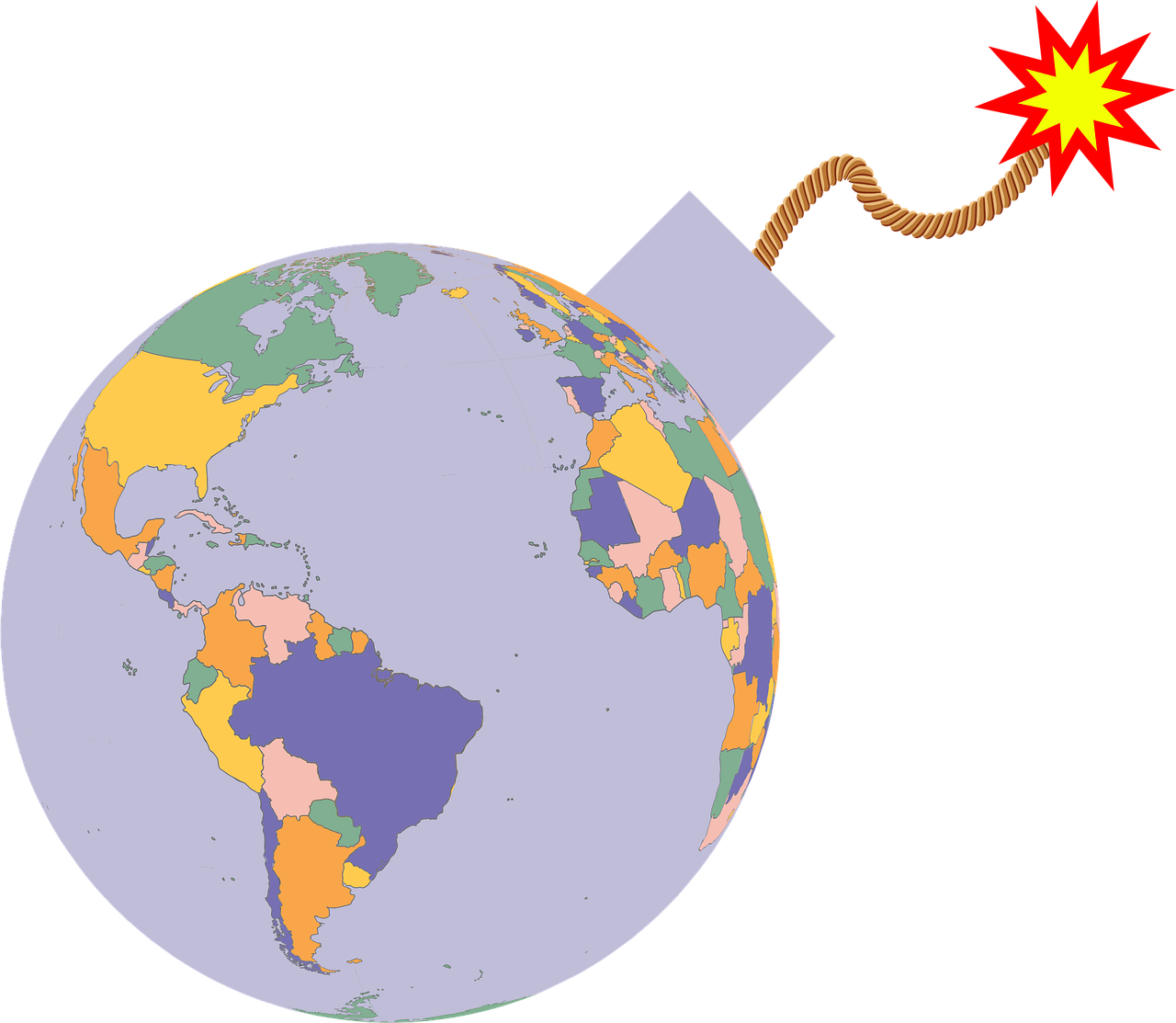

Key Factors in Political Risk Analysis for Investors
Political risk evaluation is critical for investors looking to expand their portfolios globally. Understanding the unique factors that contribute to political risk can mean the difference between sustainable profits and devastating losses. First, investors must assess the stability of the political environment in host countries. This includes analyzing current government policies, historical data on political stability, and recent events that may indicate a shift in power or policy direction. Effective political risk evaluation also requires considering the relationship between the state and its citizens. Issues such as human rights violations, corruption, and public dissent can all heavily influence investment outcomes. Furthermore, economic stability directly links to political risk; a tumultuous economy often leads to political unrest. An investor must be familiar with legal frameworks governing foreign investments to mitigate risk exposure. Regulatory changes can abruptly affect business operations. Utilizing political risk assessment tools and methodologies can enhance decision-making. Finally, understanding local cultural factors is vital; they can provide insights into potential risks and rewards, helping investors navigate the intricacies of foreign markets effectively.
Furthermore, investors should keep a close watch on international relations when analyzing political risk. Diplomatic ties between countries can significantly impact business operations and investment decisions. For example, sanctions or trade agreements can alter the landscape, making it beneficial to understand the geopolitical dynamics at play. In addition to this, the role of international organizations cannot be overstated. Entities like the United Nations or the World Bank often act as mediators in political disputes and their influence can shape the behavior of governments. Understanding the guidelines and recommendations issued by these organizations can help investors anticipate potential changes in the political climate. Furthermore, the role of social movements and public sentiment is vital in political risk analysis. The growing power of citizens in influencing government action brings new challenges and opportunities for investors. Local sentiments towards foreign investors can sway political decisions and result in new regulations. Investors must remain adaptable and responsive to such pressures. Lastly, establishing a local presence or partnership can mitigate some of these risks, offering direct insights into the political and social landscape of the targeted investment area.
Economic Metrics and Indicators
It is crucial for investors to incorporate economic metrics when evaluating political risk. Factors such as inflation rates, unemployment levels, and GDP growth strongly correlate with political stability. High inflation can erode purchasing power, causing friction between the government and its citizens. Consequently, investors should closely monitor changes in these metrics, as they serve as indicators of potential unrest or support for political structures. Equally important is currency stability; fluctuations can render investments less predictable. Political risk evaluation must also consider external debt levels, as they impact government spending and its ability to engage with foreign investors. A government burdened by high debt may become more susceptible to changes in political favor, which could threaten ongoing investments. Additionally, understanding trade balances helps investors gauge economic resilience. A significant trade deficit may prompt political action that could impact foreign investment negatively. Investors must not overlook local market conditions; unforeseen disruptions can arise from shifts in economic policy. Finally, anticipating government responses to economic challenges enables better risk management and strategic positioning in a volatile environment.
Furthermore, investors should focus on the legal environment and its evolution when analyzing political risk. The rule of law remains paramount; without a reliable legal framework, investments can be jeopardized. A comprehensive understanding of property rights and contract enforcement can prevent losses arising from political interference. Subsequently, potential investors must evaluate the independence of the judiciary. An impartial judicial system fosters a sense of security for investors and encourages foreign investment. The increased risk of expropriation or nationalization should also be factored in; sectors considered vital for national interests are often targets for state intervention. Political risk analysis must involve a thorough examination of existing legislation governing foreign investments. Regulatory transparency is crucial for a healthy investment climate. Governments that make significant policy changes without warning can cause investor mistrust. Additionally, foreign currency regulations impact profit repatriation, highlighting the importance of remaining informed of legal constraints. Investors must also network with local stakeholders and legal experts to gain timely information on these evolving conditions. As a result, crafting a flexible investment strategy will allow better navigation through legal complexities.
Social and Cultural Considerations
Understanding social dynamics is equally important in political risk evaluation. Each country possesses distinct cultural norms and values that can influence business interactions and investment opportunities. A basic understanding of local customs and societal expectations can enhance an investor’s ability to navigate challenges effectively. Investors should assess the societal structure, identifying influential groups and understanding their stake in political dynamics. Social factors, including education levels and demographic compositions, can significantly impact consumer behaviors and market potentials, making them crucial for risk assessments. Moreover, emerging social movements can sway public opinion, potentially redirecting government policies to favor local priorities. Investors must remain vigilant and attuned to these movements, allowing them to proactively adapt strategies. It is important to foster local relationships and engage in Corporate Social Responsibility (CSR) initiatives that resonate with community values. Such actions can enhance reputation and significantly mitigate political risks. Effective communication, utilizing social media platforms, is essential for gauging public sentiment toward investments. Finally, cultural competency encompasses language barriers and negotiation styles, which can affect business proposals and stakeholder engagement.
As investors analyze political risk, contingency planning becomes indispensable. No matter how thorough the analysis, unexpected events can still disrupt investment plans. Developing a robust risk management strategy should include crisis management protocols to address unforeseen occurrences. Investors must devise alternative plans to respond to potential negative outcomes stemming from political instability. This becomes even more critical in regions with a history of volatile governance structures. Furthermore, insurance instruments such as Political Risk Insurance can act as safety nets, providing financial protection against government actions detrimental to investments. Optimally, investors should diversify their portfolios geographically, spreading exposure across regions to mitigate potential losses due to localized political issues. Engaging in regular monitoring of political, economic, and social factors can inform timely decisions and enhance adaptive strategies. Relationships with local advisory firms can provide insights and establish opportunities. Additionally, employing data analytics can transform raw data into actionable insights, helping predict potential risks. Ultimately, assembling a multidisciplinary team of experts allows investors to address complexities and better navigate the political landscape. By incorporating these practices, investors can elevate their political risk evaluation processes.
Conclusion: Strategic Implementation
In conclusion, political risk analysis is essential for informed investment decisions. This increasingly complex interplay among politics, economics, and society necessitates robust evaluation methods that account for shifting dynamics. Investors must remain proactive in their analyses, developing strategies that are both comprehensive and flexible. Engaging with local stakeholders strengthens investment approaches, allowing for better alignment with community objectives. Utilizing technology and data analytics can streamline risk assessments and facilitate timely decision-making. Furthermore, maintaining an adaptive mindset ensures that investors can respond to changes promptly, safeguarding investments from unexpected shifts. Political risk is inevitable; however, being prepared can significantly reduce its impact. Consequently, employing a multifaceted approach that includes economic, legal, social, and governance assessments will yield fruitful insights. As global connectivity increases, the significance of political risk evaluation grows, emphasizing the need for robust frameworks and responsive strategies. Ultimately, savvy investors who prioritize political risk analysis will find more opportunities in a complex global landscape, capitalizing on potential rewards while minimizing exposure to adverse events throughout their investment journey.
This final analysis encapsulates key themes surrounding political risk evaluation. Understanding the interconnectedness of various risk factors allows investors to cultivate a more nuanced investment perspective. Investors must proactively analyze political environments, social structures, legal frameworks, and economic metrics to craft effective political risk strategies. The process requires a vigilant approach towards ongoing developments and dynamic changes within markets. Thorough political risk evaluation ensures that investments are both sustainable and profitable over time. Moreover, investors are empowered to make informed choices by understanding these critical factors, minimizing exposure to potential losses due to political turmoil. At its core, political risk analysis is not merely a theoretical exercise; it is a practical approach that has real-world applications in investment planning. Investors who embrace these principles can enhance resilience and adaptability amidst uncertainty. Lastly, as relevant political events increasingly shape global marketplaces, an appreciation for political risk evaluation becomes paramount. Continually refining risk management processes strengthens investor confidence and paves the way for strategic growth in diverse regions.