
What Lenders Look for: Insights into Credit Scores and Loan Approval
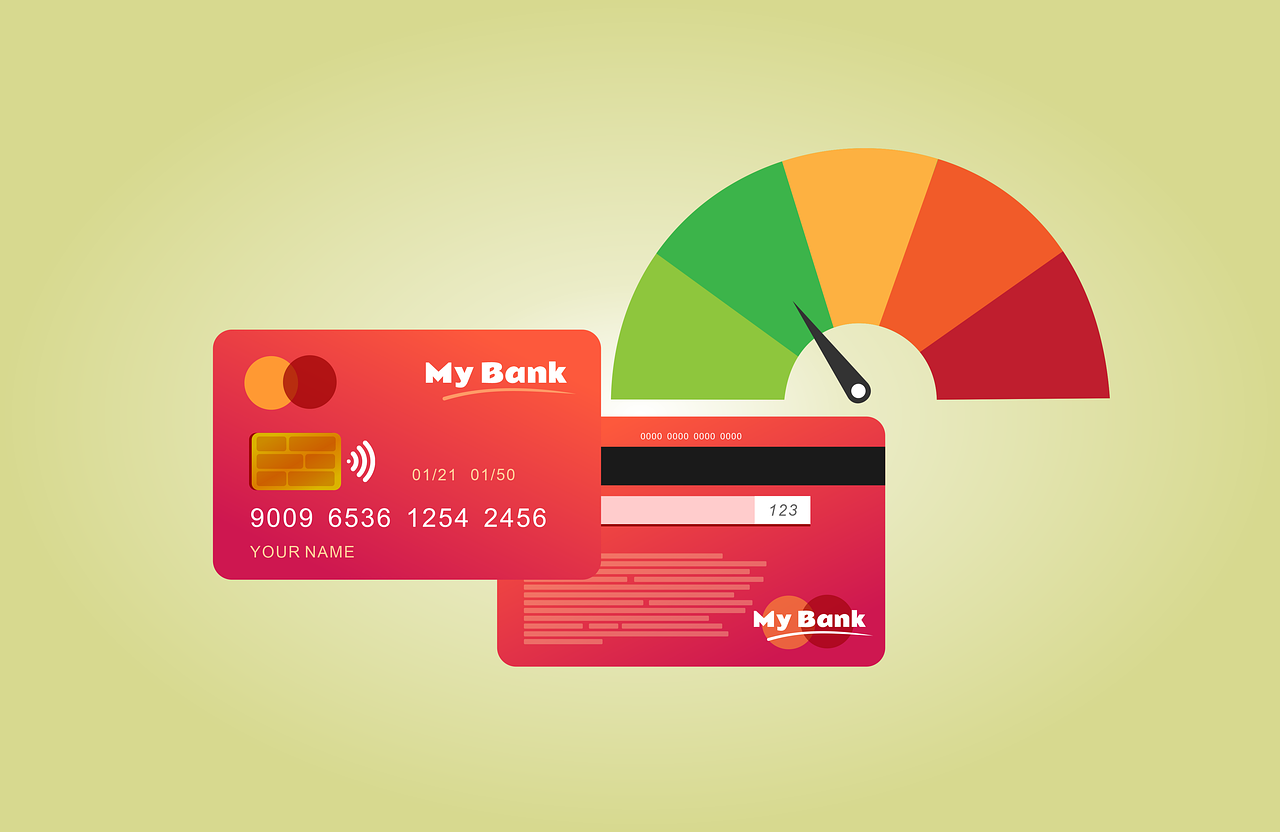
Your credit score is a crucial factor when it comes to loan approval, serving as a key indicator of your financial health. Lenders use your credit score to evaluate your potential risk as a borrower. Generally, a higher score signifies to lenders that you are more likely to repay borrowed money. Credit scores typically range from 300 to 850, with scores above 700 often considered good. Factors influencing your credit score include payment history, credit utilization, length of credit history, types of credit, and recent credit inquiries. For example, obtaining new loans can lead to temporary dips in your score, impacting future loan applications. It is crucial to maintain an optimal score by making timely payments and keeping your debt levels low. Regularly reviewing your credit report can also help identify areas that need improvement. If you spot any inaccuracies, disputing them promptly can enhance your score. Additionally, financial coaching can provide personalized advice on managing your credit effectively, setting you on the right path toward better loan opportunities.
Understanding the components that make up your credit score can empower you to improve it effectively. The most significant element is your payment history, accounting for approximately 35% of your score. Paying bills on time consistently reflects fiscal responsibility, enhancing your reliability as a borrower. Following this is your credit utilization ratio, which represents 30% of your score. This ratio is calculated by dividing your total debt by your total credit limit; aim to keep it below 30%. Regularly maintaining your credit accounts over long periods contributes 15% of the score and shows lenders your experience managing credit responsibly. The variety of your credit accounts, known as credit mix, comprises 10% of your score and includes credit cards, mortgages, and auto loans. Lastly, new credit inquiries matter too, forming another 10%. Too many inquiries can lower your score, signaling potential risk to lenders. A potential strategy for improving your score involves focusing on paying off debts and ensuring all payments arrive on time, which can create a more robust financial profile.
When seeking loan approval, understanding the role of lenders is crucial. Lenders assess your credit score alongside other factors, like your income, employment status, and overall financial situation. Personal preferences often dictate lending criteria across different financial institutions. Some lenders may take a more personal approach, considering factors like employment stability or time at your job. Alternatively, others strictly adhere to industry standards, focusing primarily on your credit score. It’s vital to research different lending options and determine which lenders are most likely to approve your loan based on your credit profile. Enhancing your credit score can significantly improve your chances of securing favorable loan terms and lower interest rates. Even minor adjustments in your financial habits can yield positive results. Additionally, pre-qualification processes can help potential borrowers understand where they stand before applying officially. Pre-qualification involves a soft credit inquiry, giving you a general idea of potential loan offers without impacting your score. If your score is less than ideal, it might be beneficial to delay your application while improving your financial health.
Preparing for Loan Applications
Preparation is key when applying for a loan, and understanding your financial landscape helps in selecting suitable loan products. Begin by gathering all necessary financial documents, including pay stubs, bank statements, and tax returns, reflecting your income and expenses accurately. Lenders often require this documentation as part of their underwriting process to assess your overall financial profile. Knowing your credit score beforehand can save you time and effort in applying for loans, as it equips you with realistic expectations. If your score is below what most lenders require, consider working on it before applying. Addressing any irregularities, such as high credit card balances or past-due accounts, can have substantial effects on your score. Furthermore, consider reaching out to a financial coach for expertise regarding financial literacy and specific strategies to address credit issues. They can provide insight into how to improve your situation while guiding you through the application process and helping you prepare engaging questions to ask lenders. Taking these steps will prepare you better for successful loan approval.
Besides evaluating financial documents, lenders may conduct interviews to gather more personalized insights into applicants. Be prepared to discuss your financial history candidly, including the rationale behind any financial decisions impacting your credit. This human element allows lenders to understand your situation better. For instance, if you faced financial hardships, clearly explaining circumstances can help lenders evaluate your current risk profile more generously. Engaging in positive conversations can foster trust, providing lenders reassurance about your ability to manage future repayments. It’s also wise to ask detailed questions about the loan terms. This proactive dialogue establishes your seriousness in securing a loan while ensuring you understand the obligations fully. Additionally, inquiring about potential fees and interest rates can help you learn what to expect, allowing you to make informed decisions. Loan terms can vary significantly between lenders, so considering all aspects is crucial. With robust preparation, detailed knowledge, and transparent dialogue, you can positively influence lenders’ perceptions of your loan request.
Once you secure a loan, maintaining a well-managed financial routine is essential for credit score improvement. Regularly monitor your credit report to manage discrepancies impacting your score. Many financial institutions provide free annual credit reports you can use for this purpose. A comprehensive understanding of your report can highlight areas needing immediate attention. Such vigilance ensures that any lingering debts or unresolved discrepancies are addressed. Also, always prioritize timely payments across all credit accounts, as consistent on-time payments are critical for long-term improvements to your score. Setting alerts for due dates or using autopay features can reduce the chances of overlooking payments. Another practical aspect involves minimizing credit utilization, as low balances relative to credit limits bolster scores significantly. Regularly paying down your credit card balances can create a more favorable picture for lenders. Closing unused credit accounts might seem appealing to some but can negatively affect your utilization ratio; thus, keeping them open is often advised. Creating a sound approach that prioritizes timely payments and efficient use of credit will yield substantial benefits over time.
Conclusion
In conclusion, the path to understanding credit scores and their impact on loan approval involves research, preparation, and maintenance. Being aware of your credit score, the factors influencing it, and what specific lenders value can establish a solid foundation for future financial stability. Consider all the elements that contribute to your overall credit health and actively work on enhancing your score, which will increase your chances of securing loans with favorable terms and lower rates. Moreover, seeking guidance from financial professionals can aid in navigating credit improvement strategies effectively. The journey towards better credit management requires commitment and consistency but is ultimately rewarding as it leads to increased financial opportunities. Educating yourself about credit practices is vital, as knowledge empowers informed decision-making. In today’s financial world, understanding how credit works enables you to take control of your finances effectively. This proactive attitude paves the way to better financial choices, allowing you to take steps toward improved credit health and increased borrowing potential. Always remember that credit scores are dynamic, and consistent efforts lead to positive outcomes.
Utilizing available resources such as online tools and counseling services can also facilitate your learning process. Many websites offer tools to simulate how different financial actions affect your credit score. These simulations allow you to make informed decisions about your finances. Practice patience, as credit improvements can take time, but every step you take counts towards a healthier financial future. As you embark on this journey, fostering a positive credit environment will yield long-lasting benefits. Understand that every positive financial behavior adds value and reinforces responsible financial practices. With dedication, you can achieve remarkable outcomes in your financial health. Empower yourself by being proactive in your credit management strategies and staying vigilant about your financial standing.