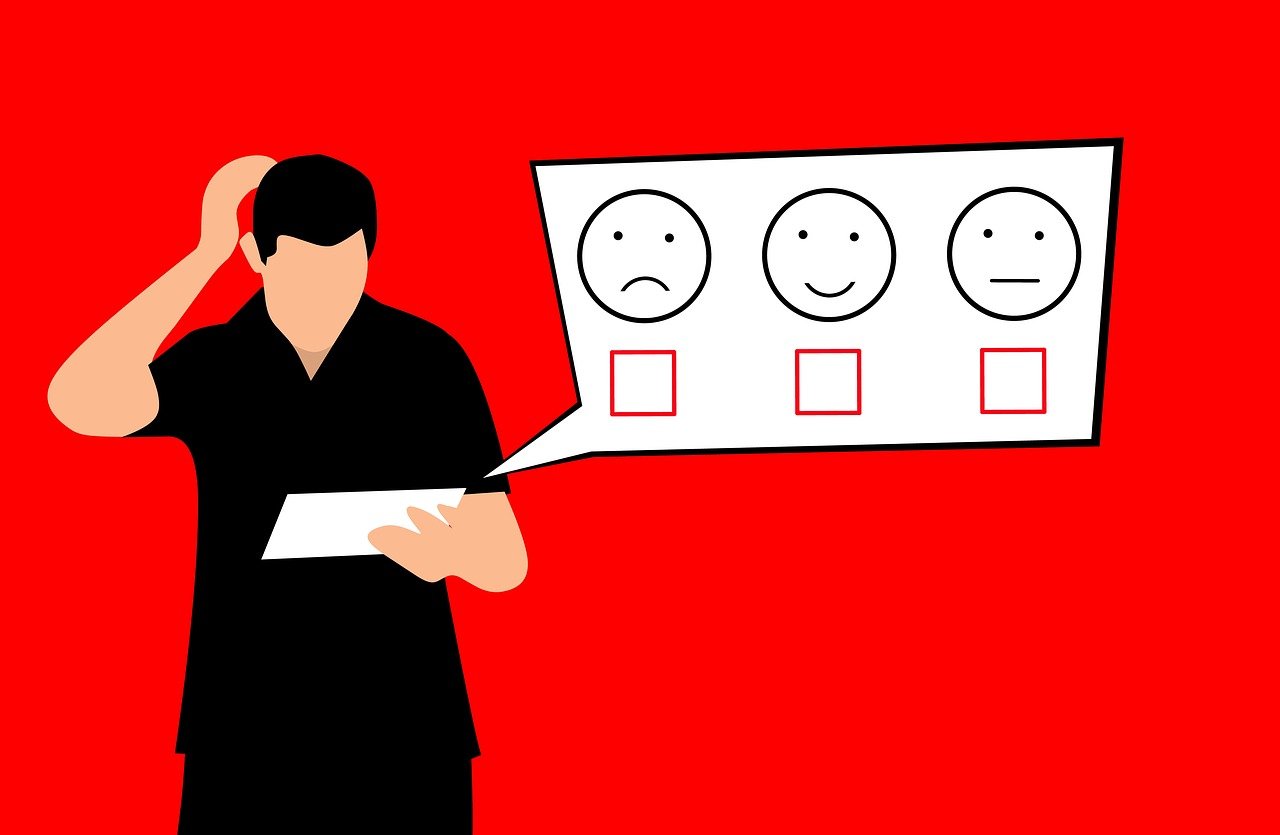

Best Practices for Timing Customer Surveys
When it comes to gathering insights from your customers, timing is everything. Sending surveys at the right moment can significantly improve response rates. To achieve this, consider the customer journey. Timing your surveys right after a specific interaction can yield valuable feedback. For instance, if a customer has just made a purchase, they are likely to have fresh impressions about your service. You can also segment your surveys based on customer interactions, such as after support calls, or during product releases. Another effective strategy is to follow up in a timely manner after receiving feedback. Show your customers that their inputs matter by acting on their suggestions. Timing your surveys means more than just when you send them; it’s also about how you distribute them. Utilize various platforms for your distribution strategy, ensuring that your survey reaches customers where they are most engaged. Using reminders or follow-ups can also help encourage responses. Aim for surveys that are concise and direct, ensuring that you respect your customers’ time while still gathering the needed data.
If you want to maximize your survey effectiveness, defining specific goals for each survey is essential. Consider the information you seek regarding customer satisfaction, product preferences, or overall experience. Explicitly stating the purpose for each survey can guide your question structure and ensure that the responses gathered will inform meaningful decisions. As part of this planning stage, identify target demographics and ideal participant profiles, which may lead you to better survey distribution choices. A targeted approach can lead to deeper insights and enhance the quality of the feedback you receive. One effective method is utilizing customer personas to tailor your survey questions. Personalization can make you stand out to customers, increasing the likelihood of engagement. Remember to keep questions short and straightforward; elaborate questions may confuse customers and reduce response rates. Test your surveys with internal stakeholders before distributing them widely to help eliminate unclear phrasing or technical jargon. Using A/B testing can also clarify the best approach in terms of wording and tone to yield impactful results. By assessing the responses, you can adapt and evolve your survey strategy over time.
Optimizing the Timing of Surveys
Understanding your customer’s rhythm is crucial for optimizing survey timing. The timing of your surveys can dramatically influence the quantity and quality of responses. Consider the frequency of customer interactions; timing your surveys would ideally match up with natural touchpoints. Sending a survey shortly after a customer service interaction can lead to capturing immediate feedback related to their experience. On the other hand, surveys sent out at peak purchasing periods may be overlooked due to time constraints. It’s important to monitor and analyze when customers are most engaged and likely to respond. Using data analytics can help you identify these peak times effectively. Pay attention to seasonality in your products; if certain times of the year demand more focus, tailor your survey distribution around these peaks. You might also take advantage of existing marketing channels that include surveys in customer communication, such as newsletters or follow-up emails. Including survey links in post-purchase emails can also lead to higher response rates by ensuring the timing is favorable. Test different times and frequencies for sending surveys to discover optimal patterns specific to your audience.
Employing a methodical approach to scheduling surveys can significantly boost engagement. One best practice is to utilize an integrated approach, which combines traditional methods of surveying with digital surveys, ensuring that you reach a wide audience. By keeping track of who has responded and when, you can avoid engaging the same customers repeatedly, which can lead to survey fatigue. Survey length also matters; shorter, concise surveys are favorable to customers who prefer a quick feedback process. Investigating how your competitors approach survey timing can provide insights on strategies that work effectively within your industry. Engagement through social media channels can also act as a dynamic way to integrate surveys into your customer interactions. It opens up a conversational facet, allowing for spontaneous feedback collections. Likewise, consider special promotions where a survey completion rewards customers, combining incentives with good timing, encouraging a higher response rate as customers feel valued. Timing surveys around important customer celebrations, like anniversaries or loyalty milestones, can yield exceptional participation and insights. Diversifying your approach will help encourage varied customer segments to share their thoughts.
Utilizing Automation for Better Timing
Automation technology can be a powerful tool for improving the timing of your customer surveys. Using marketing automation platforms allows you to schedule surveys at the most opportune times based on customer behaviors. Automating follow-ups can ensure that customers who initially missed the chance to take your survey are given a second chance, thereby enhancing your data collection efforts. Moreover, a well-structured automated email sequence can help in nudging customers towards participating in a survey after receiving your service. You could customize emails to remind customers about the survey subtly, ensuring that they feel appreciated and valued. Additionally, timing automation can help you track responses better, allowing for timely adjustments to your approach if you notice low participation rates. Implementing reminders and thank-you notes automatically shows your customers that their time is valued. This can encourage additional surveys in the future. Consistently analyzing the data collected through your automation tool can allow for improvements in your strategies. Such tools provide insightful analytics related to engagement, enabling a refined approach for future survey distributions.
The timing also extends to the platforms you choose to utilize for your surveys. The convenience factor matters significantly; deploying surveys on platforms where your customers frequently interact is key. Social media channels like Facebook, Instagram, or even LinkedIn can act as excellent venues for distributing surveys, ensuring they are positioned where customers are engaged. Consider the usage statistics of different platforms to determine when your audience is most likely to be active. Furthermore, mobile optimization is crucial as many customers may not use a computer. Surveys that are mobile-friendly ensure that customers can easily respond to your requests more fluidly. Testing multiple channels across platforms can help you identify which deliver the highest engagement rates, enabling you to refine your future strategies. Not every customer uses the same platform to communicate, and being adaptable can enhance participation. For example, including QR codes on receipts or promotional material can direct customers to your surveys. This adaptive approach solidifies the connection between your business and customer feedback, leading to more constructive interactions.
Analyzing and Adjusting Survey Strategies
It’s important to continuously analyze and assess the effectiveness of your survey timings and strategies. Using analytics to track response rates can reveal trends over time, allowing you to learn what works best for your audience. If certain timing strategies yield lower engagement, delve deeper into understanding customer behavior to better inform your approach. Customer feedback rates can fluctuate based on various external factors; for instance, economic situations or times of crisis might lead to decreased responses. Respond to these shifts by promptly adjusting your survey schedule to align with consumer trends. Engaging with your customers in discussions can shed light on why they may not have responded, helping you refine questions and improve timing. Detailed analysis will lead to closing the loop, transforming insights into actionable changes, whether in service delivery or product innovations. Communicating results back to customers shows them that their feedback is contributing towards improvements, creating a culture of collaboration. An ongoing reassessment ensures that you remain adaptable, leading to more effective and timely surveys while enhancing overall customer satisfaction.
In conclusion, adopting best practices for timing customer surveys can drastically improve your outcomes. By aligning timing with customer interactions and habits, you ensure more relevant feedback is collected. A focus on utilizing thoughtful distribution methods, as well as the appropriate technology to facilitate surveys, is essential for maximizing engagement. Remember that personalization and the importance of concise, direct questions cannot be overstressed. Timely reminders and utilizing multiple platforms can also be instrumental in reaching your audience effectively. Analysis is a continuous journey; staying adaptable and learning from each survey cycle can significantly enhance future efforts. When customers feel genuinely valued during these interactions, they are more likely to engage consistently. Strive to cultivate an environment where feedback is encouraged and acted upon. All these strategies combined contribute to building a more responsive and customer-centric approach to your marketing and sales efforts, leading to sustained growth and loyalty. Commit to timing your surveys with precision to pave the way for improved customer relationships and service excellence. By integrating these best practices into your overall customer experience strategy, your survey endeavors can translate into meaningful, actionable insights.