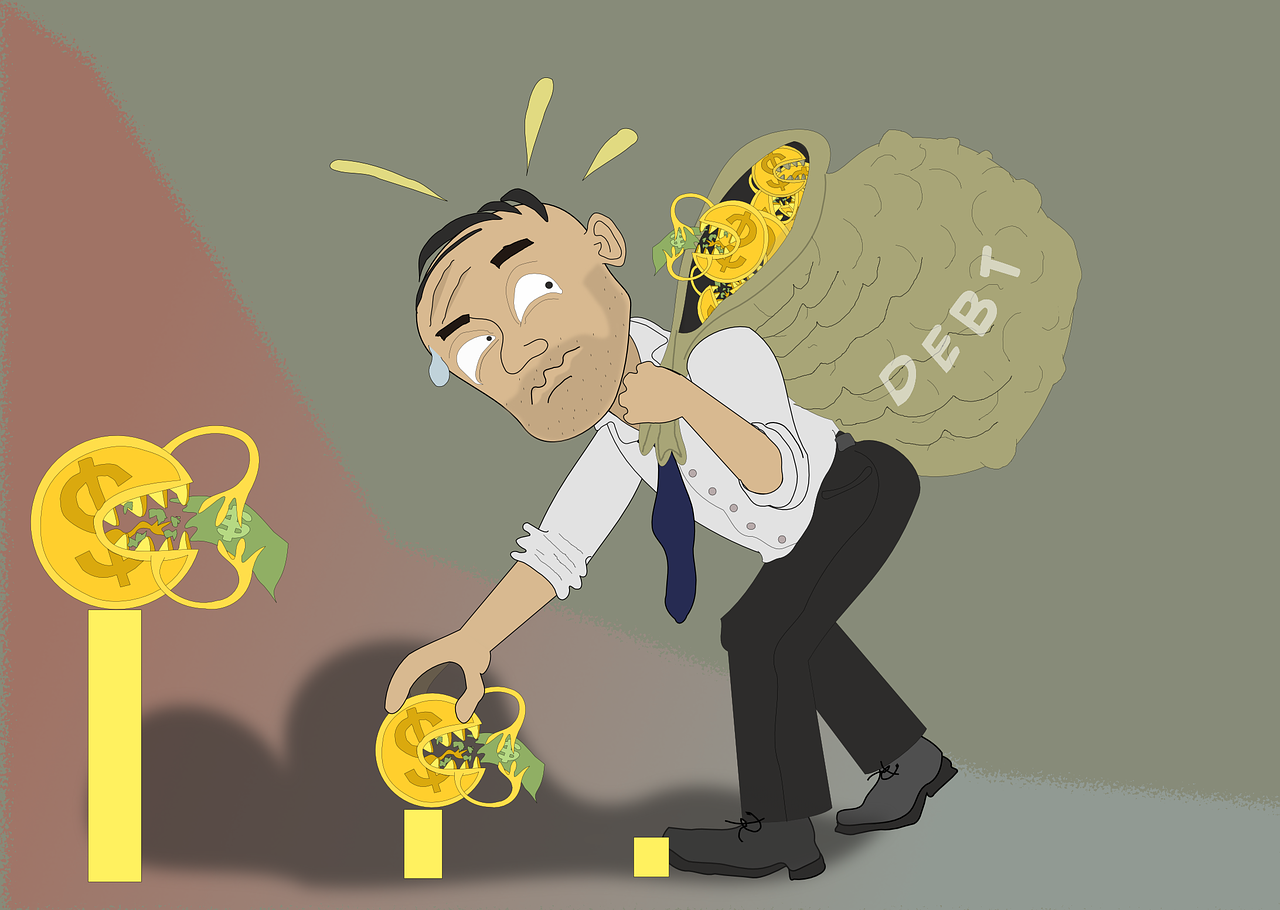

How Personality Traits Affect Debt Accumulation
The relationship between personality traits and debt accumulation is significant in understanding financial behavior. Certain traits can influence how individuals approach borrowing and repayment. For instance, individuals with high levels of conscientiousness tend to be more responsible with their finances. They create budgets, stick to plans, and are generally more disciplined regarding debt. On the contrary, those low in conscientiousness might struggle with impulsive spending and failing to prioritize debt repayment. Furthermore, neuroticism can also affect financial decisions. Individuals who exhibit higher levels of anxiety may avoid seeking loans due to fear of financial instability. This avoidance can hinder their financial growth, limiting opportunities. Stress can lead to poor choices, which may exacerbate existing debt problems. However, extroverted individuals might be more inclined to spend on social outings, which can lead to increased debt levels. Understanding these personality influences is crucial when developing effective debt management strategies tailored to individual behavioral patterns. Overall, recognizing the interplay of personality traits in financial matters can help design personalized interventions for better control over debt.
The impact of financial literacy on debt accumulation intertwined with personality traits also requires attention. Financially literate individuals often possess the knowledge necessary to make informed decisions about credit usage and debt management, improving their financial situation. People who are high on the openness scale might seek out financial education, embracing learning opportunities that enhance their understanding of debt. They are likely to explore diverse financial strategies, learning how to manage debt effectively. In contrast, those with low openness may stick to traditional practices and reject modern finance education, resulting in poor debt management. Furthermore, individuals with low self-esteem may be drawn to debt as a way to choose immediate gratification over long-term financial stability. They may prioritize short-term pleasures without considering the long-term implications of debt. This can create a cycle of financial struggle that negatively impacts their mental well-being. Addressing these psychological aspects could be instrumental for financial advisors in helping clients mitigate debt and cultivate healthier spending habits. Recognizing the psychological underpinnings of debt accumulation allows for a holistic approach to financial health.
Impulsiveness and Debt Decisions
Impulsiveness is a critical personality trait affecting debt decisions and financial health. Those with high impulsivity often engage in spontaneous buying behaviors without consideration of their financial consequences. This characteristic can lead to accumulating significant debts as they disregard the importance of budgeting and prioritizing payments. Individuals may turn to credit availability as a means to satisfy immediate desires, lacking foresight that this can complicate their financial landscape. Furthermore, impulsive decision-making can hinder personal growth, limiting individuals from building savings or planning for the future. Those with stronger impulse control can often resist short-term temptations, which is vital when faced with offers for loans or credit cards. Developing self-discipline in financial habits often requires a combination of personal accountability and education about managing money. Strategies like implementing a waiting period before making purchases can enable individuals to make more calculated, thoughtful decisions. Recognizing high impulsiveness as a significant risk factor for debt accumulation enables the formulation of tailored strategies to help improve financial management skills. Improving impulsive tendencies could contribute to a healthier financial lifestyle, fostering a more stable approach to debt.
The role of emotional regulation is another essential aspect connecting personality traits with debt. Individuals who can manage their emotions effectively are less likely to make rash financial decisions driven by stress or anxiety. Emotional turmoil often leads to impulsive purchases as a coping mechanism. For example, individuals experiencing low mood may turn to shopping as a temporary relief, resulting in unwanted debt loads. On the other hand, those who have developed strong emotional coping skills can weather financial uncertainties without resorting to credit. This emotional resilience may allow for clearer thinking when faced with financial choices. Moreover, individuals harboring negative beliefs about money might struggle with debt differently than those who view money as a tool for investment and growth. They might engage in self-sabotage, leading to repetitive cycles of debt. Addressing emotional regulation through counseling and financial literacy workshops can provide tools for better management of debt-related anxiety. By fostering emotional intelligence related to financial matters, individuals can enhance their decision-making processes regarding debt accumulation and repayment, ultimately creating a healthier financial landscape.
Social Influence and Debt Behavior
Social influences can significantly shape individual debt behaviors, directly correlating with personality traits. Peer pressure plays an integral role in spending habits, especially among young adults who may feel the need to keep up with friends or societal trends. Those with lower self-esteem might be particularly susceptible to peer influence, leading to impulsive borrowing to fit in or maintain an image. This could manifest in taking on debt for lifestyle choices unrelated to genuine needs. Conversely, individuals with high self-regulation and financial intelligence can resist such pressures, focusing on their long-term goals instead. Additionally, familial attitudes towards debt can shape personal perceptions significantly. Growing up in an environment where debt is considered an acceptable tool for lifestyle enhancement may instill a similar perspective. Consequently, adult behaviors echo these familial beliefs, perpetuating cycles of debt across generations. Programs aimed at shifting these ingrained beliefs can encourage healthier financial practices. Education on distinguishing between needs and wants can further assist in redefining how individuals approach debt. Understanding social influences will be beneficial in addressing unhealthy debt accumulation patterns and promoting more responsible financial behaviors.
Another critical factor is the connection between a person’s risk tolerance and their approach to debt. Individuals with high risk tolerance tend to borrow more freely while being less cautious about repayment. They are inclined to take financial risks that may lead to greater debt accumulation over time. On the flip side, those with low risk tolerance often avoid debt altogether, prioritizing savings and stability. This aversion can sometimes limit their financial opportunities, such as investment in education or property purchase, creating barriers for personal growth. Balancing risk tolerance with prudent financial management can be paramount for long-term financial success. Individuals with moderate risk tolerance may find success in using debt strategically, such as leveraging loans for investment purposes. Proper financial planning can help navigate the complexities of debt while catering to varying risk appetites. Tools like credit counseling could provide individuals with tailored strategies that suit their unique personalities. By assessing risk tolerance, financial advisors can create more personalized plans that match clients’ psychological traits, ultimately improving their relationship with debt and financial stability.
Conclusion
Understanding how personality traits influence debt accumulation can lead to more effective debt management strategies. Each trait plays a dynamic role in shaping how individuals perceive, handle, and ultimately accumulate debt. By identifying these patterns, financial professionals can tailor their approaches to meet clients’ unique psychological profiles. Educational initiatives aimed at improving financial literacy are critical in fostering a sense of responsibility and informed decision-making, especially for those with high impulsivity or low self-regulation. Additionally, promoting emotional intelligence in financial decision-making can reduce impulsive actions driven by stress or anxiety. Encouraging open conversations about social influences and familial attitudes regarding debt can redefine perceptions and attitudes toward borrowing. Finally, evaluating risk tolerance enables a more nuanced understanding of how individuals interact with debt and manage their financial futures. As we delve deeper into the psychology of debt, a comprehensive approach to financial wellness must incorporate these factors. By addressing the interplay of personal traits and financial behavior, we can foster a culture of responsible debt management that supports individuals in achieving their long-term financial goals.
Overall, the insights gathered from the exploration of personality traits provide valuable foundations for enhancing debt management strategies. By emphasizing psychological awareness, financial advisors can help individuals build healthier relationships with their finances. Addressing impulsive behaviors, financial literacy gaps, and emotional regulation strategies allows individuals to navigate their debt sustainably. Stakeholders in financial education also have a crucial responsibility to tailor programs keeping these psychological aspects in mind, empowering people to make informed decisions about their financial futures. The significance of aligning financial advice with individual personality traits can have profound implications in shaping personal finance landscapes positively. It’s essential to create a supportive environment that emphasizes responsible borrowing, while also recognizing the factors that lead to unhealthy debt accumulation. As more research continues to emerge on this subject, future initiatives will have a better opportunity to positively influence behaviors and attitudes towards debt. Engaging with clients on a personal level will ensure they feel understood, accepted, and motivated to improve their financial standing. Ultimately, fostering a culture rooted in financial responsibility and awareness will yield benefits for individuals, communities, and society as a whole.