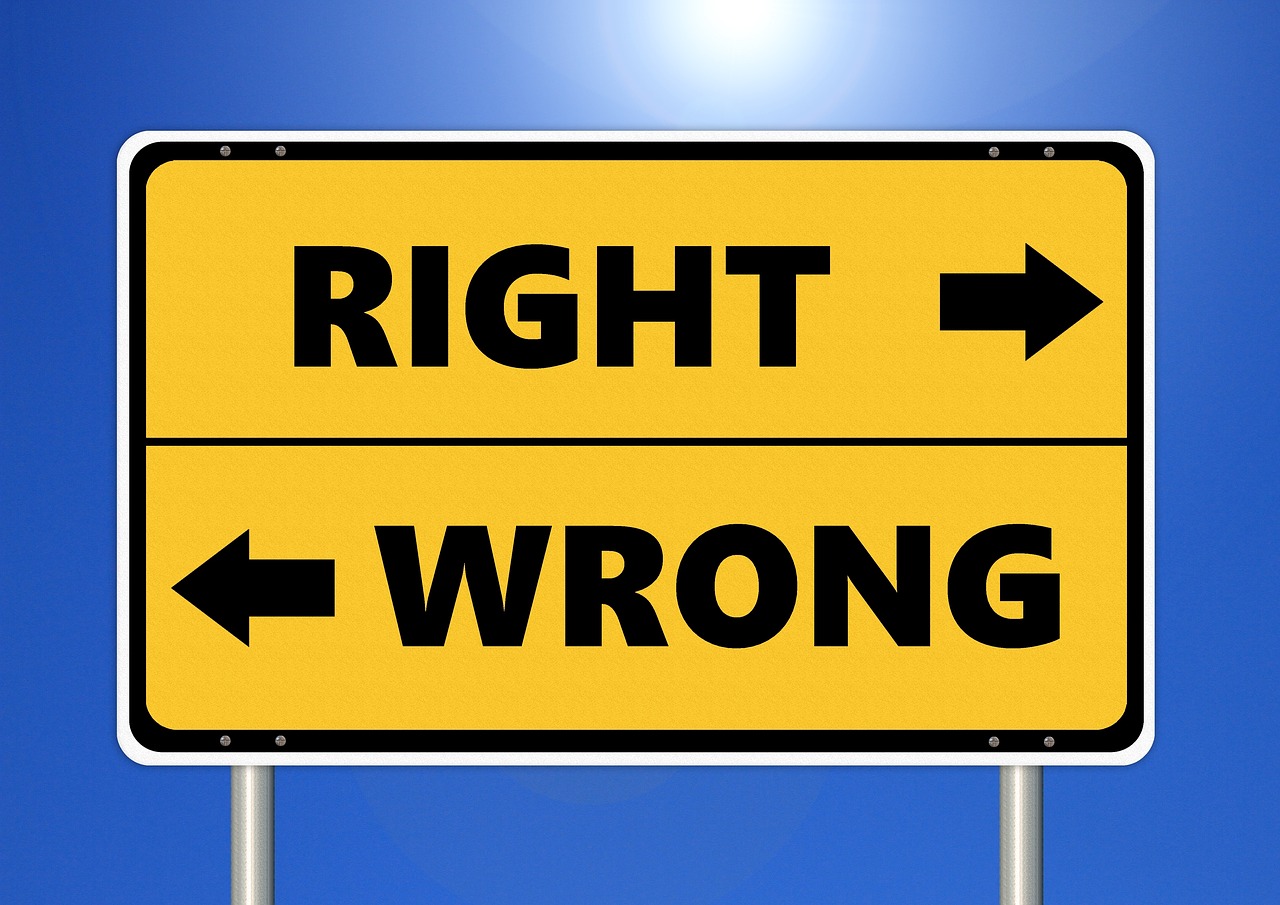

Ethical Decision Making in Finance and Business Projects
Ethical decision making in finance and business projects is an essential aspect that both professionals and organizations must prioritize. It encompasses the analysis of ethical dilemmas that arise in the course of project management. Ethical considerations drive project managers to align their decisions with core values such as transparency, integrity, and accountability. By fostering ethical values, companies create an environment that encourages responsible behavior and minimizes the risk of unethical practices. Stakeholders expect organizations to uphold ethical standards and to act in a way that respects the interests of all parties involved. This commitment aids in building trust, a crucial element for long-term success. Moreover, a strong ethical framework can enhance an organization’s reputation in the eyes of clients and partners, ultimately leading to a more favorable competitive position. To ensure that ethical considerations are integrated into projects, teams must engage in ongoing training and discussions focusing on ethics in decision making. Collaboratively analyzing different scenarios allows project members to better understand the implications of their choices in finance and business projects, ensuring that each decision aligns with ethical guidelines.
In addition to organizational reputation, ethical decision making significantly influences project outcomes. Stakeholders, including project sponsors, clients, and team members, are more likely to support initiatives that demonstrate ethical considerations. When project managers prioritize ethical standards, they can effectively identify and mitigate potential risks associated with ethical dilemmas. Furthermore, establishing clear communication channels helps facilitate discussions on difficult topics, ensuring that all viewpoints are considered. Engaging relevant stakeholders in ethical decision-making processes promotes a culture of inclusivity and fosters a shared responsibility for upholding ethical practices. It is important to recognize the role of leadership in shaping the ethical landscape of projects, as leaders set the tone for team behavior. Managers should model ethical behavior, demonstrating how to handle ethical dilemmas and encouraging team members to voice concerns. Additionally, fostering an environment where questioning and discussion are welcomed can help surface ethical concerns early, allowing for proactive management. Ultimately, a commitment to ethical decision making creates a pathway for successful project delivery while minimizing adverse consequences that stem from unethical practices, thus paving the way for sustained project success.
The Role of Values in Project Management
Values play a crucial role in guiding ethical decision making within project management. They serve as the foundation for behavior and choices made throughout project execution. A clear understanding of organizational values provides project managers with the context needed to navigate ethical dilemmas effectively. When values are clearly defined and communicated, project teams have the tools to align their decisions with organizational principles. Strong values encourage transparency and honesty, enabling a culture that prioritizes ethical considerations. By integrating values into project planning, teams can proactively address potential ethical issues before they arise. Furthermore, organizations may also establish formal codes of ethics to provide a framework for decision making. These codes define expected behaviors and outline procedures for reporting unethical practices. Project managers should ensure that their team is familiar with these codes and understands the significance of adhering to ethical guidelines. Consistently applying values in decision making fosters trust among stakeholders, creating a collaborative environment where ethical considerations are taken seriously. Ultimately, grounding decisions in shared values facilitates smoother project execution and enhances overall project effectiveness.
Another key aspect of ethical decision making is the recognition of cultural differences that may influence stakeholder perspectives. Business projects often involve teams and stakeholders from diverse cultural backgrounds. As such, understanding varying ethical values and norms is essential for effective collaboration. Project managers must navigate these differences to develop a shared understanding of what constitutes ethical behavior within the project team. Engagement in cross-cultural training can aid project managers in equipping themselves with the knowledge necessary to appreciate diverse viewpoints. By facilitating discussions on cultural ethics, teams can identify common ground where values overlap, fostering mutual respect and collaboration. It is crucial to approach ethical discussions with sensitivity to different cultural norms and expectations, demonstrating an awareness of individual perspectives. Clear communication and continuous dialogue are paramount for ensuring that cultural differences do not lead to misunderstandings or conflicts. By embracing cultural diversity, organizations strengthen their ethical decision-making framework and create a more inclusive project environment. The combination of diverse perspectives enriches the decision-making process, enhancing creativity and innovation within project execution.
Ethical Decision-Making Frameworks
Implementing an ethical decision-making framework can significantly guide project managers in making informed choices during projects. These frameworks provide structured methodologies for analyzing ethical dilemmas and weighing potential outcomes. A widely recognized approach is the utilitarian framework, which emphasizes choosing actions that result in the greatest overall benefit. Alternatively, deontological frameworks focus on adherence to rules or principles regardless of consequences. Both approaches can be valuable in different project scenarios, and project managers may select the most appropriate model based on the context. Incorporating ethical decision-making frameworks into project planning enhances team awareness of ethical issues and fosters accountability. Moreover, such frameworks enable team members to feel more confident in addressing ethical concerns. Regular training sessions centered on ethical decision-making models can reinforce the importance of ethical considerations in project management. By empowering team members with knowledge and resources, organizations can cultivate a culture of ethical awareness. Ultimately, incorporating well-defined decision-making frameworks ensures consistency and ethical rigor across projects, bolstering project integrity and stakeholder trust.
Moreover, organizations should regularly review and update their ethical decision-making frameworks to remain relevant in a rapidly evolving business landscape. The importance of contextual adaptation cannot be overstated, as new ethical challenges can emerge due to technological advancements, regulatory changes, and societal expectations. Project managers should keep abreast of these developments and adapt their frameworks accordingly, ensuring alignment with industry best practices. Encouraging feedback from team members can provide insights on potential improvements to existing frameworks, fostering a sense of ownership among the project team. By actively involving the team in discussions on ethics and decision-making improvements, organizations can strengthen their commitment to inclusivity and accountability. The integration of diverse viewpoints serves to enhance the overall framework while addressing specific needs within the project team. In such an environment, project managers can cultivate a culture where ethical decision making is viewed as an integral aspect of project execution rather than an afterthought. Ultimately, building this strong foundation leads to improved project outcomes and greater satisfaction among stakeholders.
Conclusion: Impact of Ethical Decision Making
In conclusion, the impact of ethical decision making within finance and business projects is significant. By adopting ethical values and implementing structured decision-making frameworks, project managers can enhance stakeholder engagement and foster a culture of accountability. The commitment to ethical considerations not only strengthens relationships with clients and partners but also fortifies a project’s reputation in the market. Organizations that prioritize ethics in project management create a positive working environment, boosting employee morale and job satisfaction. As project teams navigate complexities, strong ethical foundations ensure that these complexities are approached thoughtfully and responsibly. Engaging all stakeholders in the ethical decision-making process empowers individuals to contribute positively, widening the scope for innovative solutions to emerge. Future challenges will undoubtedly require further adaptation of ethical standards, and organizations must remain agile to adjust to new demands. Ultimately, the pursuit of ethical excellence in project management enhances overall project success while minimizing risks associated with unethical behavior. By integrating ethics into daily project activities, professionals can pave the way for a more sustainable and responsible business landscape.
The potential benefits of ethical decision making span across tangible advantages and intangible outcomes. Project managers and organizations that embrace ethical practices often witness lower turnover rates, improved teamwork, and stronger stakeholder relationships. In addition to these benefits, adhering to ethical norms mitigates legal risks and reduces the likelihood of scandal. By operating within ethical boundaries, organizations can also avoid the financial repercussions that often accompany unethical behavior, such as fines or loss of business. The overarching effect of ethical decision making cultivates a corporate culture where ethical behavior is rewarded and recognized. Additionally, organizations may leverage their commitment to ethical practices as a marketing tool, attracting clients who prioritize social responsibility. In this way, ethics can also translate into competitive advantage. To maintain ethical standards, continuous evaluation of practices is essential. Regular workshops, training, and open forums for discussing ethical issues promote awareness and strengthen commitment across teams. Ultimately, organizations that prioritize ethical decision making position themselves favorably within the industry, leading toward sustainable growth and enhanced community trust. The positive ripple effects reach beyond the organization, benefiting stakeholders and society as a whole.