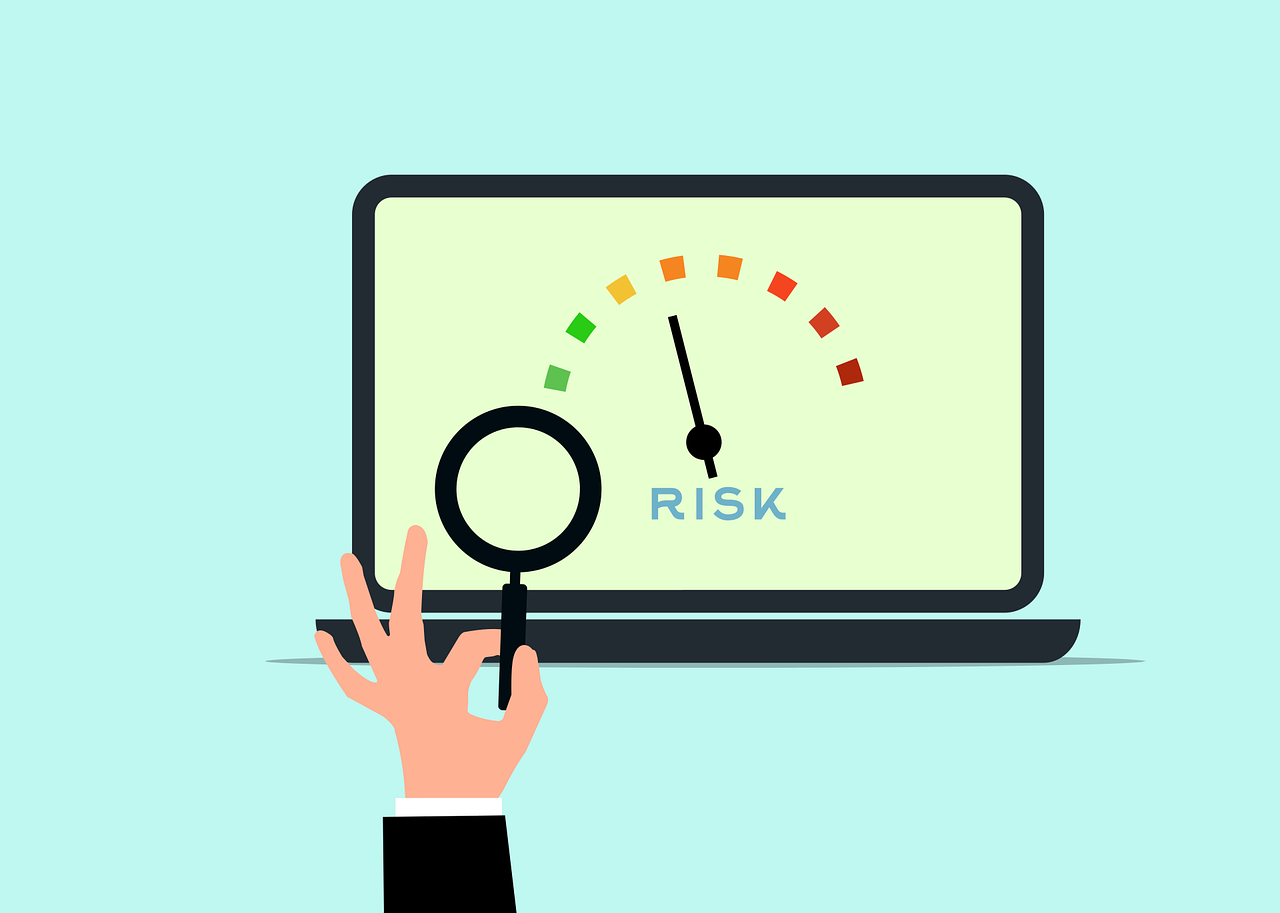

The Benefits of Early Warning Systems in Business Risk Mitigation
In today’s dynamic business landscape, effective risk management is essential to sustain growth and innovation. Early Warning Systems (EWS) play a pivotal role in identifying potential risks before they escalate into catastrophic issues. EWS enables organizations to foresee threats ranging from market fluctuations to supply chain disruptions. Companies can tailor their strategies proactively using insights provided by these systems. This foresight translates into a competitive edge, allowing businesses to maneuver effectively under pressure. Moreover, utilizing EWS fosters a positive corporate culture where proactive risk management is prioritized. Employees become more vigilant and engaged knowing that their organization values risk anticipation. However, implementing an effective EWS requires adequate investment in both technology and training. Organizations must establish clear communication channels and collaborate across departments to ensure data flows seamlessly. In addition, regular updates to the system will enhance its accuracy over time. While EWS is a powerful tool, it should complement comprehensive risk management strategies, not replace them. The investment in EWS pays dividends in resilience and sustainability, ultimately contributing to long-term success. Businesses that prioritize early warning mechanisms likely thrive even amid uncertainty.
Risk management is constantly evolving, and an essential aspect of this evolution is the role of Early Warning Systems in risk mitigation. EWS helps organizations monitor changes in their internal and external environments. By analyzing data from multiple sources, businesses can identify potential disruptions and prepare in advance. This preparation helps prevent financial losses and reputational damage, ensuring smoother operations. EWS can be tailored to various industries, focusing on specific risks unique to each sector. For instance, the healthcare sector can utilize EWS to monitor equipment failures, while retail can track consumer behavior trends. Additionally, these systems can enhance regulatory compliance, as businesses can show due diligence by monitoring risks effectively. In sectors where regulations change rapidly, proactive EWS use can avert costly penalties and enhance stakeholder trust. Ultimately, effective risk mitigation will require a combination of technology, best practices, and a commitment to ongoing training for employees. Moreover, strong leadership is crucial to promoting a culture of risk awareness within organizations. By understanding the systemic implications of risks, businesses can position themselves for success in an increasingly complex environment.
Advantages of Implementing Early Warning Systems
One of the most significant advantages of EWS is its ability to improve decision-making processes. Decision-makers are often overwhelmed by the vast amount of data available, but EWS filters relevant information, enabling them to focus on strategic aspects. This clarity empowers executives to make informed choices that align with business objectives. Furthermore, EWS facilitates quicker responses to emerging threats, thereby preventing escalation. In a fast-paced market, speed can be a decisive factor in maintaining a competitive edge. By employing a proactive approach, organizations minimize risks that can hinder their operational efficiency. Additionally, the collaborative nature of EWS fosters teamwork, as departments work together to share valuable insights and data. This teamwork creates a culture of accountability where everyone understands their role in risk management. Investing in EWS also signals a company’s commitment to innovation and improvement, attracting investors and stakeholders who value sustainability. As organizations prioritize technological adoption, they can leverage EWS in crafting comprehensive risk strategies that integrate seamlessly into their operations. Ultimately, effective EWS implementation creates a resilient infrastructure capable of facing both expected and unexpected challenges.
Financial implications are another crucial aspect when discussing the benefits of Early Warning Systems. By monitoring potential risks early, businesses can make necessary adjustments to prevent significant financial losses in the long run. Effective EWS can lead to cost savings by avoiding operational disruptions and ensuring resources are allocated judiciously. The investment in these systems often pays for itself over time, especially in industries where minor disruptions can lead to profound financial consequences. Additionally, companies that successfully implement EWS tend to experience higher customer satisfaction levels. By being prepared for potential risks, businesses can maintain product availability and service levels. This reliability fosters stronger customer relationships and trust, translating to long-term loyalty. Furthermore, the data aggregated through EWS can be invaluable for forecasting and strategic planning. By analyzing trends, businesses can identify market opportunities, allowing them to capitalize on demand shifts or emerging markets. Flexibility in operations becomes vital, as adapting to these insights leads to a more dynamic business approach. As organizations continue to maneuver through uncertainties, integrating EWS into standard operating procedures becomes increasingly essential for future growth.
Challenges in Adopting Early Warning Systems
Despite the numerous advantages, organizations may face challenges when adopting Early Warning Systems. First, the overall cost of implementing such a system can be a significant hurdle. Financial resources need to be allocated not just for technology, but also for training staff to interpret and utilize the data effectively. Additionally, organizations may encounter resistance from employees who are accustomed to traditional methods of risk management. Overcoming this resistance requires proactive change management strategies, including clear communication about the benefits of EWS. Organizations must also ensure data security and privacy, as sensitive information may be processed through these systems. Vulnerabilities could expose them to breaches that compromise their integrity and operational viability. Moreover, ensuring data accuracy and validity is crucial for EWS effectiveness; if the data feeding the system is flawed, the predictions may lead to misguided decisions. Companies will need a robust data governance framework to manage this aspect effectively. Finally, continuous monitoring and updating of the system are essential to keeping pace with market dynamics and technological advancements. Businesses must prioritize regularly scheduled assessments of their EWS to maintain its overall relevance and effectiveness.
To maximize the effectiveness of Early Warning Systems, organizations must embrace a culture of continuous improvement. This culture encourages feedback loops where employees can share insights and suggestions on enhancing the system’s accuracy and utility. By fostering an open dialogue, businesses can ensure that the EWS evolves alongside the changing landscape of their industry. Further, regular training sessions and workshops can equip staff with the tools necessary to leverage EWS fully. By ensuring that all relevant stakeholders understand the importance and functionality of these systems, organizations enhance their collective ability to manage risks. Collaboration across departments is key; the integration of diverse perspectives will refine the effectiveness of EWS implementation. Equally important is the need for clear leadership to champion the use of EWS, highlighting its strategic significance in overall business objectives. Continual advocacy for risk management fosters a proactive mindset throughout the organization. Additionally, technological advancements should constantly be integrated into EWS to harness cutting-edge methodologies. Staying updated with the latest innovations ensures organizations remain competitive within their respective markets. Embracing these principles leads to effective risk mitigation strategies and prepares businesses for the complexities ahead.
The Future of Early Warning Systems
Looking ahead, the future of Early Warning Systems appears promising as technology continues to advance rapidly. Innovations in artificial intelligence and machine learning will significantly enhance the predictive capabilities of EWS, allowing for more accurate risk assessments. These advancements will help organizations identify emerging threats and act on them more efficiently. Additionally, as data collection techniques improve, the integration of big data analytics into EWS will provide deeper insights into potential risk factors. This collaboration with technology will empower organizations to not only anticipate risks but also simulate various scenarios, enhancing decision-making processes. Furthermore, regulatory environments may increasingly favor proactive risk management strategies, elevating the demand for effective EWS. Companies that adopt these systems early will gain a competitive advantage, showcasing their commitment to innovative practices. Moreover, the rising emphasis on sustainability and corporate social responsibility will redefine risk management priorities. Organizations that address environmental and social risks will thrive, as stakeholders are increasingly focused on responsible business practices. In this evolving landscape, investing in flexible, scalable EWS will be fundamental for organizations aiming for resilience and sustained growth amid uncertainties.
The undeniable benefits of Early Warning Systems in business risk mitigation suggest a transformative shift toward a more proactive paradigm in risk management. Businesses that embrace EWS can expect substantial improvements in their operational efficiency, employee engagement, and market responsiveness. The comprehensive insights derived from these systems empower organizations to make informed decisions that minimize risks while optimizing opportunities. Through collaboration, transparency, and commitment to ongoing improvement, companies can cultivate a culture of risk awareness that enables them to prosper in today’s challenging environment. As organizations prioritize pioneering solutions rooted in technology, they solidify their positions as leaders within their industries, reaping the financial and reputational rewards that accompany such foresight.