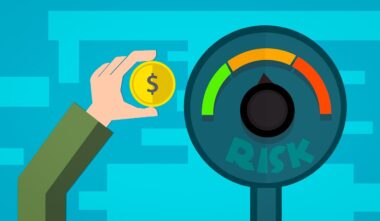

Reducing Financial Losses Through Effective Risk Monitoring
Financial institutions often suffer losses due to various factors, including market fluctuations, operational inefficiencies, and unexpected liabilities. To mitigate these risks effectively, organizations must implement comprehensive risk management strategies. These strategies involve identifying potential risks, evaluating their impact, and developing a robust monitoring framework. A proactive risk monitoring approach helps anticipate financial losses and adjust practices accordingly. Identifying specific risk categories, such as credit, market, and operational risks, allows institutions to tailor monitoring efforts systematically. An effective monitoring system includes quantitative metrics that can track key performance indicators associated with risks. This allows organizations to foresee potential problems and make necessary adjustments quickly, thus minimizing losses. Additionally, involving all levels of management in the risk management process enhances accountability and decision-making. Regular training and workshops should be conducted to ensure staff understands various risks and the organization’s strategies to manage them. Implementing cutting-edge technology tools, such as predictive analytics, can significantly enhance risk identification and control measures. These tools can help analyze historical data to forecast future trends, thus empowering organizations to take proactive rather than reactive measures.
Organizations also need to establish a well-defined risk tolerance level. This acts as a benchmark for evaluating potential risks and their implications on financial performance. Risk tolerance helps steer decision-making processes, ensure compliance with regulations, and maintain stakeholder confidence. It’s essential that all employees, especially those in decision-making roles, understand this tolerance level. Regular reviews of risk assessments and tolerance levels contribute to the continual optimization of risk strategies, thereby enhancing financial stability. Monitoring must also incorporate external factors influencing risk landscapes, including regulatory changes, market conditions, and competitive dynamics. By staying informed and adaptable, organizations can achieve better financial outcomes. Furthermore, risk communication is vital; clearly communicating roles and responsibilities ensures every team member is aware of the risks and their respective impacts. Strong risk culture can enable employees to recognize and report significant risk factors immediately. Involving diverse perspectives from across departments can enrich risk discussions, leading to well-rounded strategies. Effective risk documentation and reporting systems are essential for keeping track of risk management activities over time. Organizations that invest in comprehensive risk management frameworks are better positioned to reduce financial losses effectively.
Implementing a Proactive Risk Management Approach
A proactive risk management approach ensures that organizations are not simply reacting to crises but are actively identifying and mitigating potential risks before they escalate. Establishing an effective risk monitoring system requires the integration of advanced technology solutions, such as data analytics and risk modeling tools. These technologies enable organizations to draw insights from vast datasets, allowing them to recognize patterns and predict future market behaviors. Financial institutions can leverage these insights to adjust their strategies, ultimately reducing potential losses. Regular scenario analysis and stress testing are crucial components of proactive risk management. By simulating adverse conditions, firms can assess their resilience and implement necessary changes to enhance security measures. Additionally, organizations should develop comprehensive contingency plans, enabling them to respond swiftly to unforeseen financial crises. This preparedness enhances confidence among investors and stakeholders while reinforcing the stability of the institution as a whole. Communication channels must be established to ensure that all employees are informed about identified risks and the corresponding response strategies. Continuous improvement should be a fundamental aspect of the risk management process, allowing organizations to evolve in response to changing environments.
Moreover, collaborating with external partners, such as auditors and regulatory bodies, can enhance an organization’s ability to manage risks effectively. These partnerships facilitate the sharing of best practices, promoting a more robust understanding of potential risks within the industry. Access to third-party risk assessments and benchmarks can help organizations identify vulnerabilities they may not have recognized internally. This collaborative approach fosters a culture of shared responsibility regarding risk management, encouraging organizations to take collective action against common threats. Additionally, employee engagement plays a pivotal role in successful risk management; fostering an environment of transparency and open dialogue encourages employees to participate actively in identifying risks and proposing solutions. Organizations can benefit significantly from establishing reward systems for employees who proactively contribute to reducing risks. Moreover, frequent communication about risk-related activities reinforces the significance of risk management across the organization. It highlights that responsibility for risk management lies with everyone, not solely with designated risk management teams. Thus, a unified effort toward effective risk monitoring can lead to reduced financial losses and improved overall performance.
The Role of Technology in Risk Management
Technology plays an indispensable role in modern risk management strategies. Advanced risk management software aids organizations in analyzing large volumes of data quickly and efficiently. By collecting and processing data from various sources, these platforms provide businesses with real-time insights into their risk exposure. This empowers organizations to make well-informed decisions and swiftly adjust strategies to minimize losses. AI-driven analytics can help automate many risk identification processes, allowing teams to focus on critical analysis and strategic planning. Moreover, machine learning algorithms can continuously enhance risk models by learning from past data and outcomes, thereby improving predictive accuracy. Cloud-based solutions also facilitate the sharing of risk information across departments, promoting collaboration and transparency. This enables organizations to maintain consistent risk communication, which is vital for a robust risk culture. Additionally, it simplifies the aggregation of risk data, allowing for streamlined reporting and monitoring. Organizations must invest in these technological tools strategically to maximize their potential benefits. Due diligence in selecting the right technology partners can significantly enhance the effectiveness of risk management efforts and contribute to reduced financial losses.
Lastly, it is crucial for organizations to ensure strict compliance with risk management regulations and standards. Regulatory bodies often outline comprehensive guidelines to oversee financial practices and safeguard stakeholder interests. Aligning organizational strategies with these regulations not only prevents potential fines but also strengthens credibility and trust among customers. Regular compliance audits and assessments can identify discrepancies, facilitating timely corrective actions. Additionally, fostering a culture of compliance ensures that every employee understands their responsibility in adhering to risk management protocols. Effective training programs can instill the importance of compliance throughout the organization, making it a foundational aspect of daily operations. The integration of risk management with overall business strategy can further enhance financial performance. Allocating resources towards risk awareness initiatives promotes a proactive approach to risk, furthering long-term sustainability. Firms that prioritize risk management are more likely to withstand market shifts and economic downturns. Emphasizing the need for continual improvement and adaptation will ultimately cultivate a resilient organizational environment. In doing so, companies can thrive despite challenges while effectively reducing financial losses.
Conclusion: The Path to Enhanced Financial Security
In conclusion, effective risk monitoring plays an integral role in reducing financial losses within organizations. By implementing comprehensive risk management practices, businesses can proactively identify, assess, and mitigate potential threats. The application of technology, adherence to regulatory standards, and fostering a risk-aware culture can significantly enhance an organization’s resilience. Investing in employee training and communication will empower teams to take ownership of risk management processes. Additionally, collaborative efforts, combining internal and external perspectives on risk, can lead to more effective strategies and solutions. As organizations continuously evolve, refining risk management frameworks will help ensure financial sustainability and stability in turbulent times. Organizations committed to thorough risk monitoring will likely see improved long-term performance and profitability. By establishing a robust risk management infrastructure, businesses enhance stakeholder confidence and attract potential investors. The necessity of a proactive approach cannot be overstated, as it lays the groundwork for establishing a solid financial foundation. As market complexities increase, effective risk monitoring emerges as a crucial determinant of financial success, allowing organizations to navigate uncertainties with greater ease.
The future of risk management lies in leveraging comprehensive strategies, technology, and collaboration. Organizations that prioritize these elements will find themselves better equipped to manage risks effectively and minimize financial losses. Embracing change and fostering a culture of innovation will lead to more agile risk management processes. As businesses face an increasingly dynamic environment, the importance of effective risk monitoring only grows. Achieving this requires commitment from all levels of the organization, ensuring that everyone is aligned toward common goals of reducing risk exposure. Through continuous learning and adaptation, firms can enhance their resilience against unforeseen challenges. The journey towards effective risk management takes time and effort, but the rewards are substantial. Organizations can secure their financial health by enhancing their ability to monitor and manage risks proactively. Ultimately, this translates into a more secure and sustainable business model, offering a competitive edge in the marketplace. By recognizing the significance of effective risk monitoring, businesses can safeguard their financial future, paving the way for lasting success in a challenging economic landscape.