
Algorithmic Trading and Risk Controls in Stock Markets
Algorithmic trading represents a significant advancement in modern finance, fundamentally transforming how stocks are traded. It employs computer algorithms to execute trades based on predetermined criteria, optimizing speed and efficiency. Traders can utilize this technology to minimize human errors and enhance decision-making processes. By analyzing vast datasets, algorithms can identify patterns that human traders might miss, leading to better outcomes in volatile markets. However, as the technology grows more sophisticated, so do the risks involved. The inherent volatility of the stock market can turn algorithms against their users if not adequately managed. This necessitates the incorporation of robust risk management strategies to safeguard capital and investments. Effective risk controls are essential to mitigate potential losses while maximizing gains. Organizations must continuously assess the performance of their algorithms and make adjustments as needed. The intersection of algorithmic trading and risk management is where success lies for professional traders. Overall, it demands a comprehensive understanding of both trading strategies and risk mechanisms, ensuring a balance between growth and protection of assets.
Risk management in algorithmic trading involves a systematic and proactive approach to safeguard investments. One key element of this process is setting clear risk thresholds before executing trades. This can include stop-loss orders and position sizing, which dictate how much capital can be risked on a single trade. Additionally, traders must regularly evaluate their algorithms’ performance against market fluctuations and adjust parameters accordingly. Incorporating real-time monitoring tools can help identify when adjustments become necessary before substantial losses occur. Utilizing backtesting is another vital strategy, allowing traders to simulate different outcomes based on historical data. This lets them refine their trading algorithms and risk parameters under various market conditions. Moreover, trading firms should establish a clear risk management framework that includes policies for handling market disruptions or unexpected events. This framework should also mandate ongoing training for traders to ensure they stay informed about the latest developments in both technology and market analysis. By adopting these principles, traders can create a robust risk management culture, leading to sustainable profitability throughout various market phases.
Understanding Market Volatility
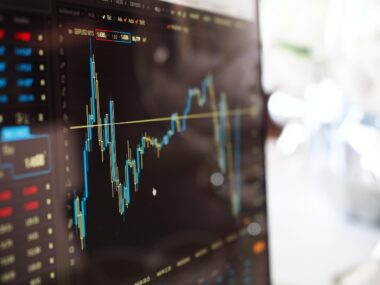
Market volatility directly impacts algorithmic trading strategies and highlights the importance of dynamic risk management. In financial markets, volatility refers to the degree of variation in trading prices over time, serving as a gauge for risk. Typically, higher volatility means increased uncertainty, which can result in both opportunities and challenges for algorithmic traders. Algorithms must be programmed to recognize patterns associated with volatility spikes to react quickly and adjust trading strategies accordingly. Understanding volatility indicators enables traders to enhance their algorithms further and optimize risk management protocols. The VIX index, often termed the “fear gauge,” provides insightful signals regarding future market volatility levels. Knowledge of such indicators allows traders to pivot their strategies swiftly, potentially avoiding major losses during turbulent periods. Algorithms equipped with adaptive risk management mechanisms can significantly outperform static approaches. Therefore, leveraging market volatility through algorithmic adjustments becomes crucial in driving profitability. Ultimately, the goal remains the same: improving the balance between risk and reward, paving the way for a more efficient trading system.
When developing algorithmic trading strategies, diversification emerges as a fundamental risk management tool. Diversifying a portfolio across various asset classes, sectors, or geographical regions helps mitigate risks associated with dependency on a single stock or market. In doing so, it significantly reduces the likelihood of substantial losses, as adverse movements in one area may be offset by gains in another. Algorithms can assist in the ongoing process of portfolio diversification by continuously analyzing performance metrics and making necessary adjustments. Additionally, this approach fosters flexibility, allowing traders to capitalize on emerging market trends or opportunities as they arise. Strategies like mean-variance optimization can further guide algorithm-driven portfolio choices, balancing expected returns versus risk levels effectively. Furthermore, traders should adapt strategies based on changing market conditions through regular assessments and rebalancing efforts. Algorithms equipped to perform these tasks can optimize decision-making and improve the overall health of a trading portfolio. As a result, embracing diversification becomes crucial for algorithmic traders aiming to enhance their risk management outcomes.
Role of Technology in Risk Management
Technology plays a vital role in enhancing risk management for algorithmic trading. Advanced analytics, machine learning, and artificial intelligence provide powerful tools for assessing risks in real-time and adjusting strategies accordingly. Many firms leverage robust data analytics to identify anomalies and potential failure points within their trading algorithms, allowing for timely interventions before issues escalate. Moreover, integrating risk management technologies empowers traders to simulate and model multiple scenarios, generating insights into potential impacts on their portfolios. This proactive approach fosters a deep understanding of underlying risks and the development of more effective risk mitigation measures. Cloud computing solutions also promote scalability and flexibility, which are essential for algorithmic trading. By utilizing distributed systems, firms can access vast amounts of data and computational power, enhancing their risk analysis capabilities. Additionally, automation minimizes human errors, improving accuracy in executing trades and risk assessments. In this evolving landscape, technology not only facilitates innovation but also strengthens the resilience of trading strategies in an unpredictable market environment.
Continuous improvement in algorithmic trading requires a solid framework for reviewing and optimizing strategies. Backtesting should be incorporated as a vital process, allowing traders to analyze the performance of their algorithms on historical data before deploying them in live markets. This analysis can highlight potential weaknesses and areas for improvement. Furthermore, performance metrics such as Sharpe ratio, maximum drawdown, and volatility are invaluable tools for assessing a strategy’s risk-adjusted return. Real-time monitoring also plays a pivotal role in recognizing performance deviations that may signal potential risks. Traders must analyze these metrics periodically and adapt their strategies accordingly. A thorough review process contributes to refining algorithms, identifying trends in market behavior, and incorporating insights that enhance decision-making. Additionally, organizations should promote a culture of continuous learning to ensure traders remain abreast of industry developments, regulatory changes, and best practices. By fostering an environment of education and growth, firms will empower their traders to stay ahead in an ever-evolving landscape, achieving sustainable success and effectively managing risks associated with algorithmic trading.
Conclusion on Risk Management
In conclusion, effective risk management in algorithmic trading is a multifaceted endeavor that requires an in-depth understanding of market dynamics and the integration of advanced technologies. Traders must be proactive in identifying risks and implementing appropriate strategies and tools, constantly evaluating their algorithms against ever-changing market conditions. Embracing a culture of continuous improvement is crucial for long-term success, promoting the refinement of strategies and embracing innovations. Through diversification, adaptive risk techniques, and the use of robust analytics, algorithmic traders can mitigate risks and optimize performance. Understanding the role of market volatility further enhances decision-making, equipping traders with the insights needed to react promptly to evolving circumstances. Ultimately, the synergy between algorithmic trading and risk management will define the future landscape of stock markets. By mastering these elements and leveraging them strategically, traders will position themselves for sustained growth and protection of their investments. Therefore, the marriage of algorithmic technology and risk consciousness will remain paramount in navigating the complex world of financial markets.
Furthermore, establishing regular team assessments and sharing insights will foster collaboration within trading firms. This collective approach encourages a holistic view of risk management strategies, enhancing decision-making processes. Risk committees should convene regularly to discuss market trends and the performance of different strategies. This continual dialogue allows firms to remain agile and responsive to changes within dynamic markets. Leaders in trading organizations should prioritize educating their teams on risk management principles, regulatory standards, and evolving technologies. Involving every member enhances accountability and encourages proactive identification of potential risks. As the marketplace evolves, integrating diverse perspectives into risk management practices will lead to more robust solutions. Ultimately, traders and firms that embrace the intersection of algorithmic trading with diligent risk management will effectively navigate the complexities of stock markets. By prioritizing these elements, they will achieve sustainable, risk-adjusted returns, driving long-term growth and maintaining competitive advantages. The focus for all algorithm traders should be on creating resilient systems that can adapt to surges and downturns alike while capitalizing on opportunities that align with their risk appetite.