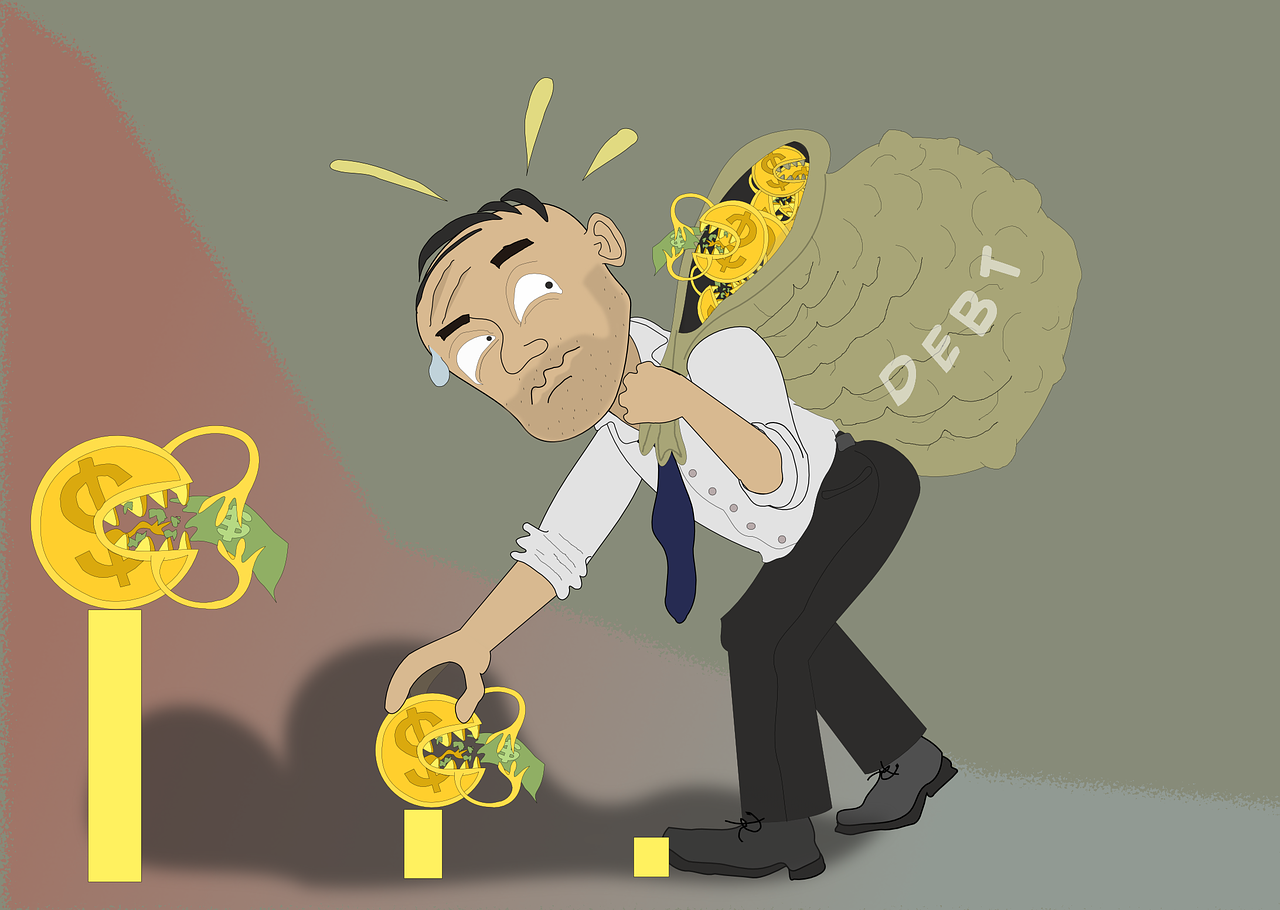

How to Use Credit Responsibly and Avoid Debt Traps
Understanding credit is crucial for making informed financial decisions. As individuals navigate their financial journeys, they may encounter varying degrees of credit options. Mismanagement of credit can lead individuals into debt traps, making it essential to learn how to use credit wisely. Being responsible with credit can facilitate easy access to goods and services while also building a positive credit history. In this regard, awareness of the pitfalls associated with credit use is fundamental in today’s financial landscape. One of the primary aspects of responsible credit usage is knowing what type of credit is appropriate for specific needs. Additionally, recognizing the differences between revolving and installment credit can empower consumers. Revolving credit, such as credit cards, allows for continuous borrowing up to a fixed limit. In contrast, installment credit involves a fixed loan amount repaid over time. Being informed regarding these variations assists users in determining the credit type that best aligns with their financial objectives and capabilities. Moreover, maintaining proper records during credit periods is critical for ensuring that individuals remain vigilant regarding their spending habits.
Essential Strategies for Avoiding Debt Traps
Employing strategies to mitigate potential debt traps is beneficial to credit users. Creating a comprehensive budget helps individuals track income and expenditures effectively. This approach fosters financial awareness and assists consumers in prioritizing indispensable expenses. In addition, having an emergency fund proves invaluable in addressing unexpected financial challenges without relying on credit purchases. This fund acts as a financial buffer, offering peace of mind amid unanticipated expenses. Furthermore, it is vital to examine credit card statements regularly. Conducting regular check-ins permits individuals to identify unauthorized charges or spending patterns. By doing this diligently, consumers maintain control over their financial landscape, discouraging overspending habits linked to impulsive purchases. Another essential strategy involves leveraging credit judiciously by avoiding excessive borrowing. Limiting the use of available credit ensures that consumers maintain their capacity to repay. They need to prioritize their essential expenses over luxury purchases to minimize the risk of falling into debt traps. Seeking guidance from financial advisors can provide tailored suggestions and strategies. Financial professionals are equipped with extensive knowledge regarding debt management practices and can help clients establish effective budgeting habits.
Furthermore, understanding interest rates and their potential impact on repayments is essential in fostering responsible credit behavior. High-interest debts can quickly snowball, leading individuals into cycles of debt that are difficult to escape. Therefore, it’s vital to compare interest rates when considering various credit options. This practice ensures consumers make informed decisions that align with their financial situations. Another significant consideration involves evaluating credit offers critically. Often, promotional offers seem attractive but may contain hidden fees or exorbitant rates if not paid in full within stipulated periods. It’s advisable to read the fine print and ask questions regarding any unclear terms before proceeding. Consumers must be aware of their capabilities to make timely payments. Late payments can negatively affect credit scores and incur additional charges that amplify existing debts. Therefore, understanding payment deadlines is key to maintaining healthy credit. Establishing automated payments can streamline this process, minimizing the risk of missed deadlines. Additionally, engaging in continuous financial education is an effective means of enhancing overall financial literacy. Taking courses on money management or reading relevant articles can significantly improve financial decision-making skills.
The Importance of Building Good Credit
Developing good credit is vital for achieving various financial goals. A healthy credit score can lead to favorable loan terms, lower interest rates, and increased borrowing limits. Whether planning to purchase a home or lease a vehicle, excellent credit history serves as a ticket to financial freedom. Consumers should regularly check their credit reports to monitor progress and correct any potential inaccuracies. Credit bureaus provide consumers a means of accessing their reports, allowing them to identify discrepancies and rectify them promptly. Additionally, utilizing credit responsibly, such as maintaining lower credit utilization ratios, can enhance credit scores. Credit utilization ratio refers to the proportion of available credit being used. Lowering this ratio showcases to lenders that individuals can manage their credit effectively. In addition, diversifying credit types—such as having both a credit card and an installment loan—demonstrates responsible borrowing behavior. This diversified approach illustrates a consumer’s ability to manage multiple credit accounts responsibly. Moreover, considering secured credit cards as a stepping stone for those starting can facilitate credit building while minimizing risks associated with high-interest debts.
It is also crucial to differentiate between secured and unsecured credit options, which plays a pivotal role in responsible credit management. Secured credit cards require a cash deposit, reducing the risk for lenders while providing users an opportunity to build a credit history. On the other hand, unsecured cards do not necessitate a deposit, but they typically carry higher interest rates. For those unsure about entering the credit world, beginning with secured options can provide a useful training ground. Responsible usage of these cards, including making on-time payments, can facilitate transitioning to unsecured credit offerings later. Continuing to use credit cards for essential purchases while keeping overall expenses within budget can foster responsible credit behavior. Additionally, using credit to cover manageable monthly expenses rather than unnecessary luxury items can help prevent falling into debt traps. Regular monitoring of account statements can track spending patterns and help adjust budgets as necessary. The focus should always be on active management of credit rather than passive acceptance of financial obligations. Through diligence ensuring payments are made and expenses are controlled, consumers can create healthy financial habits.
Creating a Plan to Manage Existing Debt
Implementing a strategy to manage existing debts is indispensable for anyone facing challenges in their financial journey. A well-structured debt management plan can help consumers regain control over their financial situation. One of the first steps involves assessing the total outstanding debts, categorizing them based on interest rates and payment terms. Organizing debts according to priority enables individuals to focus on addressing high-interest obligations first. Additionally, consumers should evaluate options for debt consolidation, where multiple debts are merged into a single loan with a lower interest rate. This approach may simplify repayments while potentially decreasing monthly obligations. Another effective strategy includes negotiating better terms with creditors. Initiating open communication regarding lower payments or revised interest rates can provide temporary relief. Some creditors may be willing to work with consumers facing financial hardships, allowing for reduced monthly payments or longer repayment terms. Furthermore, exploring debt relief programs through reputable organizations can provide alternatives to bankruptcy. These programs often offer guidance tailored to individual situations and can assist in creating a feasible repayment plan curated to their financial goals.
In conclusion, using credit responsibly and avoiding debt traps requires diligence, education, and planning. Consumers must understand their financial situations and develop strategies that promote responsible credit use. Creating and adhering to a budget can serve as the foundation for managing expenses effectively while minimizing reliance on credit. As financial literacy broadens, individuals become better equipped to navigate the complexities of credit and debt management. Timely payments and low credit utilization ratios remain essential to ensuring positive credit scores. It is also critical to remain vigilant regarding unfamiliar credit offers and hidden fees that might threaten financial stability. Building good credit takes time, and consumers should approach this journey with care to ensure long-term success. Lastly, employing strategic debt management plans empowers individuals to confront existing debts and alleviate financial burdens. Through dedication and conscientious financial behavior, anyone can become adept at using credit responsibly, paving the way toward a secure financial future.