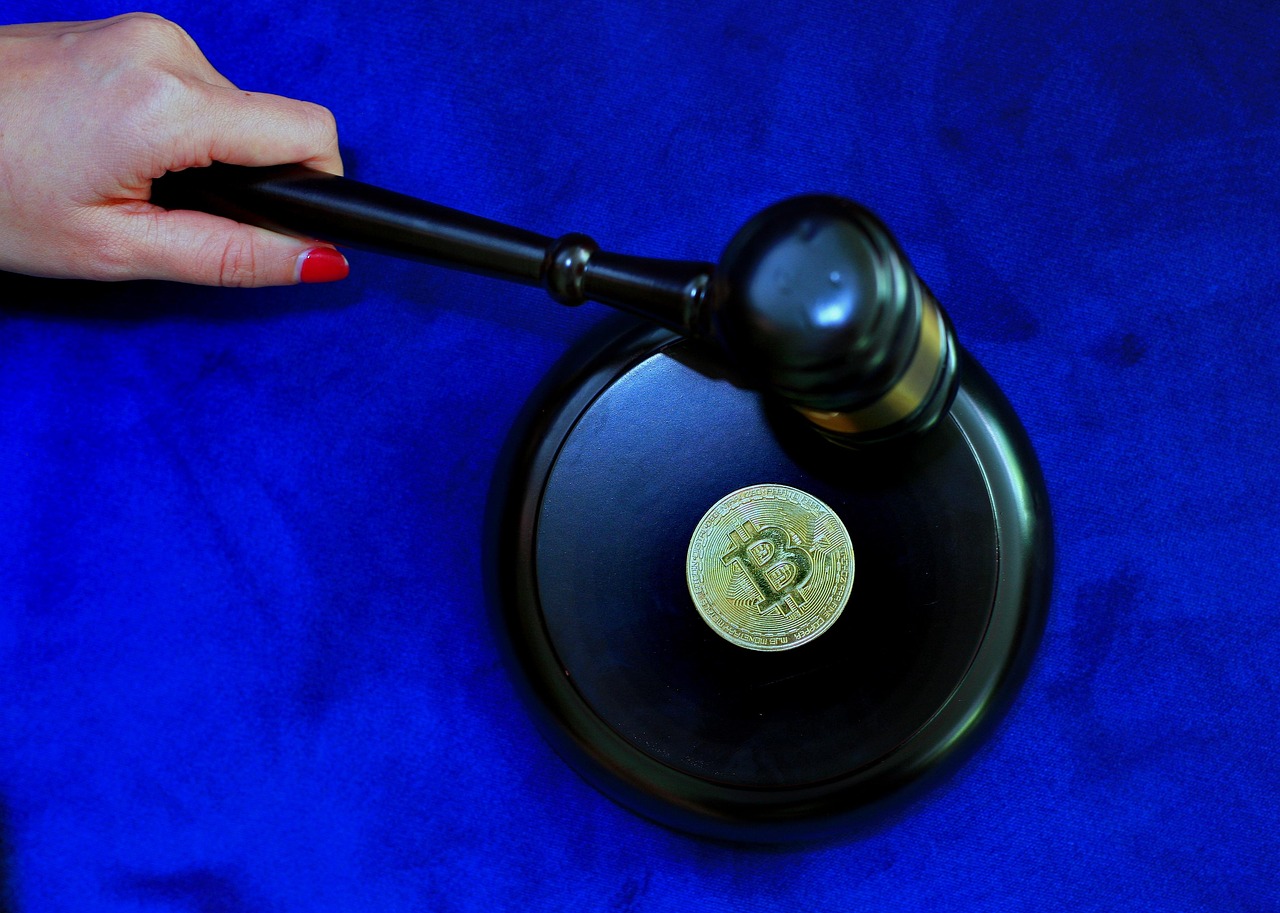

Regulatory Challenges in Cryptocurrency Services
The world of cryptocurrency presents significant regulatory challenges for financial services. One of the primary concerns is the lack of uniformity in regulations across different jurisdictions. Various countries have developed unique regulatory frameworks, resulting in inconsistent compliance requirements for businesses. This inconsistency can hinder innovation and create barriers to entry for many new ventures. Cryptocurrencies operate on a decentralized model, complicating efforts to enforce traditional regulatory frameworks. Additionally, regulators often struggle to keep pace with rapid technological advancements in the crypto space. The challenges also extend to anti-money laundering (AML) and know your customer (KYC) requirements, which are crucial for preventing illegal activities. The implementation of these regulations can be complex, drawing criticism from various stakeholders due to their perceived bureaucratic nature. Furthermore, different interpretations of cryptocurrency classification among regions, whether as currencies or commodities, add another layer of complexity. The difficulty in tracking transactions for regulatory purposes, given the anonymous nature of digital currencies, exacerbates these challenges. As the market evolves, regulators must find balance to promote growth while ensuring adequate protection for consumers and financial systems.
A key aspect of the regulatory landscape is the evolving nature of cryptocurrency classification. Different countries have adopted varied classifications for cryptocurrencies, with some treating them as securities while others categorize them as commodities. For instance, the U.S. Securities and Exchange Commission (SEC) has taken a firm stance on classifying certain digital assets as securities, thus making them subject to stringent regulations. This designation results in the necessity for compliance processes that can be lengthy and costly for crypto businesses. Meanwhile, some jurisdictions are embracing more lenient regulations to attract innovation in the financial sector. This competitive regulatory approach can create loopholes that facilitate non-compliance or abusive practices. The rapid emergence of new financial products, such as initial coin offerings (ICOs) and decentralized finance (DeFi), has further complicated these classifications. Policymakers often find themselves lagging behind market developments, struggling to create meaningful regulations that effectively address consumer protection and financial stability. Developing international standards to harmonize regulatory frameworks ultimately seems essential. Encouraging cooperation among regulatory bodies globally can reduce confusion faced by businesses and create a more conducive environment to foster cryptocurrency innovation.
Consumer Protection and Market Integrity
Protecting consumers and maintaining market integrity is paramount in the cryptocurrency service arena. The rapid rise in user participation has led to an increase in scams, fraud, and unauthorized trading platforms that operate without sufficient regulatory oversight. Customers may find themselves vulnerable to significant financial losses if there are inadequate protections in place. Regulators face the challenge of ensuring that users are educated about the risks associated with cryptocurrency investments. Transparency in operations and trading practices becomes critical to sustaining user confidence. Implementing robust licensing and operational requirements for businesses can help mitigate risks. The need for clear guidelines on trading platforms, asset custody, and conflict of interest management has never been clearer. Regulators must establish mechanisms for whistleblowing and reporting fraudulent activity to empower users. Moreover, the need for efficient communication strategies and clear dispute resolution channels cannot be overlooked in the evolution of cryptocurrency services. Addressing these consumer protection issues will provide greater stability and trust in the market. Educating users helps create an informed consumer base that can engage with cryptocurrencies responsibly and understand the risks involved.
Technology in the cryptocurrency space can create an enhanced landscape for compliance and regulatory adherence. Innovative technological solutions, such as blockchain technology itself, can provide transparency and traceability of transactions that regulatory bodies often require. The immutable nature of blockchain can also aid in preventing fraud and ensuring accountability among participants. Furthermore, regulatory technology (regtech) solutions are being developed to help businesses streamline their compliance processes. Companies can utilize AI-driven tools and algorithms to monitor and analyze transactional data for compliance with AML and KYC requirements. Such technology enables faster reporting and minimizes human errors. However, the integration of these technologies poses challenges, such as data privacy concerns and the need for standardization of protocols among operators. As more businesses leverage technology to enhance compliance, regulators must adapt their approaches to embrace innovations while safeguarding consumer interests. This ongoing evolution requires a partnership between the industry and regulators to develop feasible solutions. Ultimately, fostering an environment where innovation meets regulation can promote growth while ensuring that consumer protection remains a priority.
Global Collaboration for Regulatory Clarity
Given the borderless nature of cryptocurrencies, global collaboration becomes crucial for effective regulation. Countries must engage in conversations and share best practices to create coherent frameworks that address shared concerns. This cooperation can bolster efforts to regulate cryptocurrencies at an international level, reduce the regulatory arbitrage that occurs in jurisdictions with less stringent rules, and deter potential illegal activities. International organizations, such as the Financial Action Task Force (FATF), play vital roles in setting standards for combating money laundering and promoting regulatory compliance. Establishing mutual recognition agreements can expedite the compliance process for crypto businesses operating in multiple regions. Countries must work toward transparency in regulatory approaches to promote trust and provide a level playing field. The ongoing challenge remains balancing effective regulation and encouraging innovation without stifling technological advancement. As new markets emerge, regulators need to anticipate the challenges posed by digital assets proactively. Advocating for inclusive discussions while keeping consumer protection at the forefront can lead to initiatives that safeguard both users and the financial system. Collaboration offers a pathway to streamline compliance across borders and create a sustainable ecosystem for cryptocurrency services.
Regulatory sandboxes provide an innovative approach for cryptocurrency services to navigate legal frameworks while encouraging collaboration between regulators and startups. These environments allow businesses to test their products and services in a controlled setting with reduced regulatory hurdles. Such arrangements can facilitate a better understanding of emerging technologies while enabling regulators to observe the potential implications of these innovations firsthand. As a result, regulatory sandboxes can produce valuable insights and inform policymakers about the efficacy of existing rules. This iterative process of learning helps regulators adapt their frameworks to current realities, creating a more conducive environment for cryptocurrencies. For participants, the opportunity to innovate within a sandbox provides a space to develop compliant solutions while addressing regulatory concerns. However, the success of these initiatives largely depends on the level of engagement from public authorities. If implemented effectively, these sandboxes can serve as a bridge between tradition and innovation, cultivating an atmosphere of growth. Globally, various jurisdictions have adopted this model, demonstrating its potential to influence the future landscape of cryptocurrency regulation positively. Such initiatives can ultimately minimize risks for consumers while fostering responsible innovation in the sector.
Conclusion
In summary, the regulatory challenges in cryptocurrency services are complex and multifaceted, calling for a collaborative approach among stakeholders. Balancing consumer protection and fostering innovation is essential in navigating these challenges effectively. As digital currencies continue to gain traction, policymakers must remain adaptable in their frameworks to meet evolving market realities. The lack of a one-size-fits-all regulation emphasizes the need for tailored approaches that consider varying regional landscapes. In addition, enhancing global cooperation can lead to better standards and practices that enhance market integrity and consumer safety. Given the rapid pace of technological advancement, the integration of innovative solutions for compliance will be critical in overcoming regulatory hurdles. Engaging in constructive dialogue through platforms such as regulatory sandboxes fosters collaboration and encourages progressive developments. Ultimately, a proactive, inclusive approach will serve as the foundation for a sustainable cryptocurrency ecosystem, benefiting consumers and enabling financial stability. As we embrace the future of finance, addressing these regulatory challenges head-on is imperative to ensure an equitable and secure cryptocurrency landscape.