
The Role of Credit Scores in Financial Health
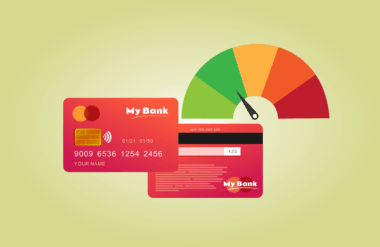
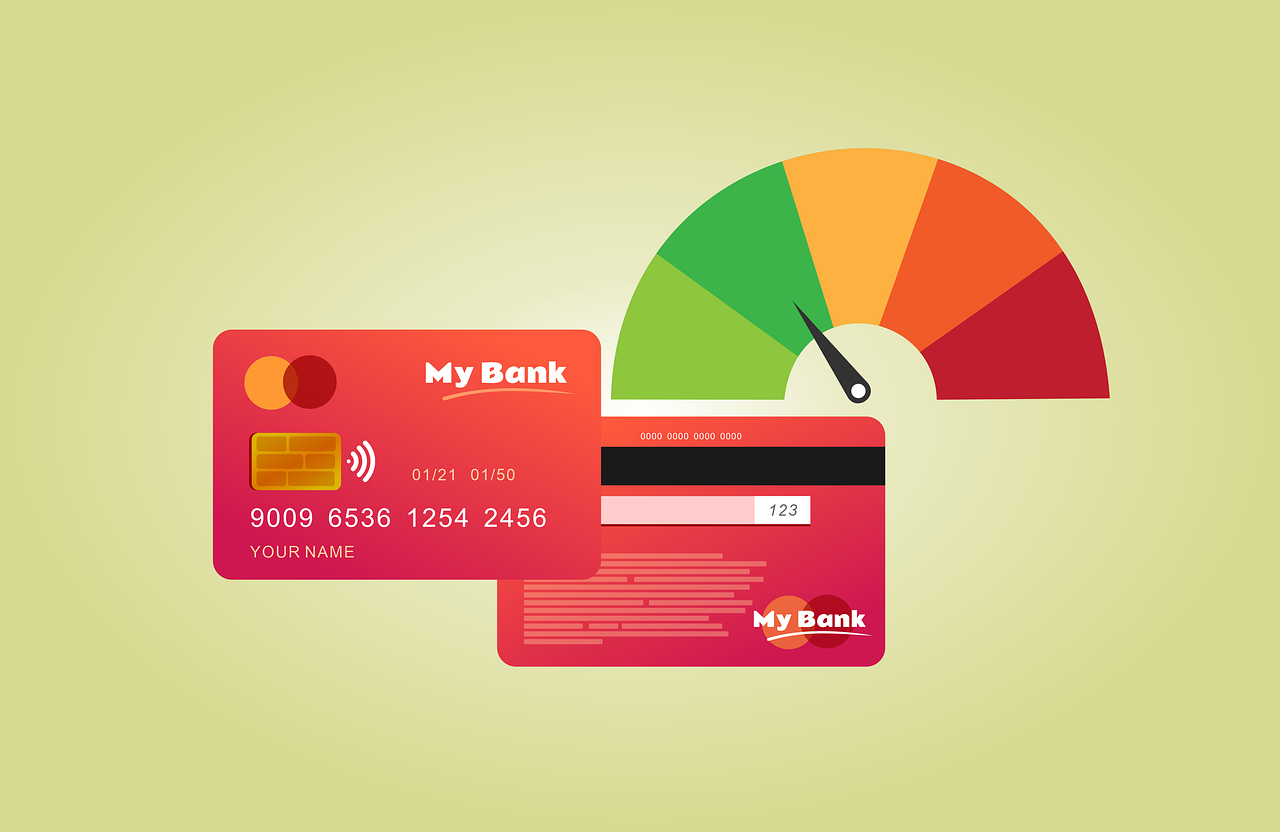
Understanding credit scores is essential for anyone looking to manage their financial health effectively. A credit score is a numerical representation of an individual’s creditworthiness, derived from their credit history. Lenders use this score to assess the risk involved in giving out loans. Scores typically range from 300 to 850, where a higher score signifies better creditworthiness. Factors that contribute to a credit score include payment history, amounts owed, length of credit history, new credit, and types of credit used. Regular monitoring of your credit score can help identify any discrepancies or negative marks that could affect your financial options. Knowing your credit score empowers you to take charge and rectify issues proactively. Paying off debts on time, keeping credit utilization low, and avoiding unnecessary hard inquiries can improve your score over time. Additionally, many financial institutions now offer tools that allow for free access to your credit score, enabling consumers to maintain awareness of their financial health. Understanding these aspects makes it easier to achieve financial stability and secure loans at favorable rates.
Credit scores play a significant role in determining the interest rates on loans. When applying for personal loans, lenders evaluate your credit score as part of the approval process. A higher credit score generally translates to lower interest rates, which can save you substantial amounts on repayment over the life of the loan. For example, a difference of just a few percentage points in interest can lead to thousands of dollars in savings. Individuals with lower credit scores may not only face higher interest rates but also be denied loans altogether. This makes it crucial for consumers to maintain good credit health. Various actions can help improve credit ratings, such as consistently paying bills on time, reducing overall debt levels, and maintaining a diverse mix of credit types. Banks and financial institutions are also becoming more competitive, introducing various products catered to lower credit scores, helping consumers improve their financial situation gradually. Understanding loan terms and their relation to credit scores can empower consumers to make informed decisions when borrowing money. Being proactive about your credit score can lead to better opportunities for loans when needed.
Impact of Credit Scores on Financial Decisions
Your credit score dictates not only your eligibility for loans but also your access to other important financial products. Insurance premiums, rental agreements, and even job applications can be influenced by your credit score. Many landlords utilize credit reports to screen potential tenants, ensuring that they can depend on timely rent payments. Additionally, numerous employers consider credit histories, which could affect hiring decisions, especially for positions involving financial responsibilities. Thus, maintaining a strong credit score is crucial as it impacts multiple facets of your life beyond just borrowing. With the right knowledge and tools, individuals can improve and safeguard their credit scores for better financial opportunities. Establishing a solid financial foundation starts with understanding these implications and acting wisely. Consider setting up automatic payment systems for bills to avoid late payments, and regularly review your credit report for errors. Taking proactive steps will allow you to minimize risks, making your financial decisions easier and more beneficial in the long run. Financial literacy is an ongoing journey, and knowing how credit scores affect various decision-making aspects is a vital part.
Another influence of credit scores extends to the cost of services and utilities. Utility companies often check credit scores before establishing new accounts, particularly for services like electricity, water, and gas. A low credit score may prompt a company to require a deposit before starting service, adding an immediate financial burden. Understanding how credit scores affect various services can help consumers manage their overall expenditure effectively. Consumers can mitigate these impacts by improving their scores through responsible credit management practices. Utilizing credit cards wisely, ensuring timely loan payments, and keeping old accounts active can enhance the overall credit landscape. Moreover, seeking professional advice when navigating credit issues can yield tailored strategies and practical guidance. Local credit counseling services are available for those seeking assistance in improving their credit scores. Always remember, enhancing your financial health is a gradual process, and consistent efforts are vital. The rewards include not only better loan terms but also more favorable terms with insurance and service providers. Improved credit scores can significantly alter financial scenarios, yielding long-term cost benefits.
Monitoring and Understanding Credit Reports
Monitoring credit reports regularly enhances an individual’s understanding of their financial health. A credit report chronicles credit history, detailing how credit accounts are managed over time. Checking these reports at least annually helps individuals identify inaccuracies or fraudulent activities that may impact their credit scores negatively. Under the Fair Credit Reporting Act, Americans are entitled to one free credit report each year from each major credit reporting agency. Taking advantage of this report helps consumers maintain accurate records and rectify mistakes promptly. In case of discrepancies, immediate action should be taken to dispute inaccuracies with the credit bureaus. Credit checks can reveal insights into the factors affecting your score, allowing for focused improvements. Errors, late payments, and high credit utilization are common issues that could drag down one’s score. Knowing how to read and interpret credit reports is also critical; focusing on factors such as payment history and credit inquiries can help tailor a strategy to improve credit scores gradually. This process significantly enhances long-term financial planning, giving individuals the clarity they need for wise decision-making.
It’s essential to cultivate good financial habits as they contribute significantly to building and maintaining a positive credit score. Simple practices such as budgeting, saving for emergencies, and responsible borrowing can help establish a solid financial foundation. Budgeting ensures that monthly expenses align with income, reducing the risk of missing payments that can negatively impact your score. Set aside a specific portion of your income for savings, which can provide a buffer against unforeseen circumstances. Additionally, responsible borrowing entails only taking what you can afford to pay back. Understanding the terms of loans or credit agreements enables better decision-making regarding financial commitments. Utilize tools and apps designed for managing finances effectively to track spending and savings. A well-planned strategy involving these habits can translate to improved credit scores over time, leading to access to credit at favorable terms and conditions. Financial literacy packs a powerful punch in altering your credit health trajectory. Diligently investing time in enhancing financial knowledge can yield dividends not just for immediate needs but for long-term financial well-being.
Conclusion: Financial Empowerment Through Credit Management
In summary, managing credit scores is integral to achieving financial health and empowerment. Understanding how credit scores function, their impacts on loans, and the various factors contributing to them equips consumers with tools for improvement. Proactively monitoring credit reports and making informed financial decisions can lead to a favorable score that opens up a multitude of financial opportunities. Engaging in responsible credit management practices forms the backbone of a stable financial future. Individuals should invest time in educating themselves about credit and strategically managing their borrowing. Access to credit can lead to better financial products, lower interest rates, and improved overall quality of life. Remember that changes to credit scores do not happen overnight; patience and persistence are essential components of the journey. By practicing prudent financial habits, maintaining awareness of credit reports, and taking advantage of the resources available, individuals can significantly enhance their financial standing. The journey to better credit health is ongoing, but it starts with understanding its importance and utilizing best practices for effective management.
With the advantages of improved credit scores pervading many aspects of financial life, immediate focus on personal financial habits becomes crucial. Engaging in discussions with professionals in finance or taking part in workshops aimed at financial education can broaden understanding. Accessibility to various financial resources and support creates a pathway to sustainable credit management strategies that can lead to long-lasting success. Remember, the better the score, the greater the chances of achieving your financial goals, whether purchasing a home, securing a car loan, or obtaining credit cards. Being aware of one’s financial state provides empowerment over personal choices and responsibilities. Therefore, as you venture into improving your credit score, align your efforts with long-term financial objectives. Effective credit management leads to healthier financial habits that ensure stability, growth, and security in personal finances. Embrace the process of learning and improvement, as every step taken contributes positively to your financial narrative.