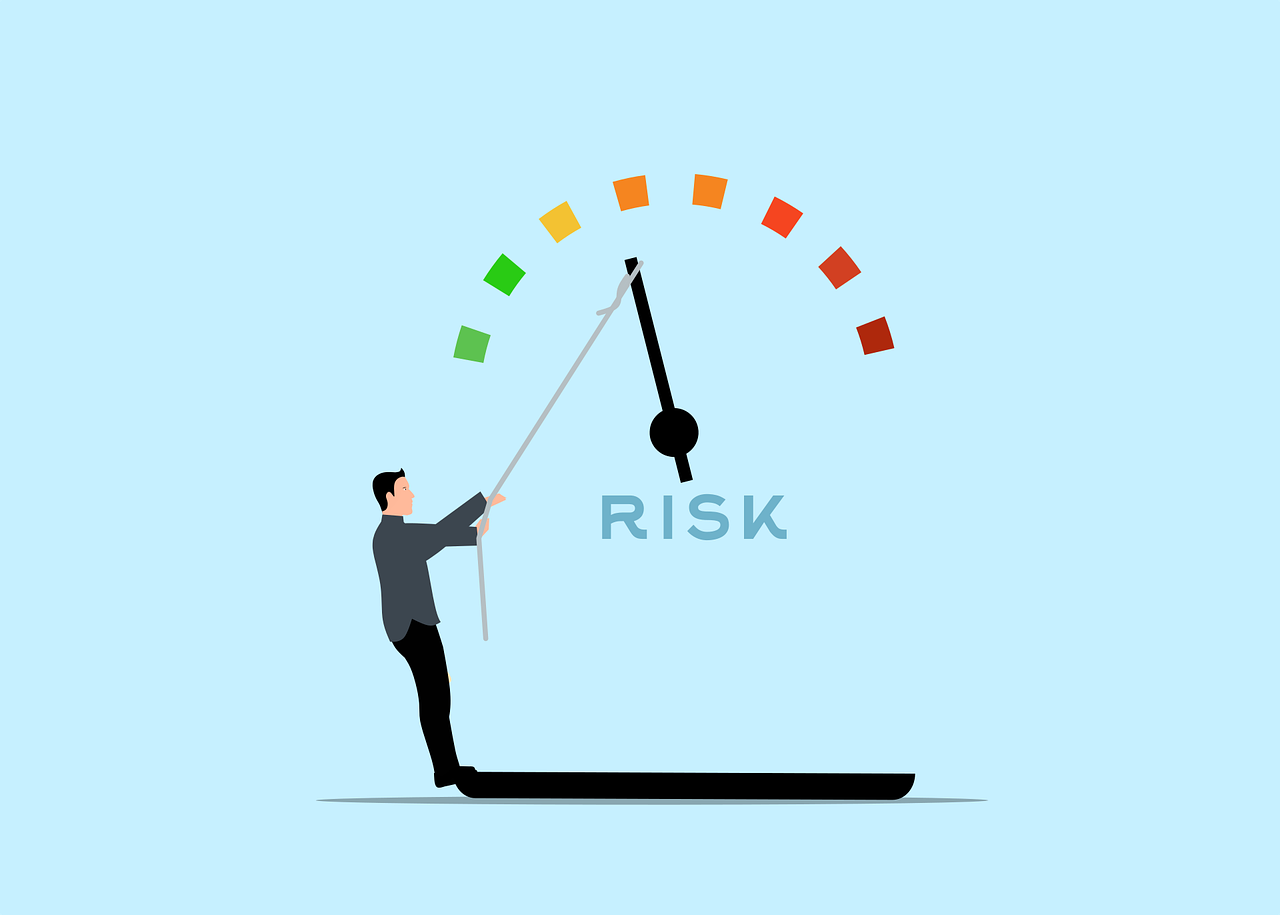

Understanding Risk Management in Impact Investing
Impact investing is a significant approach to philanthropy and venture capital that blends financial returns with social benefits. Assessing risk in such investments is crucial for investors. Risk management in impact investing encompasses evaluating financial risk, social risk, and balancing potential returns with intended impact. Investors need to develop frameworks to quantify these risks effectively. By understanding the unique challenges that impact investing presents, stakeholders can make informed decisions. These frameworks can assist investors in risk identification, assessment, and mitigation strategies, enhancing confidence. Strong analytical tools and methodologies are essential. Investors often use a variety of metrics to determine effectiveness. This is where traditional financial assessment tools intersect with social value evaluation. Stakeholders need collaboration with experts from both financial and social sectors. Learning from incidents can be beneficial in refining approaches. Investors can use data to identify trends and anticipate outcomes. Additionally, the role of due diligence becomes even more pivotal. A robust due diligence process can reveal potential risks ahead of any investment. Moreover, understanding regulatory changes and market shifts is vital for maintaining a competitive edge. Risk management shapes the future landscape of impact investing in a sustainable way.
Effective risk management not only protects investor capital but also strengthens partnerships with social enterprises. Strong relationships with grantees are foundational for increasing the potential benefits of investments. Investors should consider key factors surrounding investment risk: organizational stability, market conditions, and the intended social impact. Engaging with potential investees through continuous dialogue helps to align goals. Risk assessments should be tailored to industry specifics, paying attention to unique challenges or market dynamics. Additionally, employing scenario analysis aids investors in understanding how different variables might affect an investment’s performance. Tools such as stress testing can provide deeper insights into potential crises. Importantly, selecting the right measurement metrics plays a pivotal role in understanding risk and impact levels. Investors can adopt both quantitative and qualitative indicators for a comprehensive review. This helps in making informed decisions that transcend mere financial analysis. Moreover, considering environmental and social governance (ESG) factors can further enhance risk management strategies. Investors who prioritize ESG factors often find that it improves overall risk profiles. By integrating ESG elements into their core processes, they create more comprehensive investment strategies that mitigate potential risks while amplifying positive outcomes.
Building Effective Risk Assessment Frameworks
Constructing an effective risk assessment framework for impact investing requires a multifaceted approach. This involves identifying, analyzing, and prioritizing risks systematically. Investors should first evaluate the specific impact goals of each investment. Understanding the interplay between social impact objectives and financial returns is essential. The alignment between these objectives can drive a cohesive approach to managing risk. Risk assessment frameworks often include qualitative reviews along with quantitative analysis. Key performance indicators (KPIs) should reflect the social impact explicitly. Investors may conduct workshops or focus groups with stakeholders to gather qualitative insights. Collaboration with experts in social impact can lead to more nuanced understandings. Regularly updating risk assessment tools ensures they remain relevant and effective over time. It is also important to engage in continuous learning and knowledge sharing among peers. Networking within the community can foster innovation in risk management techniques. Documentation of past experiences, both successes and failures, provides valuable lessons. Investors should initiate discussions on best practices. Sharing outcomes can lead to better practices across the sector. Ultimately, the goal is to minimize risks while maximizing social returns on investment through thoughtful evaluation processes.
In addition to building frameworks, investors must embrace a culture of adaptability. Recognizing that the landscape of impact investing is constantly evolving is critical for effective risk management. Investors should remain open to new ideas and practices. This adaptability may involve revisiting goals and realigning strategies in response to changing market conditions or regulatory environments. Utilizing technology can significantly enhance risk management capabilities. Various digital tools assist in data collection and analysis, allowing for timely decision-making. The integration of artificial intelligence (AI) and machine learning can also aid in predicting potential risks based on historical data. Furthermore, ensuring responsive communication channels between investors and social enterprises is vital. Transparency fosters trust and facilitates proactive risk mitigation. Engaging stakeholders regularly helps in addressing emerging risks early. Constructing a robust feedback loop is essential for continuous improvement. Education and training initiatives should be implemented to keep all parties informed. Encouraging investment teams to explore new training opportunities can enhance skills. Moreover, investing in research regarding best practices can inform strategies. Through these methods, organizations can create sustainable risk management landscapes that align with their mission-driven goals.
Measuring Impact and Risk Integration
Measuring social impact and integrating it with risk management is integral to the success of impact investing. One challenge lies in quantifying intangible social benefits. Investors should focus on developing frameworks that incorporate both financial and social metrics. Tools like social impact bonds can effectively bridge this gap, allowing for clearer connections between capital and outcomes. Furthermore, stakeholder engagement plays a larger role in shaping evaluations. Collecting feedback from beneficiaries offers a deeper insight into the actual effects of investments. Surveys and interviews aid in shedding light on both successes and areas for improvement. Implementing a balanced scorecard approach can help in analyzing performance across multiple dimensions. This ensures that investors maintain a holistic view of their portfolios. Additionally, leveraging third-party evaluations can bolster credibility. Independent assessments provide unbiased insights that enhance trust between investors and investees. Regular reporting on social impact metrics keeps stakeholders informed and engaged. Investors may also benefit from participating in industry networks that advocate for standard practices in impact measurement. Evolving assessment methodologies can lead to greater consistency across the sector. As standards emerge, they will serve both investors and enterprises in navigating risk more effectively.
A strategic approach to risk management involves recognizing the importance of collaboration among various stakeholders involved in impact investing. Cross-sector partnerships can create shared learning opportunities between investors, nonprofits, and governments. Working together can lead to more innovative solutions for common challenges. Collaborative initiatives also foster a collective understanding of risks in diverse contexts. The establishment of shared platforms can promote transparency and improve data access. Investors can contribute to the development of open-source research that benefits the entire ecosystem. Engaging in dialogues around impact investing policies creates a supportive environment for all parties. Peer support networks can also aid investors in navigating complex risk scenarios. Social enterprises often face unique risks, and understanding these through collaboration enables tailored investment strategies. Additionally, sharing success stories can offer motivation and showcase effective practices. Investors should leverage lessons learned from collective experiences to foster resilience in the community. This collaborative narrative highlights the impact of joint efforts. The growing interconnectedness of stakeholders can ultimately lead to robust systems. By integrating diverse insights, impact investing can thrive and contribute positively to society overall, mitigating risks through collective action.
Conclusion: The Future of Impact Investing
The future of impact investing hinges on innovative and proactive risk management strategies. As this field continues gaining attention, the method by which risks are managed will evolve. Investors must embrace a mindset centered on continuous improvement and flexibility. Future trends may see a greater emphasis on technological integration, as advancements play significant roles in risk assessment. Furthermore, increasing regulatory scrutiny will necessitate enhanced transparency and accountability within impact investing. Stakeholders should remain informed to anticipate changes proactively. Building capacity through education will equip investors with the necessary skills to navigate these challenges. The narrative surrounding impact investing should focus on its potential for creating meaningful change. Broader awareness can drive more investment toward social benefits while delivering financial returns. Mobilizing private capital toward sustainable development goals can reshape communities globally. Investors who adopt leading practices in risk management will position themselves as pioneers in this dynamic sector. By emphasizing both financial and social outcomes, impact investing can foster sustainable growth. As the landscape transforms, the interplay between risk and impact will remain a priority for all stakeholders. Ultimately, a collaborative effort will shape the future of this vital investment space.
This concludes the article on understanding risk management principles in impact investing. By honing methodologies and frameworks, investors can significantly impact outcomes. It’s important to remember that the road ahead is challenging yet rewarding. Navigating risks effectively will ensure that both financial and social returns are achieved. Stakeholders must remain committed to furthering these practices for a more sustainable future.