
The Use of Big Data in International Trade Analysis
In the rapidly evolving landscape of international trade, data plays a critical role in shaping decisions and strategies. Big data analytics allows businesses to sift through vast amounts of information, gaining insights that were previously out of reach. By analyzing patterns and trends, companies can optimize their supply chains and improve demand forecasting. Additionally, understanding trade statistics enhances a firm’s ability to make informed choices when entering new markets. With the advent of technologies such as machine learning and artificial intelligence, analyzing trade data has become more streamlined and effective. Big data provides insights into customer preferences, enabling businesses to tailor their offerings accordingly. Furthermore, it facilitates real-time tracking of shipments and inventory levels, ensuring a smoother operational flow. These advantages can significantly reduce costs and increase efficiency in the international trade sector. Ultimately, embracing big data is no longer optional for businesses wanting to stay competitive. Those that leverage these analytical capabilities will position themselves more favorably in the global market. Continuous advancements in big data technology promise even more transformative effects on how trade is conducted worldwide.
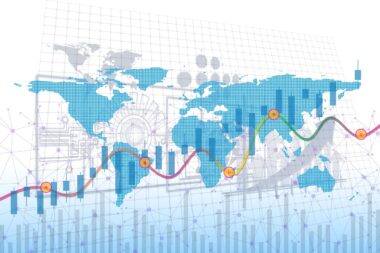
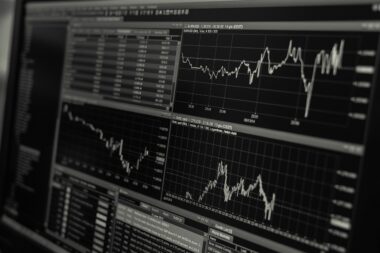
The importance of data visualization is crucial in understanding international trade dynamics. Big data is nothing without effective visualization techniques that present information clearly. For instance, charts, graphs, and maps are essential tools that help stakeholders grasp intricate relationships among various trade variables. Utilizing presentation techniques, businesses can convey complex data in ways that are easy to interpret. Moreover, interactive dashboards have become popular as they allow users to explore data on their own terms. These tools enable deeper analysis of trends, correlations, and anomalies, leading to more informed decision-making processes. Incorporating visualization into data analysis helps stakeholders identify key insights quickly, reducing the time spent on analysis. With visually appealing representations, it becomes easier to communicate findings to team members and executives alike. Consequently, companies that excel in data visualization can gain a competitive edge in the market. As international trade becomes even more intricate, the demand for accessible, insightful visualizations is expected to grow. Thus, investing in these technologies is vital for businesses striving to enhance their data-driven strategies in the global market.
Challenges of Implementing Big Data
While big data presents numerous advantages in international trade analysis, it also comes with its own set of challenges. The vast volume of data generated from various sources can make it overwhelming for businesses to manage effectively. Organizations must ensure that they have the necessary infrastructure in place to store and process this data efficiently. Additionally, quality control becomes increasingly important, as the presence of inaccurate or incomplete data can lead to misguided decisions. Ensuring data accuracy requires implementing robust systems for data cleansing and validation before analysis. Furthermore, businesses must be equipped with skilled professionals who can interpret complex data findings. A shortage of expertise in big data analytics poses another challenge. Lastly, the ethical use of data is a growing concern. Organizations must navigate issues surrounding data privacy and compliance regulations. Striking the right balance between leveraging customer information for insights while respecting privacy rights is increasingly challenging. Therefore, these challenges require careful consideration as businesses seek to integrate big data into their international trade strategies. By addressing these difficulties, organizations can unlock the full potential of big data in their operations.
Incorporating big data into international trade analysis also raises essential questions regarding data sources. Companies must identify the most relevant and reliable data sources to ensure the accuracy of their analyses. This includes trade databases, government reports, and even social media analysis. By blending information from various sources, businesses can create a more comprehensive view of market conditions and potential risks. Identifying trends and patterns in these diverse datasets greatly enhances forecasting accuracy. External factors, such as geopolitical events or economic shifts, must also be accounted for when analyzing trade data. By understanding the context surrounding data points, organizations can make sound judgments based on insights derived from big data. Such holistic approaches ensure that businesses remain responsive to changes in market dynamics. Collaborating with data providers and leveraging public data can also extend a company’s analytical reach. This ensures that businesses are not solely reliant on their internal data but rather have a well-rounded perspective. Ultimately, the choice of data sources profoundly influences the insights one can garner through big data analytics.
The Role of Predictive Analytics
Predictive analytics plays a pivotal role in leveraging big data for international trade analysis. By using statistical algorithms and machine learning techniques, businesses can forecast future trends with remarkable accuracy. This capability enables organizations to anticipate market demands and adjust their strategies proactively. For instance, predictive models can analyze historical trade data to identify seasonal patterns in consumer behavior. Armed with this knowledge, companies can optimize inventory levels and plan their operations accordingly. Furthermore, predictive analytics can signal potential disruptions in the supply chain, allowing businesses to devise contingency plans to mitigate risks. By preparing for unforeseen circumstances, companies safeguard their operations against potential setbacks. Moreover, the ability to analyze competitor behavior through predictive models offers invaluable insights for strategic positioning. Organizations can understand how competitors might react to market changes and adjust their approach accordingly. As predictive analytics continues to advance, its applications in international trade are expected to expand. Ultimately, businesses that harness the power of predictive analytics will gain a substantial competitive advantage in the global marketplace.
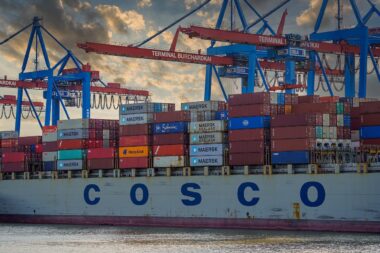
Real-time data processing is another essential aspect of big data in international trade analysis. The fast-paced nature of global trade demands that companies access up-to-date information for timely decision-making. Businesses equipped with real-time data analytics can monitor shifts in consumer preferences, tariffs, and trade regulations. This awareness allows them to respond to fluctuations in demand or supply instantly. Moreover, accessing live data ensures businesses can manage their logistics more effectively, reducing downtime and improving customer satisfaction. Tracking shipments in real-time enables companies to keep their stakeholders informed and anticipate potential delays proactively. This level of transparency fosters trust among clients, improving relationships and long-term partnerships. In contrast, businesses without real-time capabilities risk falling behind, potentially losing valuable sales opportunities. Additionally, real-time analytics can enhance collaboration across departments, as all teams can access and act on the same information simultaneously. Implementing real-time big data solutions requires investment, yet the dividends it pays in agility and responsiveness are essential for sustained success in international trade.
Future Trends in Big Data Analytics
The future of big data analytics in international trade looks promising, with continued advancements on the horizon. Emerging technologies such as artificial intelligence and blockchain are poised to reshape data processing and analysis methods significantly. AI-powered tools will provide even deeper insights, enabling businesses to engage in predictive modeling and comprehensive scenario planning. Moreover, as blockchain technology gains traction, its ability to provide transparent and immutable records will revolutionize trade documentation. By utilizing these innovations, companies can further enhance trust among international trading partners. Additionally, the integration of Internet of Things (IoT) devices into trade analytics will enhance data capturing at various points in the supply chain. This real-time data input will support more accurate predictive models and risk assessments. By keeping abreast of these trends, businesses can harness the power of big data to their advantage. Continuous investment in technology and workforce training will also be critical as the global economy evolves. Ultimately, those that adapt to these trends will emerge as leaders in the ever-competitive realm of international trade.
In conclusion, embracing big data and its analytical capabilities is essential for businesses engaged in international trade. The insights gained through big data enable companies to optimize their operations, make informed decisions, and stay competitive in a constantly changing landscape. From understanding consumer preferences to monitoring supply chain dynamics, the application of big data analytics can significantly enhance a company’s effectiveness in the global market. However, companies must also address the challenges associated with this data revolution, including data management, source reliability, and ethical considerations. Investments in technology and skilled personnel are vital to navigating these complexities. Furthermore, envisioning the future of big data in international trade, organizations must remain agile and open to embracing new tools and methodologies that emerge. The potential of big data is vast, offering opportunities for companies to transform their approach and uncover hidden insights. The landscape of international commerce is forever altered by the integration of these analytics tools. As businesses look ahead, leveraging big data will undoubtedly be a defining factor in their success, paving the way for innovative trade practices and strategies moving forward.