
Market Manipulation and Regulatory Responses
Market manipulation involves practices intended to mislead investors by artificially influencing the price or volume of securities. Such activities jeopardize market integrity, leading to unfair practices benefiting a few while harming the larger collective. Common forms of manipulation include insider trading, pump and dump schemes, and wash trading. Insider trading occurs when individuals gain an unearned advantage through confidential information. On the other hand, pump and dump schemes artificially inflate stock prices through false statements and rumors. Wash trading, where an investor buys and sells the same security to create misleading activity, also distorts the true demand. Challenges remain for regulators, as manipulators often become increasingly sophisticated in their tactics. This sophistication complicates accurate detection and enforcement. The consequences for investors can be severe, resulting in substantial financial losses. Regulatory bodies need robust tools to counteract these manipulative tactics. Surveillance technology and rigorous market monitoring are essential. Effective reporting mechanisms must also be established to encourage whistleblowing. Ultimately, fostering transparency and accountability is crucial in determent against manipulation.
The Role of Regulatory Bodies
In response to market manipulation, various regulatory bodies have been established worldwide to oversee trading and enforce compliance. In the United States, the Securities and Exchange Commission (SEC) plays a vital role in protecting investors and maintaining fair markets. Similar organizations exist globally, such as the Financial Conduct Authority in the United Kingdom and the European Securities and Markets Authority in Europe. These organizations aim to promote transparency, monitor trading activities, and enact rules against manipulative practices. One of their primary functions is to create regulations that address manipulation forms, such as insider trading or pump and dump schemes. They employ investigative techniques to identify suspicious activities. Additionally, these bodies conduct educational programs to increase awareness about market abuse. Continuous training for professionals in the financial market can promote ethical behavior and reduce instances of manipulation. Moreover, collaboration between international regulatory organizations is vital, as many manipulative strategies cross borders. By sharing information and aligning regulatory practices, these entities can enhance collaborative enforcement efforts. Global cooperation is critical in establishing standardized definitions of manipulation and unified responses.
Enforcement actions by regulatory bodies often manifest in various penalties, including fines, sanctions, and criminal charges against offenders. Regulatory bodies aim to deter potential manipulators from engaging in illicit activities. Over the years, there have been high-profile cases where significant penalties have been imposed on offenders. These penalties serve as both punishment and a warning to others who may consider similar actions. For instance, individuals found guilty of insider trading can face multimillion-dollar fines and lengthy prison sentences. Regulatory bodies often release detailed information about these enforcement actions to serve as educational tools for markets. Compliance programs are also increasingly implemented by firms to prevent manipulation. By fostering internal controls, organizations can identify and deter manipulative behaviors before they escalate. Training staff is crucial for these compliance initiatives. Education helps ensure all employees understand potential manipulation signs and adherence to relevant regulations. Importance also lies in encouraging proactive reporting of suspicious activities through anonymous tip lines. This enhances regulatory efforts to catch manipulative practices early, maintaining market strength. The goal remains to act swiftly and decisively against all identified forms of market manipulation.
Technological Advances in Detection
Technological advancements have significantly enhanced the ability of regulators to detect market manipulation. With the increasing complexity of financial markets, traditional monitoring methods became inadequate. Enhanced data analytics and machine learning algorithms enable a deeper insight into trading patterns. These technologies can sift through vast quantities of transaction data in real-time, identifying anomalies indicative of manipulation. For example, algorithms are programmed to recognize patterns similar to those exhibited during previous manipulation cases. They flag suspicious activities for further investigation by regulators. Implementation of these technologies allows for quicker responses, reducing the time manipulators can exploit the market. Additionally, blockchain technology potentially offers a way to improve transparency and traceability within transactions. By providing a immutable ledger, it becomes harder to manipulate information undetected. Regulators, aware of these advancements, are increasingly incorporating technology into their enforcement strategies. Collaboration with tech firms and financial institutions helps in refining detection systems. Educational initiatives further assist, highlighting how technology can strengthen compliance. As markets continue to evolve, regulators must remain adaptive, continuously upgrading their tools and frameworks to address new challenges posed by technological innovation.
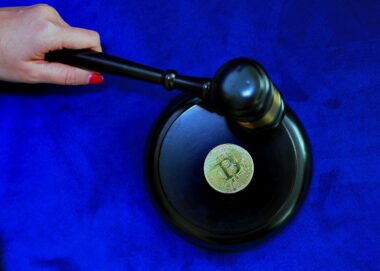
There remains a substantial gap in the regulatory framework, particularly concerning cryptocurrency markets. The rapid rise of digital assets has outpaced regulatory responses, leaving many vulnerable to manipulative schemes. Such markets often lack the same regulatory oversight as traditional financial markets. Consequently, participants are exposed to heightened risks, as fraudulent schemes like pump and dump tactics are prevalent. Regulatory bodies must develop frameworks specific to these digital environments, ensuring adequate protections are in place. Both technological innovation and financial literacy among consumers are vital to navigating these emerging markets. Investor education is paramount; understanding the risks associated with cryptocurrencies reduces the likelihood of falling prey to manipulation. Workshops and materials can empower investors with knowledge about potential red flags and scams. Collaborative efforts between regulators, exchanges, and developers will create a more transparent ecosystem. Formulating clear legislation also assists in establishing market integrity. Effective regulation can mitigate risks and bolster investor confidence in these burgeoning markets. Ultimately, adapting regulatory measures to current trends will enhance protections while fostering a secure trading environment in the cryptocurrency sphere.
Future Directions and Recommendations
Looking ahead, continuous advancements in both technology and regulation will shape the approach toward market manipulation. Future regulations need to embrace flexibility, enabling quicker adaptation to evolving market conditions and practices. Enhanced transparency among financial products and services must be prioritized to reflect ongoing developments. Moreover, encouraging market participants to adopt responsible behaviors can promote integrity. This entails creating a culture of compliance where ethical practices are the norm. Stakeholders, including firms and regulatory bodies, should actively collaborate to establish best practices. International cooperation remains crucial as markets become increasingly interconnected. Aligning different jurisdictions’ regulations helps mitigate regulatory arbitrage, where manipulators exploit less stringent regulations. Additionally, developing standardized practices across nations will facilitate smoother investigations and enforcement actions. Continuous education and dialogue between regulators and market participants will strengthen resilience against manipulation. Engaging with industries and academics can translate findings into actionable strategies. Overall, a proactive approach that incorporates education, transparency, and collaboration will enhance current frameworks, providing robust safeguards against market manipulation.
In conclusion, market manipulation poses a significant threat to the integrity of financial markets worldwide. Comprehensive regulatory responses are essential to maintain trust among participants. Regulatory bodies play a pivotal role in defining, monitoring, and enforcing compliance against manipulative practices. Through their continual evolution, they can address emerging challenges posed by technology and market complexity. Furthermore, leveraging technology and fostering collaboration among stakeholders enhances detection and prevention capabilities. Financial literacy and education will empower investors, minimizing their exposure to manipulation. The rapid rise of cryptocurrencies necessitates specific regulations to safeguard participants within these relatively unregulated terrains. Future regulatory frameworks must remain adaptive and responsive to the dynamic nature of markets. A holistic approach combining regulatory responses, technological innovation, and proactive engagement with the finance community will foster greater transparency and fair trading conditions. Ultimately, the commitment to addressing market manipulation will strengthen the overall financial system. By establishing a robust regulatory environment and cooperative efforts, stakeholders can collectively diminish manipulation’s occurrences and impact. Investors will benefit from this as confidence grows in the protection of their interests.