
The Effect of Late Student Loan Payments on Credit Health
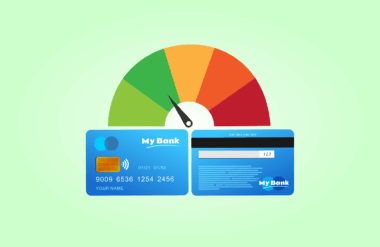
Student loans can provide essential financial support, but falling behind on payments can significantly damage your credit score. When payment deadlines are missed, lenders often report this delinquency to credit bureaus, which can cause your score to plummet. A lower score can lead to higher interest rates, making it more costly to secure future loans. In severe cases, a credit score drop can prevent individuals from qualifying for credit entirely. Late payments can remain on your credit report for seven years, compounding the negative effects. The initial dip from one late payment signals to lenders that you might be a risk. This can affect your ability to rent housing, secure a car loan, or even acquire a credit card. Managing student loan payments responsibly is crucial, as it demonstrates reliability to lenders. To safeguard your credit health, prioritize these payments and explore options such as deferment or income-driven repayment plans when financial strain occurs. Research suggests that proactively addressing financial challenges mitigates long-term credit score damage. Therefore, understanding your loan obligations is essential for maintaining a healthy credit profile.
The repercussions of consistently late student loan payments extend beyond immediate credit score impacts. Missed payments can initiate a cascade of financial challenges, including increased debt due to penalties and additional fees. Lenders may also impose higher interest rates on future loans for those with a history of late payments. This form of financial prejudice stems from the belief that borrowers who miss payments are financially irresponsible. It can thus become increasingly difficult to obtain necessary funding for large purchases such as homes and vehicles. Additionally, landlords may evaluate credit scores as part of their application process, making securing housing difficult. This creates a challenging situation for students, especially those entering the job market. Understanding how late payments affect credit health is vital for borrowers seeking to secure a stable financial future. Many individuals may overlook the importance of a good credit score, which serves as a reflection of financial behavior. Commitment to timely payments on loans can enhance one’s credit standing, thereby providing additional opportunities. Establishing a budget and sticking to it can help prioritize loan repayments, ensuring financial stability.
The Long-Term Consequences of Late Payments
Late payments can have long-lasting consequences on your financial journey. A single late or missed payment may seem insignificant, but its effects can reverberate throughout your financial life for years. Initially, you may notice a decline in your credit score, which directly affects your borrowing capacity. As mentioned previously, multiple late payments can lead to even tougher consequences, including the potential for default on the loan itself. Defaulting on loans can dramatically impact your financial future, hindering your ability to secure other loans or credit lines. The vast majority of lenders examine credit reports before extending offers, so a poor score will lead to higher interest rates and less favorable terms when securing loans. Aside from loans, rental applications and job opportunities may rely on your credit history as well. Therefore, consistently late student loan payments can have a ripple effect throughout various aspects of your life. Regularly monitoring your credit report can help identify any inaccuracies and disputes, but preventive measures such as timely payments are key to avoiding negative ramifications in the future.
One of the often-overlooked aspects of late student loan payments is the emotional toll it can take on borrowers. Many students are already managing the stress of academic responsibilities and transitioning into adulthood. The added anxiety of financial instability can lead to a decline in mental health, impacting overall well-being. Worrying about unpaid bills and accumulating debt can perpetuate a cycle of stress and anxiety, making it challenging to focus on studies and perform well academically. Some students might feel overwhelmed, leading to feelings of helplessness or fear about their future. These emotions can hinder academic success and even increase dropout rates. To combat this, students should seek financial counseling or utilize campus resources that help manage debts effectively. Engaging a financial advisor can equip students with strategies to budget effectively and prioritize payments. Support networks, including family and friends, can also play a critical role in navigating financial challenges. By taking proactive steps to manage student loans, borrowers can foster a healthier mindset while ensuring timely repayments. Seeking assistance is a powerful way to alleviate stress regarding financial responsibilities.
Ways to Manage Late Payment Risks
Students can take several actionable steps to minimize the risk of late payments on their loans. Firstly, establishing a budget can significantly aid in managing finances effectively. By tracking income and expenditures, borrowers can identify areas where they might cut costs to make timely payments. Additionally, automating loan payments is another excellent strategy to ensure that payments are made on time. Many lenders offer the ability to set up automatic withdrawals from checking accounts to avoid missing due dates. Furthermore, keeping open lines of communication with loan servicers can be beneficial. If you encounter potential struggles meeting scheduled payments, informing your lender can lead to options like deferment or forbearance. These alternatives can provide short-term relief without inflicting long-lasting damage on your credit score. Additionally, being proactive about loans by reviewing statements regularly can help catch errors before they result in late payments. Staying informed about the terms of loans ensures borrowers fully understand their obligations. Prioritizing financial literacy will empower students, aiding them in loan management and credit health. Setting realistic financial goals can improve financial behavior significantly.
Another essential factor in maintaining a healthy credit score involves access to a credit report. Regularly reviewing your credit report will enable students and borrowers to identify and rectify any inaccuracies that might otherwise damage their scores. Mistakes can occur due to human error or identity theft, and early detection is crucial for mitigating potential repercussions. Consumers are entitled to one free credit report per year from each major credit bureau, which provides a great opportunity to assess one’s financial standing. Confirming that all loan payments are accurately reflected ensures that borrowers can monitor their repayment behavior. When inaccuracies are identified, individuals should follow the dispute process to rectify their reports immediately. In addition, individuals can engage in credit monitoring services that help track credit score changes and alert them of potential fraud. Staying aware of changes in credit scores can provide timely information for making financial decisions. Understanding credit scores is beneficial not only for immediate concerns but lends itself to future financial health. Empowering oneself with knowledge surrounding credit can lead to better financial decision-making habits.
Conclusion: The Importance of Timely Payments
In summary, it is evident that timely payments on student loans are essential for maintaining a healthy credit profile. The repercussions of late payments extend far beyond immediate financial setbacks; they create long-lasting deficiencies in credit health. Making consistent payments demonstrates responsibility to lenders and fosters a sense of financial security. Recognizing the consequences of late payments can motivate borrowers to prioritize their student loan obligations, ultimately benefiting their overall financial futures. Moreover, students must actively work towards understanding their loans and seeking assistance whenever necessary to alleviate stress. Students who develop strong financial habits early on will find themselves better prepared for future financial endeavors, including home ownership and retirement planning. As financial literacy expands, individuals become empowered to align their spending and saving practices with their long-term aspirations. Therefore, implementing proactive steps such as budgeting, automated payments, regular credit reviews, and effective communication with lenders can safeguard one’s credit health. The journey into adulthood comes with financial challenges, but prioritizing timely payments can pave the way for a brighter financial landscape in the future.
Ultimately, understanding the effects of late payments on credit health is fundamental for students facing loan obligations. Given the complexities of repayment, developing an effective strategy to manage these debts can greatly influence future financial success. By prioritizing timely payments, proactively monitoring credit scores, and seeking assistance when necessary, borrowers can navigate the challenges of student loans. As credit scores significantly influence borrowing capacity and interest rates, understanding this relationship is essential for financial well-being. Balancing academic and financial responsibilities is no small feat, but the rewards of making sound financial decisions can lead to a brighter future. Therefore, as students transition through their educational journeys, they should emphasize the importance of maintaining their credit health. Building resilient financial habits now will set the stage for successful management of future loans and commitments. By orchestrating timely payments, utilizing available resources, and staying informed about credit matters, students can mitigate risks associated with late payments effectively. Keeping these strategies in mind can create a more secure financial future, despite the inherent challenges of student loans and credit management.