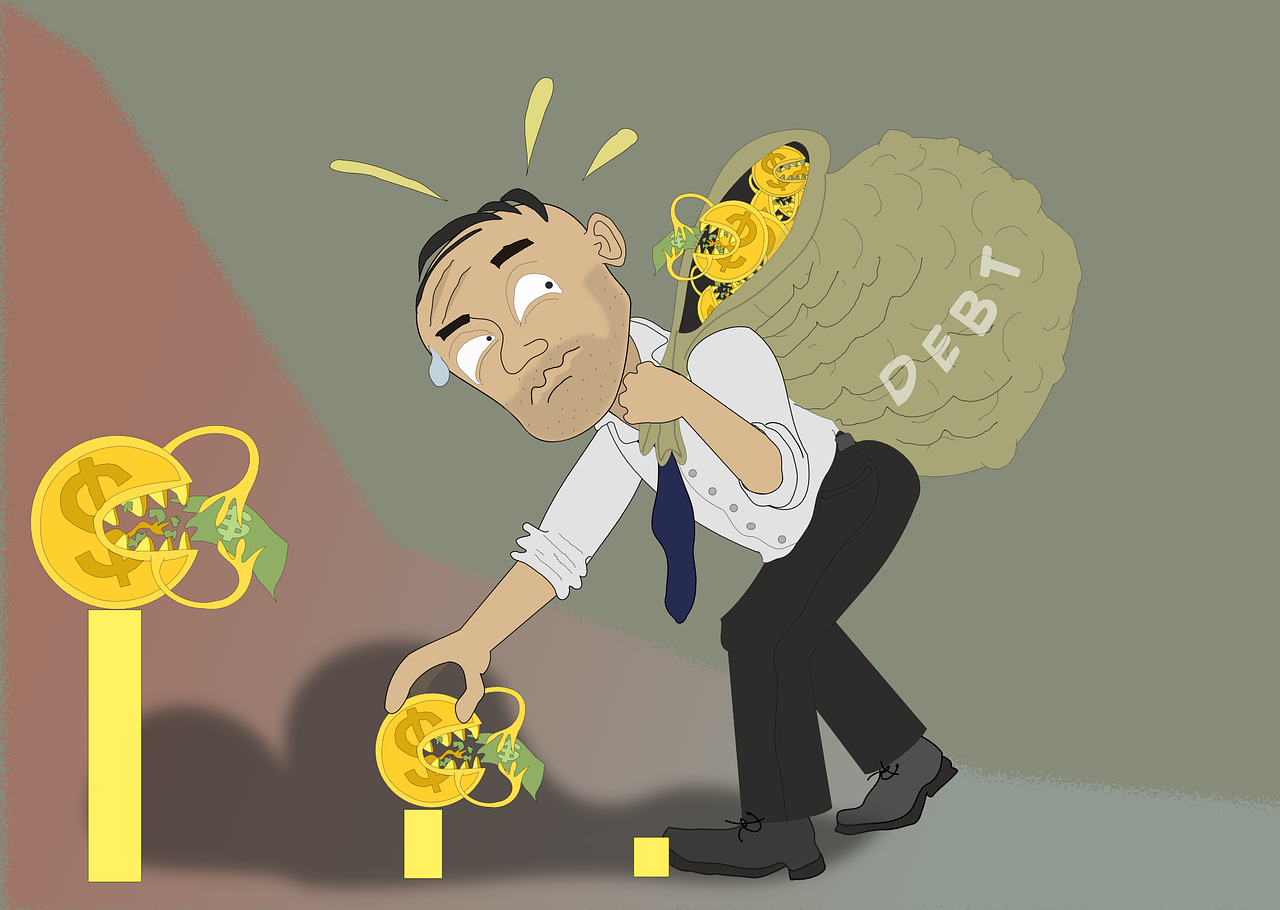

Using Cognitive Behavioral Therapy to Address Debt-Related Stress
Debt can be a significant source of stress, impacting individuals’ mental well-being. Cognitive Behavioral Therapy (CBT) is an effective tool for addressing issues related to debt, as it changes negative thoughts and behaviors. The first step in using CBT is to identify the negative thought patterns associated with debt. Individuals often experience guilt and shame, leading them to avoid financial obligations. Recognizing these thoughts allows patients to confront them head-on and work towards a more positive mindset. Implementing CBT strategies can help manage anxiety related to debt, enabling individuals to create a more realistic view of their financial situation. Moreover, by reframing thoughts, one can develop healthier coping mechanisms. CBT also emphasizes practical strategies such as budgeting and financial planning. These tools can empower individuals to regain control over their finances while managing stress. Workshops and support groups can reinforce learning, providing a communal environment where individuals share experiences. Learning not only reduces feelings of isolation but also offers valuable insights that can be applied in real-world scenarios. Overall, CBT offers a comprehensive approach to managing debt-related stress.
Incorporating CBT techniques involves understanding the interplay between thoughts, feelings, and behaviors. Stress related to debt often manifests as anxiety, anger, or helplessness. Individuals may ruminate on their financial circumstances, which exacerbates their emotional state. By focusing on triggering thoughts, CBT enables individuals to challenge these patterns. For instance, if someone believes, “I will never be debt-free,” therapists can help reframe this to be more constructive, such as, “I can take manageable steps towards clearing my debt.” Such reframing reduces the perceived magnitude of the problem, fostering a sense of empowerment. Additionally, practicing mindfulness techniques can further enhance this process. Mindfulness allows individuals to become aware of their current emotional state without judgment. This awareness can interrupt cycles of negative thinking, acting as a buffer against stress. Furthermore, CBT encourages proactive measures in handling debt-related pressures, such as establishing achievable budgeting goals. Setting small financial milestones can lead to significant improvements over time. Tracking progress builds motivation and helps individuals stay focused on their goal of reducing debt, ultimately alleviating the stress associated with challenging financial situations.
Building Positive Financial Habits
Establishing a healthy relationship with money is essential in managing debt-related stress effectively. CBT focuses on cultivating a more positive mindset about finances. Irrational beliefs surrounding money often exacerbate feelings of inadequacy. One common belief is that financial success equals personal worth, leading to anxiety and stress when in debt. Cognitive restructuring helps individuals recognize and replace these harmful beliefs with healthier alternatives. Clients learn to view financial situations strategically rather than emotionally. Developing disciplined budgeting habits can also be beneficial. Budgeting serves as a roadmap for financial health and stability. It reduces uncertainty, enabling individuals to make informed decisions based on actual numbers rather than assumptions. Furthermore, setting aside money for savings encourages a focus on long-term goals rather than short-term impulses. Achieving these small financial successes can bolster one’s self-esteem and motivate further efforts. Accountability through therapy sessions or peer support adds an additional layer of encouragement. Individuals can celebrate accomplishments together, reinforcing positive behavior changes. By cultivating healthy financial habits and attitudes through CBT, it becomes easier to cope with challenges related to debt.
Maintaining progress in managing debt-related stress takes consistent effort and ongoing reflection. Establishing a routine that incorporates CBT strategies can help prevent setbacks. Individuals should routinely monitor their emotions and behaviors concerning their financial situations. Journaling can be an effective way to track thoughts and feelings over time, providing insights into patterns and triggers. Moreover, regular therapy sessions can provide ongoing support and accountability. Advisors or therapists guide individuals in reinforcing CBT principles while addressing any newly arising challenges. Peer support groups offer a sense of community. Sharing experiences and strategies can foster resilience among individuals dealing with similar concerns. Building a sustainable support network enhances recovery from debt-related stress. Celebrating milestones, however minor, can positively impact motivation. Recognizing progress encourages individuals to continue taking charge of their financial wellness. Additionally, using online tools and apps for budgeting can make tracking expenses and payments easier. These technological solutions often simplify managing finances. Being proactive contributes to individuals feeling in control. Overall, the core essence of using CBT for this purpose is to promote empowerment. Individuals should embrace the journey towards better financial health, remaining focused on their goals.
Seeking Professional Help
While CBT provides valuable strategies for managing debt-related stress, seeking professional help might be necessary for some individuals. Mental health professionals specializing in financial therapy can help integrate financial planning with psychological support. These experts understand the complexities of financial stress and its emotional toll. They can offer targeted interventions that cater specifically to an individual’s unique circumstances. Moreover, they can assist in the development of personalized strategies for coping with anxiety and fear surrounding debt. Engaging in regular therapy sessions ensures a safe space for individuals to express their concerns. It also provides an opportunity for discussing progress and challenges. This kind of professional guidance helps maintain momentum in applying learning from CBT. Additionally, clients can benefit from comprehensive assessments. These assessments involve reviewing one’s financial history, current obligations, and emotional responses to debt. Such an evaluation ensures that proposed strategies align with the individual’s goals. Furthermore, financial therapy can also create an opportunity for learning valuable skills in debt negotiation and management. Experts can provide insights and resources that help individuals better navigate their financial journeys.
Understanding one’s values and motivations is critical in the context of financial therapy. Often, debt-related stress stems from conflicts between genuine values and behaviors that contradict these values. CBT techniques encourage exploration of this dissonance, fostering a common ground between spending habits and personal beliefs. By identifying key financial values, individuals can clarify their priorities and where to invest their resources. This clarity promotes healthier decision-making and reduces impulsive spending, alleviating debt burdens. Moreover, implementing visualization techniques can enhance motivation. Guiding individuals to visualize a debt-free future reinforces positive outcomes. Imagining the freedom and peace that follows debt repayment contributes to emotional resilience during challenging times. Individuals can draft a vision board that reflects their aspirations, ensuring they remain focused on their end goals. These motivational tools serve as constant reminders of the reasons for engaging in positive financial habits. By combining CBT insights with visualization, personal commitment to financial goals can strengthen dramatically. Ultimately, a well-rounded approach to addressing debt-related stress will lead to improved mental well-being and financial stability.
Conclusion
Managing debt-related stress through Cognitive Behavioral Therapy is a multifaceted approach that emphasizes awareness, reframing, and proactive habits. As individuals explore their thoughts and feelings connected to finances, they find empowerment in confronting negative patterns. Building positive financial habits contributes significantly to reducing anxiety and improving overall well-being. Furthermore, the importance of support systems cannot be understated. Engaging with professionals, peers, and community resources helps to create a nurturing environment that fosters growth and resilience. Embracing the journey towards financial health, individuals will find that prioritizing mental wellness ultimately leads to better financial decisions. CBT provides proven techniques that develop adaptive mindsets towards debt. Moreover, it encourages individuals to be proactive in managing their finances. Continuous reflection and growth are essential for establishing sustained improvements. By employing these strategies, there remains hope for overcoming financial stress and achieving personal financial goals. Additionally, the lessons learned through this process extend beyond debt management. The skills cultivated through CBT empower individuals in various aspects of life, creating lasting positive change. Thus, integrating mental wellness techniques with practical financial strategies paves the way for a brighter, more secure future.