
The Psychological Effects of Debt You Should Not Ignore
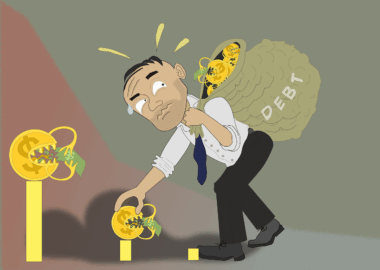
Debt can have profound psychological effects on individuals, leading to stress and anxiety. The ongoing worry about financial obligations often creates a cycle of negative emotions. Many people find themselves becoming withdrawn or isolating themselves from friends and family as they struggle with their financial situation. This isolation can further exacerbate feelings of loneliness and despair. Often, individuals may ignore the signs of their deteriorating mental health because they feel ashamed or embarrassed about their financial situation. As their debt continues to accumulate, so too can their feelings of helplessness. Ignoring these emotional effects can lead to a variety of mental health issues. Chronic stress may manifest as depression or anxiety disorders, impacting everyday functioning. Furthermore, the inability to cope adequately may lead to unhealthy coping mechanisms, including substance abuse. It’s crucial to recognize these signs early and seek help. Addressing psychological problems, alongside financial difficulties, can significantly improve an individual’s outlook. Early intervention is essential in breaking this detrimental cycle. Mental health resources and therapy can provide coping strategies, supporting recovery and ultimately leading to better financial decisions. Remember, acknowledging the issue is the first step towards overcoming it.
Many individuals fail to recognize the direct link between debt and stress. The burden of owing money often leads to persistent feelings of fear and uncertainty. This emotional strain can take a toll on physical health as well, manifesting in insomnia, headaches, and other stress-related disorders. Moreover, chronic stress can lead to decreased productivity and impaired decision-making abilities. As stress levels elevate, so do tension and irritability, impacting relationships with partners, family, and friends. There’s often a stigma surrounding financial trouble, which can lead to a reluctance to discuss these issues openly. This silence can foster feelings of shame and inadequacy, discouraging individuals from seeking assistance. It’s important to understand that experiencing financial difficulties is common, and seeking help is a positive step. Reaching out for debt counseling can offer a safe space to acknowledge financial strains while equipping individuals with strategies to regain control. Effective management of both emotional and financial challenges is essential for leading a healthier life. Understanding the psychological impact of debt is the first step in tackling the associated problems and finding paths to recovery.
Recognizing Signs of Distress
There are several signs that may indicate it’s time to seek debt help. Constant worries about money and the inability to pay bills on time can indicate mounting pressure. Other signs include feeling overwhelmed by obligations or struggling to save for emergencies. Individuals may also experience FOMO, or the fear of missing out, leading to increased spending. Over time, these behaviors can worsen stress levels. Difficulty in concentrating or making decisions can emerge as stress impacts cognitive functions significantly. Additionally, if an individual finds that they are borrowing money to pay off other debts, it constitutes a serious warning sign of potential financial trouble. Social withdrawal and feelings of hopelessness can exacerbate these issues further. Recognizing these signs early can enable individuals to seek necessary help sooner rather than later. Psychological impacts associated with debt should never be overlooked, as they can have lasting consequences. Seeking support from mental health professionals can be beneficial. Combining this with financial advice from experts can help restore balance. Everyone deserves peace of mind, and taking these initial steps can pave the way towards a healthier, debt-free future.
One common psychological effect of debt is the immediate pressure it creates on daily lives. Financial burdens can lead to sleepless nights filled with worry and concern. As debts accumulate, the stress it entails can begin to overshadow other aspects of life. Individuals may find themselves constantly preoccupied with financial thoughts, leading to strained relationships and declining mental health. Anxiety can manifest as physical symptoms, such as muscle tension and fatigue. Escaping from this mental whirlwind often proves difficult, causing individuals to feel trapped. Depressive feelings might follow as a result, creating a cycle that is tough to break. Engaging in activities that promote relaxation and mental clarity becomes essential yet can be difficult for someone overwhelmed. Prolonged exposure to this strain can result in burnout, where individuals feel emotionally and physically exhausted. Seeking professional help can be crucial at this stage. Opening up about struggles not only helps alleviate some weight but also leads to better coping strategies. Mindfulness practices such as meditation or deep breathing exercises can be beneficial in breaking the cycle of stress. Remember, it’s okay to ask for help when the situation feels unmanageable.
Financial Counseling as Support
Understanding the importance of financial counseling can significantly aid in financial recovery. Counseling offers individuals the chance to assess their situations and develop plans toward financial independence. This process also includes setting realistic goals and creating budgets that can breathe new life into stale financial habits. In many cases, financial experts can provide resources or strategies tailored to various situations. By making informed choices, individuals can empower themselves to overcome the feelings of helplessness often associated with debt. Moreover, combining counseling with emotional support can strengthen resilience. Emotional therapists can help individuals tackle underlying issues and fears that may contribute to their debt troubles. Alongside them, financial advisers work to formulate actionable plans for tackling debt while minimizing stress in the process. Engaging with both resources offers a comprehensive approach towards recovery. It’s crucial to remember that debt management is not just about numbers; it involves a holistic understanding of one’s emotions and behaviors. Being proactive will steer individuals toward healthier financial futures, ensuring that adverse psychological impacts can be conquered.
Debt not only affects individuals but can also strain family relationships. As financial uncertainties grow, the stress may spill over into personal lives, increasing tensions among loved ones. Couples may find themselves arguing over money, leading to deeper issues rooted in financial anxiety. Communication often breaks down as partners may feel embarrassed to discuss their financial woes. This silence can create an emotional distance, making it even harder to seek help together. When children are involved, the burden of debt can ripple through the family dynamic, causing feelings of anxiety even in young ones. The impact can manifest as behavioral issues or poor school performance. Families need to engage in open discussions about finances as it fosters an atmosphere where individuals feel supported. Open communication can lead to collective problem-solving approaches, allowing families to address issues together. Furthermore, seeking therapy can be vital in navigating family dynamics while tackling debt. Learning effective communication techniques can empower families to unite in overcoming financial hardships. Together, families can foster resilience, turning their challenges into opportunities for growth.
Conclusion: Take Action Early
In conclusion, recognizing the psychological effects of debt is crucial for individual well-being. Ignoring these challenges only prolongs suffering, leading to severe consequences. Not only can these effects hinder personal growth, but they can also disrupt relationships with family and friends. It’s essential to take proactive measures when signs of distress arise. Early intervention is key. Seeking help through counseling, both for financial management and emotional support, can empower individuals to regain control of their lives. Each step taken towards understanding and addressing both psychological and financial issues can significantly alter one’s trajectory. Building resilience when faced with debt can provide a firm foundation for future financial decisions. Remember that overcoming debt is a journey that requires patience, support, and effort. Individuals should not hesitate to reach out for assistance when needed. By confronting the problem head-on and investing in personal well-being, one can pave the way for a healthier and more fulfilling life. Take action now — your mental health and financial freedom are worth it.
Financial burdens can lead to persistent feelings of fear and uncertainty. This emotional strain can take a toll on physical health as well.