
The Role of Demand and Supply in Inflation
Understanding inflation is essential for grasping economic fluctuations. Inflation occurs when the general price level of goods and services rises over time, reducing purchasing power. Demand-pull inflation happens when consumer demand outstrips supply, leading to higher prices. Conversely, cost-push inflation occurs when the production costs increase. Factors influencing these dynamics include market competition, consumer expectations, and monetary policy. Demand influences prices significantly, as higher demand encourages businesses to raise prices. When demand exceeds supply, sellers can charge more, contributing to inflationary pressures. Various models like the Aggregate Demand and Aggregate Supply model help illustrate these relationships. They show how shifts in demand or supply curves affect price levels. Additionally, inflation can impact interest rates, wages, and savings. For instance, central banks often respond to rising inflation by increasing interest rates to stabilize the economy. This dynamic relationship between inflation, demand, and supply is vital for policymakers. Understanding it helps create effective monetary and fiscal policies, ensuring a stable economic climate conducive to growth. Individuals also face real-time effects, such as reduced purchasing power, altering spending behavior, and investment strategies.
The interplay between demand and supply offers insight into inflationary trends reported worldwide. Various factors shape consumer demand, including income levels, consumer confidence, and market accessibility. As disposable incomes rise, people tend to spend more, boosting demand. This high demand often triggers inflation as businesses struggle to produce enough goods and services to satisfy market needs. Similarly, supply side constraints, such as labor shortages or disruptions in production, can amplify inflation. Additionally, external factors like geopolitical tensions and natural disasters can cause supply chain interruptions, limiting product availability. Such interruptions lead to higher prices for consumers. Policymakers monitor these factors closely to mitigate inflation’s potential detrimental effects on the economy. Tools like interest rate adjustments are commonly utilized to influence borrowing and spending behaviors. When interest rates rise, consumers may reduce spending, which can help control inflation. Conversely, during economic downturns, lower interest rates can stimulate demand, encouraging spending. The balance between demand and supply remains dynamic and complex, significantly impacting inflation levels. Understanding these elements can empower consumers and businesses alike to make informed decisions about finances and investments in fluctuating economic conditions.
Types of Inflation and Their Origins
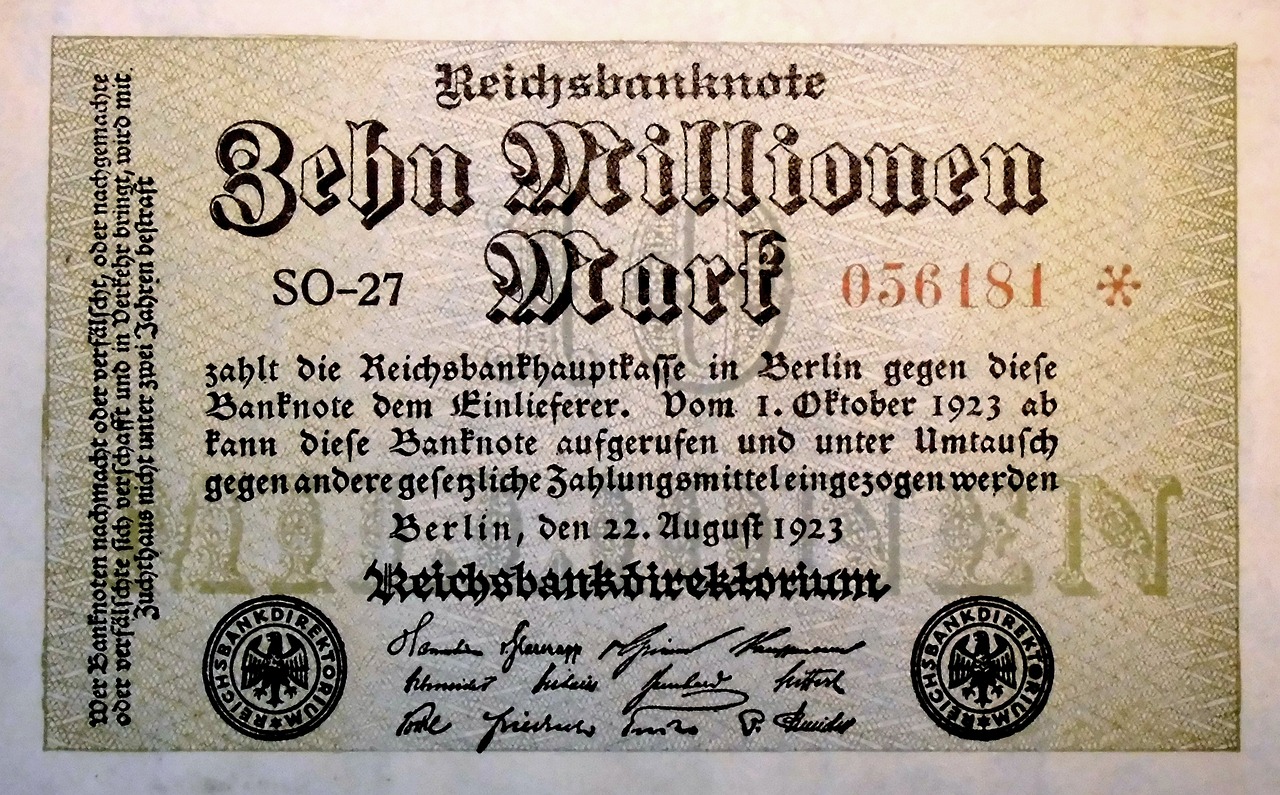
Inflation can be broadly classified into different types, each originating from distinct economic conditions. Demand-pull inflation results from robust consumer demand that surpasses supply capabilities. This demand can stem from various sources, such as increased consumer spending or government expenditures. Another common type, cost-push inflation, occurs when production costs rise, prompting businesses to increase prices to maintain profit margins. Factors such as wage hikes and raw material costs contribute significantly to this phenomenon. Built-in inflation refers to inflation driven by shared expectations about future price increases. As employees expect higher wages to keep up with price increases, businesses adjust prices to absorb those labor costs. Additionally, the concept of hyperinflation, characterized by excessive and rapid inflation, illustrates extreme behavior in a limited economy. Historical examples demonstrate the severe consequences of unmitigated inflation on a nation’s economy. Understanding these different types of inflation can provide valuable insights for policymakers tasked with controlling inflation rates. Employing a combination of techniques, such as demand management and supply enhancement, becomes essential in maintaining inflation within desired parameters to foster economic stability.
Expectations play a crucial role in shaping the dynamics of demand and supply within the context of inflation. When consumers anticipate rising prices, they often hurry to make purchases. This surge in demand leads businesses to raise prices in anticipation of higher operational costs. On the supply side, producers may respond by churning out more products, influencing price levels. For example, if producers expect increased demand for a particular good, they may invest in expanding production capacity. However, this heightened supply can only happen if there are no significant delays or production constraints. The complexity of supply and demand concerning inflation highlights the delicate balancing act that businesses and consumers must perform. Moreover, inflationary expectations can vary by sector, affecting overall economic behaviors. If consumers believe that certain commodities will severely rise, they will prioritize those goods first. In tandem, central banks monitor these expectations to determine appropriate fiscal policies aimed at stabilizing the economy. Quantitative easing or restrictive monetary measures may be implemented based on prevailing inflation expectations. Successfully influencing consumer perceptions while balancing demand can significantly impact inflation’s long-term trajectory and economic health overall.
The Impact of Inflation on Economic Growth
The relationship between inflation and economic growth is intricate and multifaceted. Moderate inflation can indicate a growing economy, reflecting healthy consumer demand. However, when inflation becomes excessive, it can hamper growth. Rising prices erode purchasing power, leading consumers to reduce spending. This contraction can stifle economic expansion, making it essential for policymakers to maintain inflation at manageable levels. Persistent inflation can prompt central banks to impose higher interest rates, further discouraging investment and spending. Conversely, low inflation rates can signify economic stagnation, indicating weak demand. Inflation, therefore, serves as a critical indicator of economic health, giving rise to debates among economists about optimal inflation targets. Striking the right balance can facilitate economic stability. Furthermore, the feedback loop of inflation affecting economic growth manifests in various sectors. Industries heavily reliant on consumer spending, such as retail and services, often bear the brunt of inflationary pressures. In contrast, sectors like real estate may benefit from inflation through property value appreciation. Understanding these nuances is vital for all stakeholders, from government entities to individual investors, to anticipate market shifts and adapt strategies accordingly in the face of inflation fluctuations.
The role of globalization in shaping inflationary trends is becoming increasingly significant. As economies interconnect, shifts in demand and supply can have far-reaching implications. Domestic prices may be influenced by global factors, such as international trade relations and commodity markets. For instance, an increase in demand for a particular good in one country can drive up prices across the globe. Furthermore, supply chain dynamics, including production capacities in different regions, can also affect local inflation rates. Political instability or trade disputes between countries may disrupt supply chains, leading to cost-push inflation. In this interconnected scenario, local economies must stay alert to global developments. Additionally, currencies and exchange rates play a pivotal role in inflationary trends. A nation’s currency strength can impact import costs, affecting supply and demand in domestic markets. For instance, a weakening currency may increase import prices, leading to cost-push inflation in the local economy. Policymakers, businesses, and consumers must consider these global factors while analyzing inflation trends. By understanding the broader economic context, stakeholders can better position themselves for potential market shifts triggered by globalization and international events.
Strategies to Manage Inflation
EFFECTIVELY MANAGING inflation requires a multifaceted approach, emphasizing both demand and supply side measures. Central banks often focus on controlling money supply through interest rate adjustments, influencing consumer and business borrowing. Raising interest rates generally discourages spending and borrowing, which can help reduce inflationary pressures. Additionally, implementing fiscal policies like government spending cuts can mitigate demand-pull inflation. Balancing these economic levers becomes essential to avoid stifling growth. On the supply side, enhancing productivity through technological innovation and improving resource allocation can address cost-push inflation. Governments may support industries to boost production capabilities, easing supply constraints. Furthermore, inflation targeting becomes crucial for effective monetary policy. Central banks set specific inflation rates as benchmarks to measure price stability best. These targets guide their policy decisions, fostering trust among investors and consumers. Additionally, transparency in communicating monetary policy intentions helps manage inflation expectations more effectively. By understanding the interconnectedness of demand and supply-side factors, policymakers can adopt holistic strategies aimed at achieving sustainable economic growth. Staying proactive while monitoring key economic indicators ensures timely interventions, helping clip inflation and protecting overall economic stability in turbulent times.
In summary, understanding inflation’s complexities greatly depends on recognizing the roles of demand and supply. Exploring various aspects such as inflation types, expectations, global implications, and management strategies provides valuable insights. Each segment of the economy, from consumers to policymakers, must understand these dynamics, fostering collaborative efforts to maintain stability. Consumers’ inflation experiences directly shape their spending behavior and investment strategies, while businesses must navigate the challenges posed by inflation to achieve profitability. In doing so, staying informed about inflation drivers and broader economic factors is crucial. As trends evolve continuously, adapting strategies become essential in a volatile marketplace. Engaging in ongoing discussions about inflation and educating the public can enhance awareness and readiness against price volatility. Policymakers must remain vigilant, employing nuanced policies that strike a balance between fostering growth and controlling inflation. Monitoring inflation reflects a broader economic performance, linking various sectors of society in a single economic narrative. Ultimately, by comprehensively understanding inflation’s relationship with broader economic conditions, all stakeholders are better equipped to handle its complexities and work towards achieving long-term financial stability.