
Cross-Jurisdictional Challenges in Digital Currency Regulation
The advent of digital currencies has brought about significant changes in the financial landscape, necessitating the need for comprehensive regulatory frameworks. The rapid evolution of digital currencies such as Bitcoin and Ethereum has raised numerous challenges for regulators across various jurisdictions. Each country typically adopts its own approach to regulation, leading to inconsistencies and complexities in enforcement. As these currencies often transcend borders, the issue of jurisdiction becomes increasingly critical, with multiple authorities potentially claiming oversight. Furthermore, differences in regulatory objectives, such as consumer protection, financial stability, and combating money laundering, complicate the development of cohesive global policies. This fragmentation can create opportunities for regulatory arbitrage, where businesses exploit gaps in regulations to circumvent compliance. International organizations, including the Financial Action Task Force (FATF), are striving to harmonize regulations, but achieving consensus remains a formidable task. Stakeholders, including governments, financial institutions, and technology companies, must work collaboratively to confront these challenges. Only through dialogue and cooperation can regulators ensure a stable and secure environment for digital currency transactions while fostering innovation and growth in the financial sector.
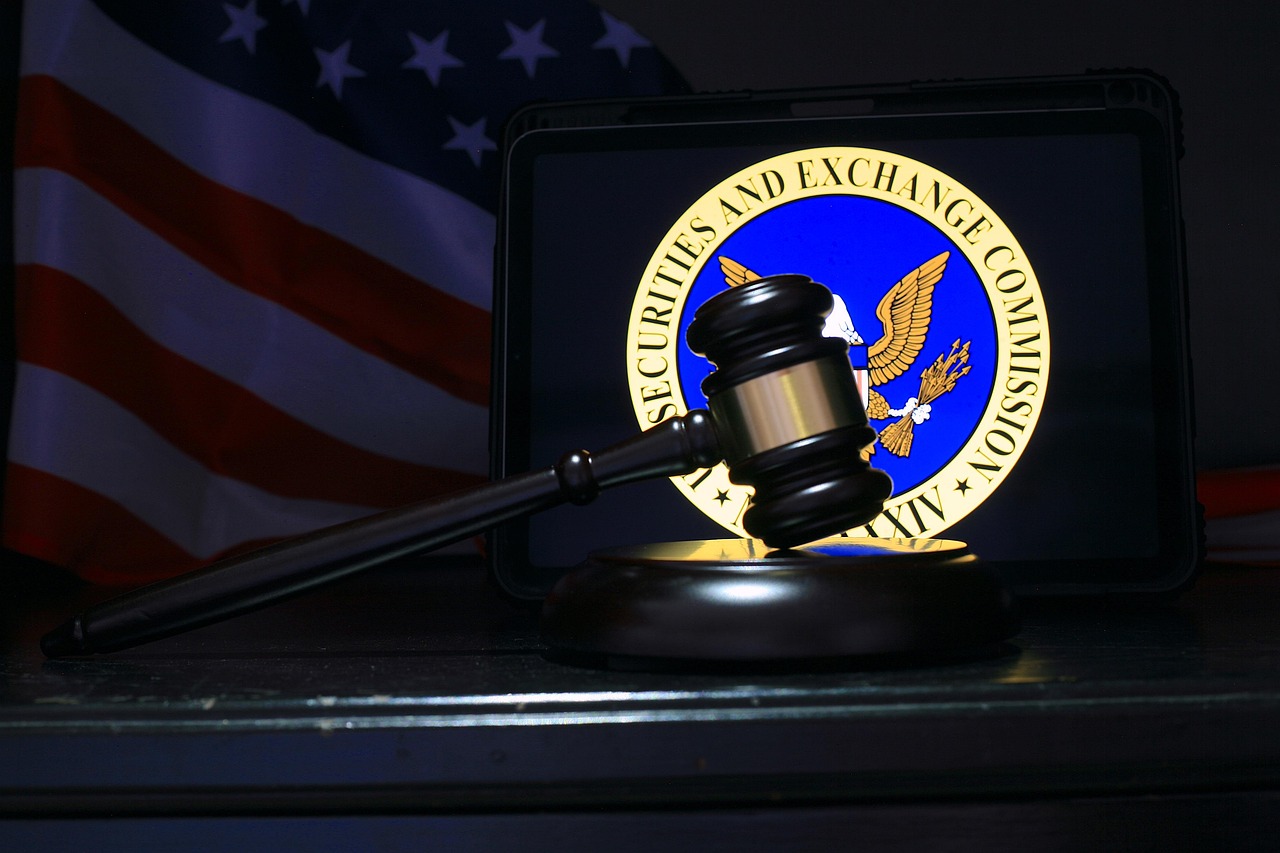
One significant challenge in digital currency regulation is the classification of digital assets. Digital currencies can be classified as commodities, securities, or currencies, depending on the jurisdiction and intended use. The lack of a universally accepted definition exacerbates regulatory discrepancies, as businesses may face different compliance requirements based on their operational regions. For example, the United States Securities and Exchange Commission (SEC) treats many tokens as securities, while the European Union is considering a more regulatory-neutral approach. This ambiguity can hinder the growth of startups and innovations, as businesses may hesitate to launch their products and services without clear regulatory guidance. Moreover, the classification of various tokens often changes over time, leading to uncertainty and challenges in adhering to evolving laws. The question of when a digital asset becomes a security may require continuous legal interpretation. The engagement of legal experts is essential for businesses navigating this landscape. As market participants adapt to differing legal frameworks, comprehensive education and training initiatives will enable stakeholders to remain compliant amidst the shifting dynamics of digital currency regulation.
Tax Implications of Digital Currencies
Tax treatment of digital currencies poses another hurdle for regulators and users alike. Different jurisdictions implement distinct tax policies governing the sale, use, or exchange of digital assets, complicating compliance. In some nations, transactions may trigger capital gains taxes, while others treat cryptocurrencies as currencies, leading to varying tax obligations. For instance, the Internal Revenue Service (IRS) in the United States mandates taxpayers to report cryptocurrency transactions as taxable events, generating concerns for users regarding record-keeping. Additionally, differences in reporting requirements add another layer of complexity for individuals and businesses dealing with multiple currencies. As digital asset usage expands globally, countries must adapt their tax systems to reflect this new reality. The lack of international standards also contributes to the regulatory quagmire, placing a burden on users who must navigate a maze of conflicting tax obligations. Partnerships between tax authorities can help facilitate information exchange and promote compliance. Collaborations with international organizations may lead to more uniform tax guidelines for digital currencies, ultimately simplifying compliance for businesses and enhancing consumer confidence.
Security and privacy concerns are paramount in the regulatory discourse surrounding digital currencies. As these currencies typically operate using decentralized ledger technology, ensuring the protection of user data and transaction details becomes challenging. Regulatory bodies need to balance promoting innovation while concurrently safeguarding consumers from potential risks, including fraud and cyberattacks. High-profile hacking incidents have raised legitimate concerns among regulators regarding the vulnerability of digital platforms, prompting calls for stronger cybersecurity measures. The intersection of privacy and regulation is equally challenging. In jurisdictions where financial institutions must comply with stringent Know Your Customer (KYC) and Anti-Money Laundering (AML) regulations, user privacy may be compromised. Striking an appropriate balance between user privacy and regulatory compliance is essential to foster trust in digital currencies. As incidents of identity theft and hacking proliferate, establishing standardized cybersecurity protocols becomes critical. Collaboration among private and public sectors is necessary to develop best practices and create a secure environment for digital transactions. Regulatory frameworks must evolve to prioritize user protection while enabling the growth of innovative financial solutions in an ever-changing landscape.
Compliance Challenges for International Businesses
Compliance challenges arise as international businesses navigate the complexities of digital currency regulations across multiple jurisdictions. Companies operating in different regions must adapt their practices to ensure adherence to varying compliance obligations, which can be both time-consuming and costly. The evolving nature of regulations may require businesses to continuously monitor new developments, undertake risk assessments, and adjust their operations accordingly. Articulating a clear compliance strategy is essential for organizations wishing to engage in digital currency transactions effectively. Businesses must invest in legal counsel to interpret the regulatory landscape, as well as investing in technology solutions that can automate compliance tasks and maintain accurate records of transactions. Additionally, cross-border transactions can introduce further complications, particularly around taxation and reporting obligations. Many international businesses may inadvertently violate local regulations due to ignorance of the laws in foreign jurisdictions. Conversely, extensive regulatory burdens can hinder operational agility, especially for startups and SMEs. To mitigate risks, organizations should embrace a proactive approach to compliance, fostering an organizational culture centered around regulatory awareness and accountability in order to thrive in a multifaceted global environment.
The role of international organizations in shaping digital currency regulation cannot be overstated. Institutions such as the International Monetary Fund (IMF) and Bank for International Settlements (BIS) are working diligently to create frameworks that promote both innovation and stability. Their involvement provides guidance and facilitates cooperation among member countries in developing coherent regulatory frameworks. However, harmonizing regulations remains a herculean task, as varying economic conditions, political landscapes, and cultural factors come into play. Many nations may prioritize protecting their domestic financial systems over collaborating with international counterparts. This divergence can lead to tension among regulatory bodies and impede efforts to create universally accepted standards. Efforts by international organizations must not only focus on establishing uniform regulations but also on fostering dialogue between regulators and industry stakeholders. Conferences, workshops, and joint research initiatives can help bridge the gap, enhancing understanding of digital currencies among regulators. Institutional collaboration is essential for creating an environment in which digital currencies can flourish while remaining compliant with international standards, ultimately facilitating global financial stability and economic development.
The Future of Digital Currency Regulation
Looking ahead, the future of digital currency regulation appears promising yet fraught with challenges that require proactive adaptation by global regulators. As innovations such as Central Bank Digital Currencies (CBDCs) gain traction, the regulatory landscape will inevitably continue to evolve. Regulators need to prioritize continuous learning and agility to adapt to this dynamic environment. Technological advancements empower regulators to enhance their capabilities in monitoring and enforcing compliance. Using advanced analytics and artificial intelligence can improve assessment and response to potential risks associated with digital currencies. Furthermore, regulators must actively engage with industry players to stay abreast of emerging trends, while fostering a climate of trust. This includes cultivating a collaborative atmosphere where businesses contribute to the formation of future regulations. Fostering innovation while ensuring user protection must become a core principle of any regulatory framework. As the global market for digital currencies continues to mature, ongoing dialogues among various stakeholders, including governments, businesses, and consumers, will be paramount to developing effective regulatory frameworks, ultimately enabling a secure and prosperous digital economy.
The potential economic implications of digital currency regulation are vast, affecting various sectors and stakeholders. As governments attempt to implement more rigorous regulatory frameworks, the impact on innovation and economic growth must be carefully considered. Excessive regulation may stifle the development of new business models and technological advancements. Striking a balance between regulation and innovation is vital for fostering a robust ecosystem that encourages entrepreneurial endeavors while protecting consumer interests. Moreover, the complex interplay between digital currencies and traditional financial systems will necessitate collaborative efforts from both sectors. The seamless integration of digital currencies into existing financial systems can create efficiencies and reduce costs, but it also requires understanding the differing regulatory environments that govern them. Global trade may witness substantial transformations as businesses adapt to digital currencies for cross-border transactions, potentially lowering transaction costs and increasing speed. Policymakers must contemplate the long-term implications of digital currencies on monetary policies, banking systems, and global economic stability. Ultimately, collaborative efforts among diverse stakeholders are essential to chart a sustainable and innovative future for digital currency regulation, ensuring it supports economic growth while managing risks effectively.