
How to Use Street Art as a Guerrilla Marketing Tool
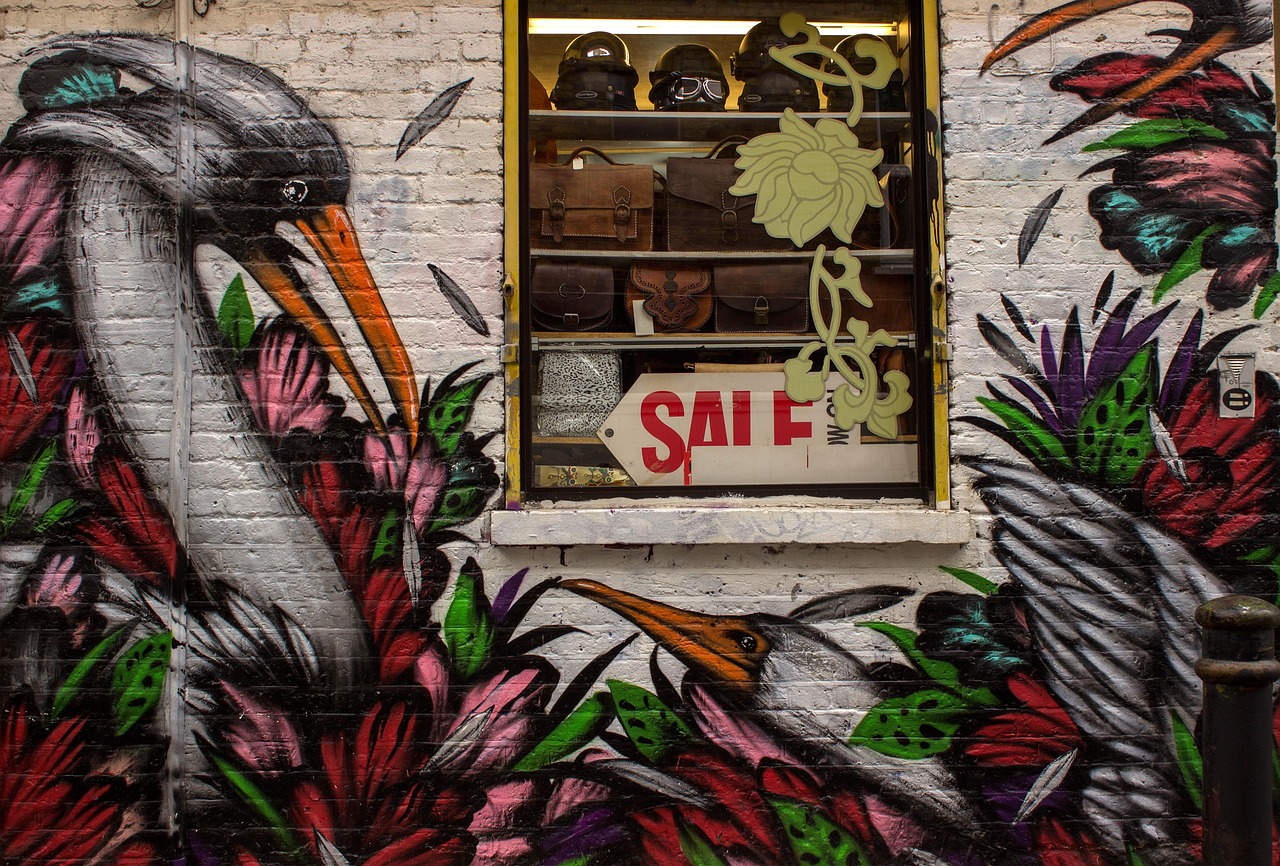
Street art provides an incredible platform for guerrilla marketing, enabling brands to create impactful visual messages that engage audiences in unique ways. Artists use public spaces to express identity, provoke thought, and initiate conversation. By leveraging street art, brands can tap into local cultures, customs, and movements that resonate deeply with communities. Here are a few effective strategies for using street art in guerrilla marketing: 1. Collaborate with local artists to create bespoke murals that embody your brand’s message. 2. Organize street art competitions to attract participation and create buzz around your brand. 3. Incorporate augmented reality into your street art to create an interactive experience that captivates viewers. 4. Use bold, eye-catching designs and colors to stand out in urban environments. Street art should reflect authenticity and a genuine connection to the community, allowing the brand to engage its audience in meaningful ways, stimulating discussions and generating social media visibility. Ultimately, when done thoughtfully, street art can bridge the gap between commercialism and artistry, fostering a beautiful dialogue between the city, the artist, and the audience.
Choosing the Right Location for Maximum Impact
The location of your street art is crucial in making a significant impact. It should be placed in areas where foot traffic is high, and the audience is most relevant to your target market. This could include: 1. Busy districts, where consumers frequently walk and engage with art daily. 2. College campuses, where students are more open to new trends and ideas. 3. Local events or festivals, which attract crowds seeking fresh experiences. Additionally, select locations that have a strong aesthetic appeal, as this can boost the chances of the art being shared on social media platforms. Ensure that your art follows local regulations and respects existing community guidelines. Be mindful of the community’s sentiments towards street art, as this can influence reception and engagement. Using a combination of digital marketing methods, such as geotagged social media posts, can amplify engagement. Brand authenticity is paramount; ensure that your message aligns with the location’s ambiance, community characteristics, and cultural vibe. When executed effectively, the street art will not only promote your brand but also enrich the local environment.
Engaging the Audience Through Interactive Elements
Another compelling approach to utilizing street art in guerrilla marketing is incorporating interactive elements that engage your audience directly. Creating a participatory experience fosters a deeper connection and involvement with your brand. Here are some suggestions to enhance interactivity: 1. Include QR codes that reference your website or social media pages, encouraging viewers to learn more. 2. Design art that invites interaction, such as spaces for audience feedback or collaboration. 3. Host workshops in urban areas where people can contribute or create art alongside professionals. 4. Organize photo opportunities by designing memorable backdrops that encourage social sharing. These interactive features spark curiosity and connection, leading to increased social media shares and engagement as individuals are incentivized to post their experiences. Create campaigns that encourage hashtags or challenges tied to the street art piece, elevating visibility and interaction. By ensuring that your audience feels included in the artistic process, you enhance ownership and relatability to the message being portrayed, contributing to the overall success of this guerrilla marketing strategy.
Using Social Media to Amplify Street Art Campaigns
Social media can significantly amplify the impact and reach of your street art campaigns. It provides a powerful platform for sharing and promoting your guerrilla marketing efforts to a wider audience. Begin by documenting the process, from concept development to the creation of the artwork, and share this journey on platforms like Instagram and TikTok. Create engaging content that highlights the art and includes elements such as time-lapses, interviews with artists, and behind-the-scenes footage. Consider launching a dedicated hashtag for your campaign that encourages viewers to share their experiences or photos when they encounter your street art. Promote photo contests where participants upload images influenced by the street art, offering rewards to winners. Collaborate with social media influencers who resonate with your brand to broaden your outreach. Ensure your messages are aligned and truly reflect both the art and the brand ethos. By strategically utilizing social media, you can create a comprehensive campaign that not only generates interest in your brand but also fosters community engagement and conversation.
Building Authentic Connections Through Storytelling
Successful guerrilla marketing often relies on storytelling to build authentic connections between the brand and the audience. Street art provides a unique medium for sharing compelling narratives. Consider incorporating the following elements into your street art campaign: 1. Present stories that reflect local history or culture, making the art relatable. 2. Use artwork to shine a light on social issues, sparking conversation and advocacy around your brand. 3. Create a narrative arc that encourages viewers to connect emotionally with the art and message. 4. Ensure that the messages are in harmony with your overall marketing strategy, enhancing brand relevance. To deepen engagement, host community discussions or events around the themes presented in the artwork. Encourage locals to share their interpretations, fostering a greater sense of ownership and pride in the project. By weaving narratives through your street art that resonate with the community, you not only create powerful visuals but also establish meaningful dialogue that can strengthen brand loyalty and drive engagement.
Measuring Success and Adjusting Strategies
After the completion of your street art project, it is crucial to measure the success of your guerrilla marketing efforts and adjust your strategy accordingly. This involves analyzing various metrics such as: 1. Engagement rates on social media, including likes, comments, and shares. 2. Traffic to your website and social media pages attributed to the street art initiative. 3. Audience feedback from surveys or on-site engagement that indicates reception. 4. The number of branded hashtags used and the overall sentiment expressed towards the art. By gathering feedback and performance data, you can identify what resonated well with the audience and what didn’t. Use this information to adapt future campaigns, optimizing elements such as location, message, and artistic style. Continuously engaging with the community post-campaign fosters relationship building, enhancing brand perception. Staying adaptive and responsive to audience feedback allows your brand to remain relevant and connected to the community, ensuring ongoing success with guerrilla marketing initiatives. Ultimately, measuring it enables brands to evaluate impact and fine-tune their strategies effectively.
Conclusion: The Future of Guerrilla Marketing with Street Art
As we move toward a more urban-focused future, street art continues to offer immense potential for guerrilla marketing. Its capacity to capture attention, engage audiences, and foster community interaction is unparalleled in the realm of advertising. Brands should continually look for innovative ways to bridge art and marketing, ensuring campaigns resonate with prevailing cultural dynamics. The rise of sustainable practices in street art, where artists use eco-friendly materials and approaches, speaks to a growing conscious consumer base. This shift emphasizes transparency and authenticity, aligning brand values with consumer expectations. Moreover, emerging technologies such as augmented and virtual reality provide uncharted territory for creative brand representation within street environments. In conclusion, the future of guerrilla marketing through street art entails embracing community partnerships, innovative storytelling, and adapting to current trends. By making street art a dialogue rather than a monologue, brands can foster authenticity, build long-lasting relationships with audiences, and leave a positive imprint on the communities that inspire their narratives. This approach encapsulates the essence of modern marketing, where art and brands coexist harmoniously.
The Role of Street Art in Urban Culture and Identity
Street art is not just graffiti; it embodies a vibrant expression of culture and identity through creativity. By leveraging this powerful medium in guerrilla marketing, brands can tap into collective sentiments, capturing the hearts of their audience. It is essential for brands to recognize and respect the inherent value of street art, which often reflects the socio-political landscape and local narratives. Artist collaborations should transcend simple transactions, aspiring towards shared stories that resonate with community values while communicating brand messages. Understanding the role of street art in urban culture can elevate a brand’s authenticity, creating memorable campaigns that prioritize meaning over mere visual appeal. Use colored palettes and artistic skills that resonate with the community’s aesthetics. Engaging with the local artists can unlock deeper layers of meaning, unveiling hidden narratives that contribute to the urban tapestry. In this way, brands can employ street art to voice not only their vision but also the stories of those around them. The intersection of art and commerce, when treated with respect and creativity, can offer profound insights into social identity and local culture.