
Risk Management Techniques in International Trade Consultancy
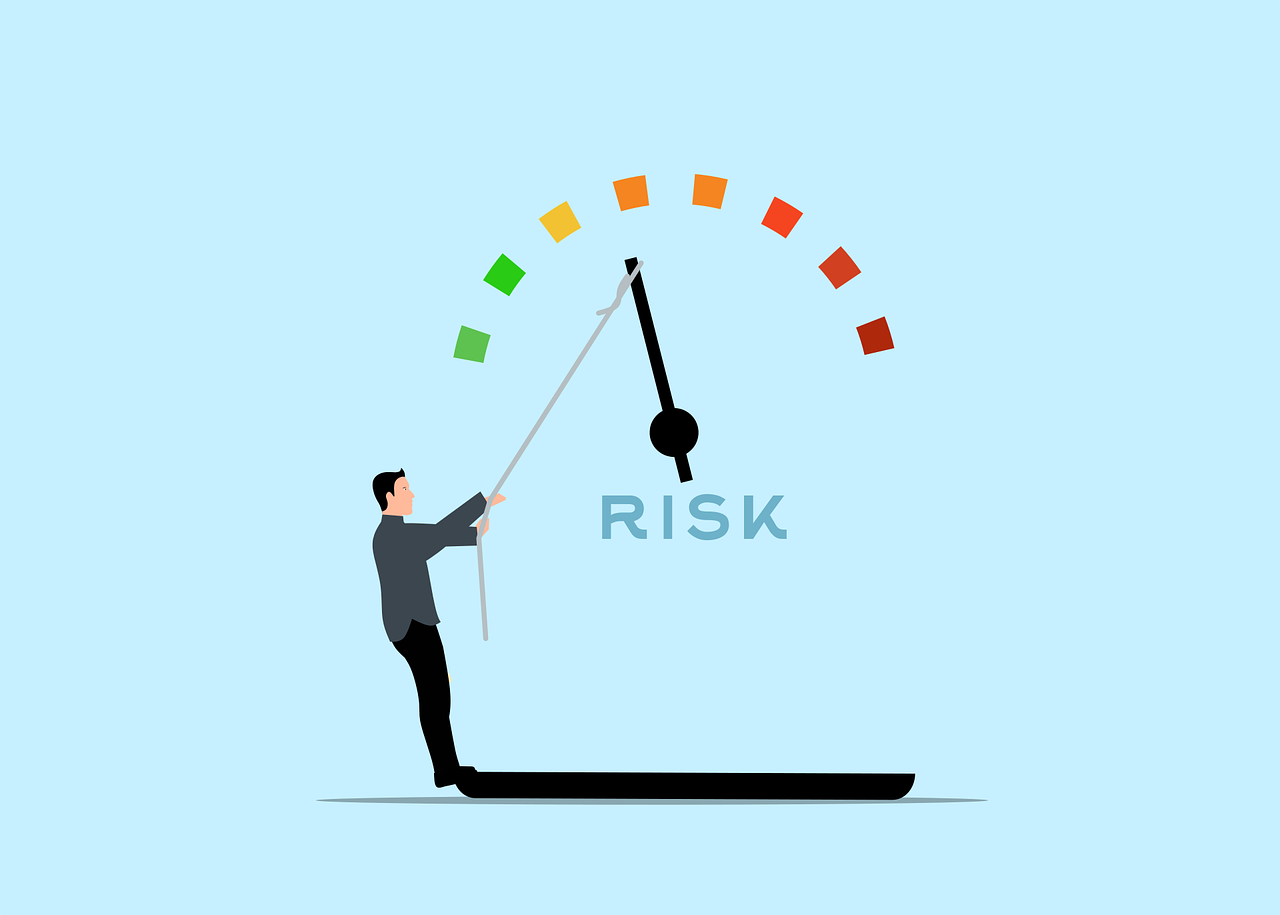
International trade consultancy requires adept risk management techniques to navigate various challenges. One effective method is establishing a robust compliance program to ensure adherence to international regulations and standards. This program should include regular audits and assessments to identify potential discrepancies in operations. Training employees on compliance issues is vital for fostering an understanding of the importance of regulations. Another technique involves the use of technology to mitigate risks effectively. Implementing software solutions can streamline processes and enhance data accuracy, reducing the likelihood of errors. Additionally, maintaining a comprehensive insurance policy is crucial for covering goods in transit and potential liabilities. Insurers can provide tailored plans that address specific trade risks, ensuring peace of mind for trading partners. Furthermore, establishing strong relationships with reliable suppliers and logistics providers can reduce risks related to supply chain disruptions. Continuous monitoring of geopolitical events is essential as they can impact trade operations. By employing these risk management techniques, consultants can position their clients to thrive in the competitive international market.
Market analysis plays a significant role in risk management for international trade consultancy. Conducting in-depth market research helps consultants identify potential opportunities and threats in foreign markets. Techniques such as SWOT analysis can be beneficial for assessing the strengths, weaknesses, opportunities, and threats related to trading in specific regions. Furthermore, understanding currency fluctuations is essential for pricing strategies, as exchange rates can significantly influence profitability. Using financial instruments, such as forward contracts or options, can hedge against these currency risks. Also, consultants should advise clients to diversify their market presence. Relying on several markets reduces dependence on a single economy, spreading risks related to economic downturns or political instability. Establishing contingency plans is another vital technique. These plans outline the steps to take in emergencies, ensuring that clients can respond swiftly to unforeseen challenges. Effective communication with stakeholders ensures everyone is informed and aligned during crises, minimizing confusion. By implementing these strategies, trade consultants can support their clients in navigating risks more effectively, leading to successful international operations.
Financial Risk Management Strategies
Financial risk management strategies are essential for international trade consultancy. Market volatility and unexpected changes can pose significant financial threats to companies. Utilizing contingency budgeting can help manage these financial uncertainties. Clients should prepare for different currency scenarios by having reserve funds or flexible payment terms. Creating a cash flow forecast allows businesses to anticipate future revenue and expenses, making it easier to address potential breaches. Employing political risk insurance can further enhance financial security. This type of insurance protects businesses against risks stemming from political instability, including expropriation or war. Besides this, encouraging clients to explore trade agreements is vital for risk reduction. These agreements can provide favorable terms that minimize the impact of trade barriers and tariffs. Monitoring trade policies and international regulations helps companies stay ahead, allowing for proactive adjustments to their operations. Consulting with financial experts can also bring valuable insights into risk management. They can guide businesses in developing strategies tailored to their specific industry and market situation, which supports sustainability in the competitive landscape of international trade.
Import and export documentation management forms a critical component of risk management. Incorrect or missing paperwork can lead to delays, fines, or even legal issues, severely impacting operations. It is essential for consultants to assist their clients in tracking deadlines and requirements effectively. Developing a checklist for necessary documents can simplify processes, ensuring nothing gets overlooked. Additionally, adopting electronic documentation solutions can enhance accuracy and streamline workflows. This transition reduces the chances of human error and facilitates rapid information exchange. Equally important is securing reliable shipping and logistics partners. Conducting thorough due diligence and establishing clear contracts with these service providers minimizes potential gaps in service that could lead to major disruptions. Another recommendation is to implement end-to-end supply chain visibility solutions. These tools allow businesses to monitor and manage the movement of goods throughout the supply chain, enhancing responsiveness to any disruptions. Upgrading to real-time tracking technologies enables timely decision-making based on accurate information. Collaborating closely with partners helps maintain smooth operations even when external factors threaten efficiency.
Legal Risk Assessment Techniques
Legal risk assessment techniques form an indispensable aspect of risk management in international trade consultancy. Consultants must educate clients about the importance of compliance with local and international laws. This includes understanding intellectual property regulations, tariffs, and import/export restrictions. Conducting regular legal audits ensures that businesses are fully compliant with applicable laws, which helps mitigate potential risks. Establishing relationships with local legal experts in target markets is prudent as they can provide insights into legal frameworks and potential pitfalls. Additionally, businesses should implement proper training programs for employees involved in international trade to raise awareness regarding legal compliance. Maintaining clear contracts with vendors and customers further safeguards against legal disputes. These contracts should explicitly outline terms of service, payment conditions, and dispute resolution protocols. Using alternative dispute resolution (ADR) methods can facilitate quicker resolutions compared to traditional litigation processes. As trade regulations evolve, it is essential for consultants to stay informed about legal changes that may affect their clients. By following these practices, trade consultants can ensure their clients operate within legal confines, thus reducing potential legal ramifications.
Risk management in international trade consultancy also involves understanding cultural risks. Consultants need to recognize that different cultures have distinct business practices and communication styles, which can impact negotiations and partnerships. Training employees on cultural sensitivity is crucial to mitigating misunderstandings in diverse markets. Conducting cross-cultural training sessions can help staff adapt their approaches when dealing with foreign clients. Furthermore, seeking local partners or joint ventures can provide businesses with valuable cultural insights. These partnerships can enhance access to local networks, facilitating smoother operations. Engaging with cultural consultants can also provide expertise and strategies tailored to specific regions. In addition, it’s important for businesses to be aware of consumer behavior differences across markets. Tailored marketing strategies can ensure that products and services meet local expectations, enhancing customer satisfaction. Legal ramifications can also be influenced by cultural norms, affecting contract enforceability. Acknowledging these nuances will enable companies to adapt their market strategies effectively. By incorporating cultural risk assessment, international trade consultants can position their clients for success in generating sustainable relationships in the global market.
Mitigating Operational Risks
Operational risks pose significant challenges for firms engaged in international trade. Identifying critical operational vulnerabilities is the first step toward mitigating these risks. This requires detailed risk assessments to pinpoint potential areas of failure. Consultants should enhance internal processes through workflow analysis, identifying bottlenecks and inefficiencies that could disrupt trade operations. Implementing strong quality control measures can help reduce operational risks linked to product quality. Regular checks and balances ensure that products meet international quality standards, preventing costly returns and reputational damage. In addition, maintaining a strategic inventory management system helps buffer against supply chain disruptions. Accurate forecasting and data analysis allow companies to predict demand fluctuations effectively. Companies should also prioritize workforce training, ensuring that employees possess the skills necessary to handle various aspects of international trade. This aids in maintaining operational resilience. Developing robust IT systems safeguards against cyber threats that could compromise data integrity. Lastly, establishing clear communication channels within the organization enhances responsiveness to operational challenges. By adopting comprehensive measures to address these risks, consultants can empower their clients to navigate the complexities of global trade more confidently.
Finally, creating a risk management culture in organizations is essential for long-term success in international trade. This culture promotes awareness among employees about the importance of identifying and addressing risks proactively. Engaging employees through training and workshops can significantly enhance their understanding of risk factors. When employees are encouraged to report potential issues, it fosters a sense of ownership in managing risks. Developing key performance indicators (KPIs) related to risks can facilitate monitoring and evaluation of risk management efforts. Additionally, establishing a designated risk management committee can ensure that risks are consistently addressed at all organizational levels. This committee can also provide guidance and support for developing strategies that align with business objectives. By integrating risk management practices into everyday operations, organizations can develop resilience against unforeseen challenges. Effective risk communication is key; it helps disseminate relevant information about potential threats throughout the organization. Ultimately, an organizational culture that prioritizes risk management can enhance decision-making processes and promote sustainable growth. By implementing these techniques, consultants can drive client success in the dynamic landscape of international trade.